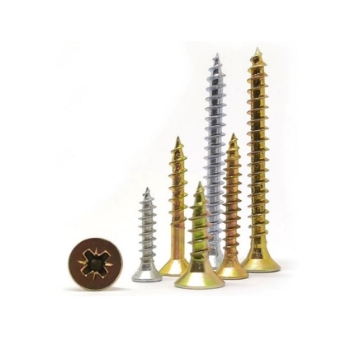
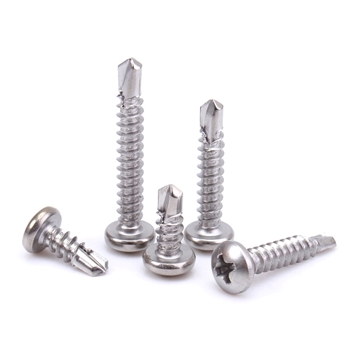
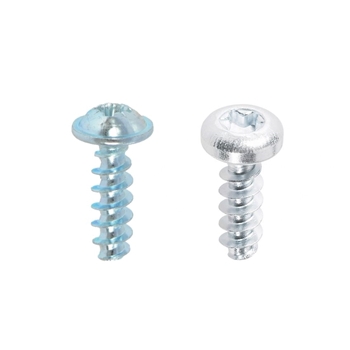
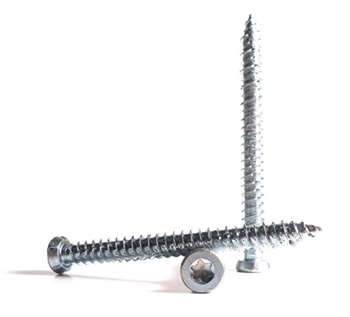











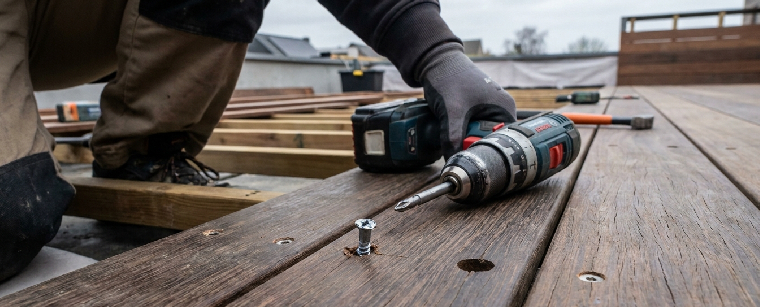
Why do screws break in hardwood? Hardwoods such as bankirai, ipé, padouk, and azobé require a different approach than standard spruce or plywood. Many DIYers and professionals use screws that are too thin, drive without pre-drilling, or choose the wrong coating. The result: breaking screws, damaged boards, and extra work. In this guide, you will discover why this happens and how to prevent it with the right technique and fasteners.
Why screws break in hardwood
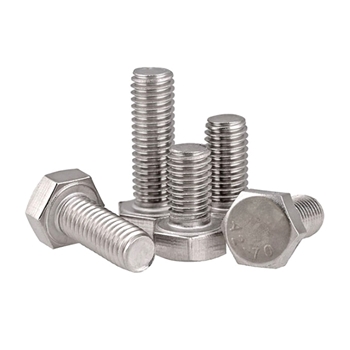
View the range of fasteners: Bolts & screws at DHZ-Proshop .
Hardwood has an extremely high density. Without pre-drilling, enormous stress builds up on the screw during insertion. Especially with thin screws, the core often breaks off just below the head.
Cheap galvanized screws are usually too brittle for tropical hardwood. Always use stainless steel A2 or A4 screws with a reinforced core and Torx drive for higher torque.
An impact driver or drill with excessive torque can literally twist the screw until it breaks. This happens quickly, especially with long screws in dry hardwood.
Outdoor structures in Belgium are exposed to rain, moisture, and temperature fluctuations. Ordinary galvanized screws corrode faster and lose strength. This increases the risk of breakage.
Which screws work best in hardwood?
For outdoor use in Belgian weather conditions, stainless steel A4 screws are the safest choice. They are more resistant to moisture, tannic acids, and corrosion than standard galvanized variants.
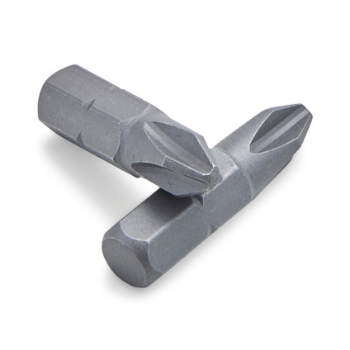
Torx distributes force better than Pozidriv or Phillips. As a result, the bit slips less easily and less torque is applied to the screw core.
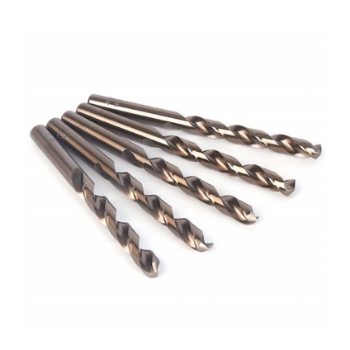
Pre-drilling reduces tension in the wood as well as on the screw. Use a drill bit that is slightly narrower than the screw core so that the thread retains sufficient grip.
Screws that are too long require more force to drive in. For decking boards, a length of 2 to 2.5 times the board thickness is usually sufficient.
Step-by-step plan to prevent screw breakage
- Choose the right screw first: For outdoor hardwood constructions, always use stainless steel A2 or A4 screws with a Torx head. Avoid cheap universal screws.
- Always pre-drill: Pre-drilling is essential, especially for ipé, padouk, and azobé. Use a sharp wood drill bit for a clean hole without burning.
- Use a high-quality bit: Worn bits cause slippage and extra torque on the screw head. This increases the risk of breakage.
- Work at a controlled speed: Let the machine do the work. Screwing in at full throttle increases heat and stress in the screw.
- Avoid applying too much force at the end: As soon as the head hits the wood, slow down the machine. The final stretch usually causes the break.
- Use lubricant on extremely hard wood: A little screw wax or dry soap reduces resistance during screwing.
Frequently Asked Questions
Do I always need to pre-drill in hardwood?
Which screws are best for hardwood decking?
Why does the screw break just below the head?
Can I use galvanized screws outdoors?
Which bit is best to use for hardwood screws?
What happens if I don't pre-drill?
Posted by the fastening experts at DHZ-Proshop , a specialist in screws, plugs, anchors, and professional fastening materials for tradesmen and DIYers in Belgium and the Netherlands. Looking for the right screw for hardwood? View the full range via DHZ-Proshop fasteners .