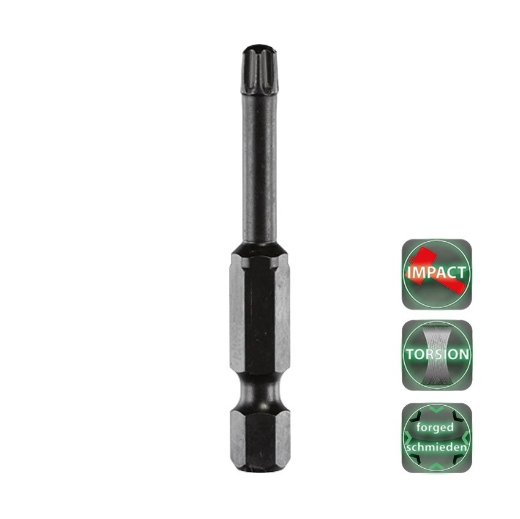
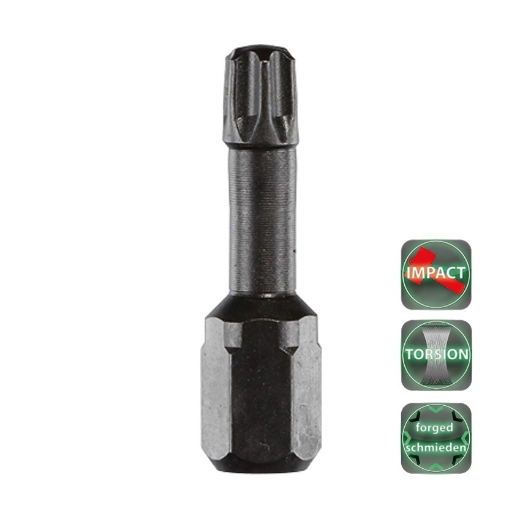
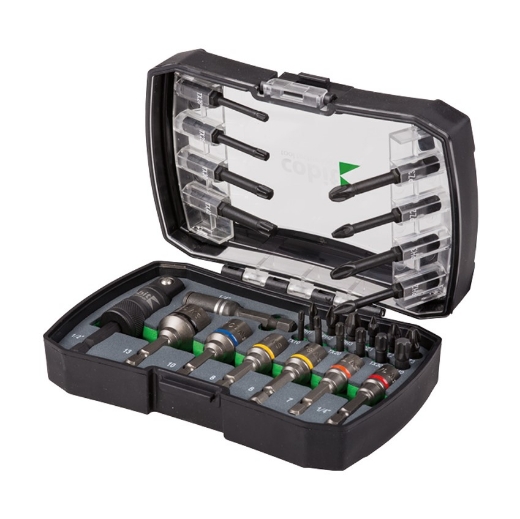
How do you spot a slipping bit before your screw is ruined? (Phillips, Pozidriv, Torx and hex)
A bit usually starts slipping before it fully damages your screw head. The main warning signs are: loss of grip, visible wear on the bit tip, and a bit that begins to "walk" or shows cam-out under pressure. With Phillips heads in particular, this risk is greater than with Pozidriv, Torx or hex drives.
Spot slipping bits before your screw is ruined. In this guide you'll learn the early warning signs, quick test methods and when to replace bits to prevent costly screw damage. With practical tips and internal links to the DHZ-Proshop bit range.
Why do bits start to slip?
A bit slips when its geometry no longer matches the screw recess well enough to transfer torque cleanly. This can happen because the bit is worn, the screw head is damaged, the bit size is wrong, the angle is off, or the drive type itself promotes cam-out.
The role of drive types
- Phillips: Designed to cam-out under overload, which can be handy but is prone to slipping
- Pozidriv: Better contact thanks to extra ribs, less cam-out risk than Phillips
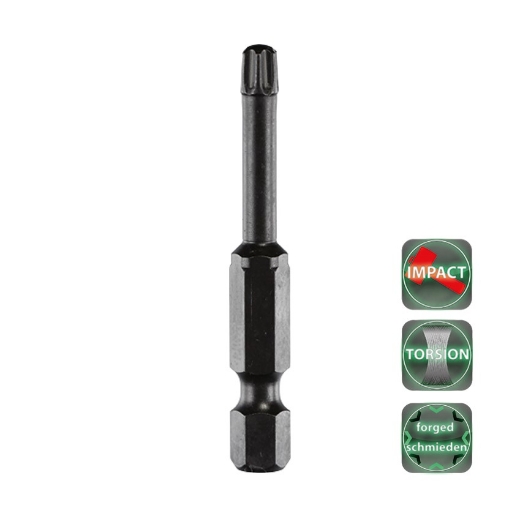
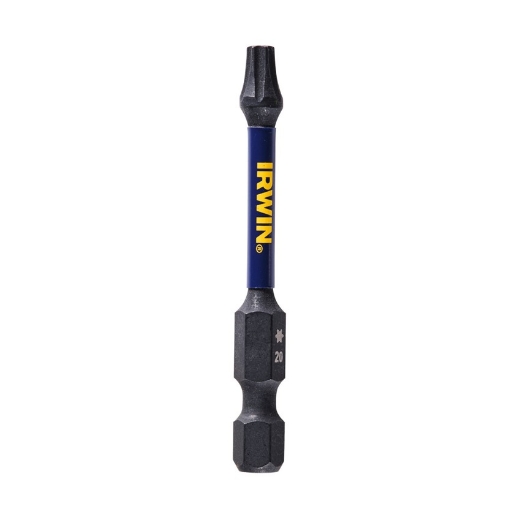
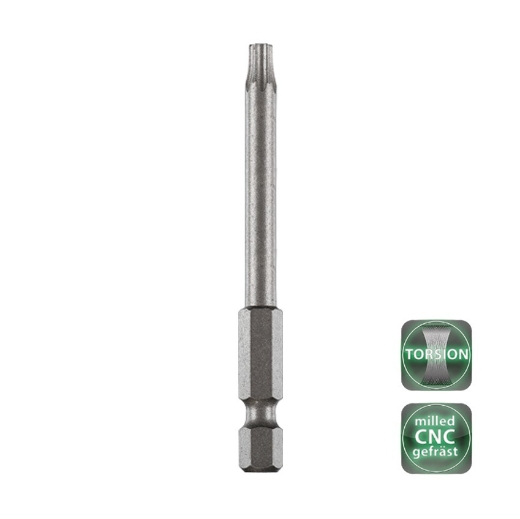
- Torx: Star-shaped recess with a large contact area, highly slip-resistant
- Hex: Simple but effective shape, good for high-torque applications
The practical upshot is that slipping is not always "user error". Sometimes the tool is warning you that the bit's edges have rounded off, the tip is deformed, or the recess is being overloaded. A bit often fails gradually before it fails completely, and that early stage is where you can still save the screw.
Early warning signs of a worn bit
The first warning is a change in feel. A healthy bit grips with a positive, firm bite, whereas a worn bit feels vague, shallow or slightly loose in the recess. That "not quite right" feeling is often the earliest sign that cam-out is on its way.
The 5 key signs
- Change in grip feel: The bit feels looser, as if it's sitting on the screw rather than locked into it
- Visible rounding: The sharp corners or flanks of the bit tip look softened, broken away or deformed
- Increasing pressure needed: You have to push harder than before to keep the bit locked in
- "Squeak and skip" moment: The bit starts to rattle, hop or slide across the screw head, especially on the final turns
- Repeated stripping marks: The bit regularly leaves polished, shiny wear marks on screw heads
Each of these signs means the contact area is shrinking and the bit needs more force to hold the screw head. Even minor damage can matter, because torque transfer depends on sharp edges, not just on the overall shape.
How do you quickly test a bit for wear?
With these three quick tests you'll know straight away whether a bit is still reliable or needs replacing.
Test 1: Hand-fit check
Insert the bit into a matching screw head and check whether it sits deep and evenly without wobbling. If it wobbles back and forth or bottoms out too early, the bit is probably worn or the size is wrong.
Test 2: Pressure test under normal force
If the bit only stays locked in when you push unusually hard, the fit margin has gone. That's a bad sign, because real working conditions are rarely perfectly aligned, and any extra angle or vibration will make a marginal bit slip sooner.
Test 3: Comparison with a new bit
Compare the suspect bit with a fresh bit of the same size and type. If the new bit feels noticeably more secure straight away, the old one was already heading for replacement. This is especially useful with frequently used sizes such as PH2, PZ2 and common Torx drives, where wear can creep in slowly.
Bit type makes a difference: Phillips, Pozidriv, Torx or hex?
Some screw systems are simply more forgiving than others. Choosing the right type is the first defence against slipping.
| Drive type | Slip sensitivity | Best application |
|---|---|---|
| Phillips (PH) | High - designed for cam-out | Light applications, where cam-out is desirable |
| Pozidriv (PZ) | Medium - better contact than PH | General construction, woodworking, furniture |
| Torx (T/TX) | Low - excellent grip | High torque, precision work, professional use |
| Hex | Low - simple but effective shape | Bolts, heavy-duty fasteners, industrial applications |
This means the "bit about to slip" problem is sometimes really a "wrong drive system" problem. A Phillips bit in a Pozidriv head appears to fit but often grips less securely than a genuine Pozidriv bit, whereas Torx and hex are typically more stable for high-torque fasteners.
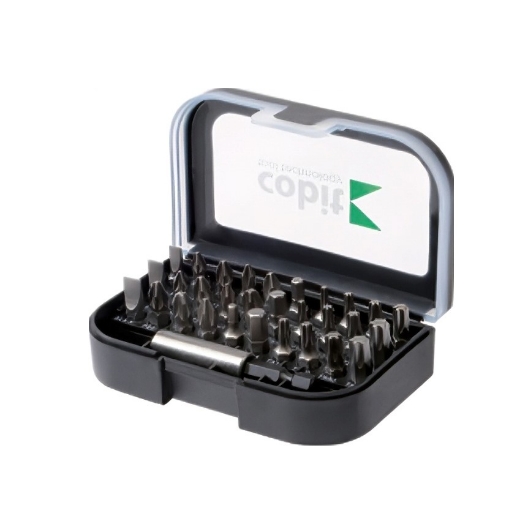
View our bit range for the right match between bit and screw.
When should you replace a bit?
Replace the bit if it repeatedly slips in a screw that should turn easily. Replace it if the tip looks rounded, broken off, bent or twisted. Replace it if it suddenly needs much more force to stay locked in than before.
Also replace if:
- The bit leaves fresh damage on multiple screws
- The bit regularly breaks during use
- You notice you keep having to push harder for the same result
- The bit shows visible rust or corrosion
For heavy use it's wise to treat bits as consumables, not as lifelong tools. The cost of a fresh bit is minimal compared with the time lost removing stripped screws or replacing damaged hardware.
Practical tips to prevent screw damage
- Stop at the first sign of grip loss: Don't force on if the bit starts to cam-out; repeated slipping removes metal from the screw head
- Choose the right size first, then the right type: A perfect-size, wrong-type bit is still a compromise
- Keep downward pressure constant: Reduce speed as the screw tightens, especially with Phillips heads
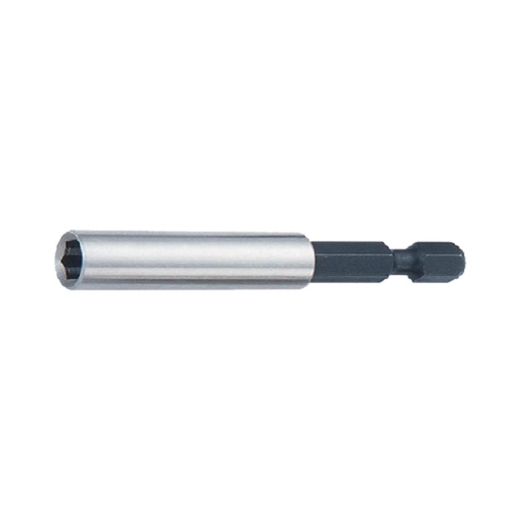
- Use bits with a magnetic holder: This helps keep the bit centred and reduces wobble
- Clean and store: Keep bits clean and dry to prevent rust and premature wear
View our bit range for professional-quality bits that last longer and offer better grip.
Frequently asked questions about bits and wear
How do I recognise whether a bit is worn?
Why does my Phillips bit slip more often than my Torx bit?
How long do bits last on average?
Can I still use a worn bit?
Which bit size do I need for my screw?
Why does my bit break during use?
Posted by the tool specialist at DHZ-Proshop, your partner for professional bits, bit sets and fastening tools. Webshop available 24/7 and collection point in Beerse. Questions about bits or screw technique? Contact our team or view our full bit range.