Prevent Nail Gun Jams Before They Happen
A nail gun usually gives warning signs before it jams: slower feeding, unusual noise, incomplete drives, crooked fasteners, or the need to nudge the magazine more often. Stop as soon as you notice these signs and inspect the tool to prevent a jam.
Prevent nail gun jams before they happen. In this guide you'll learn why guns jam, how to select the right fasteners, and how to keep the magazine running smoothly for reliable performance. With internal links to Hewitool staples, brads & nails at DHZ-Proshop.
Why do nail guns jam?
Most jams come down to a handful of predictable problems. The fasteners may be the wrong type, the magazine may be loaded incorrectly, the tool may be dirty, the air pressure may be set wrong, or one of the feed components may be worn or damaged.
The fasteners themselves
The fasteners are often where it starts. If they're bent, deformed, damaged, or not matched to the tool's angle or collation type, they can no longer feed correctly and will cause a jam. That's why getting the fastener spec right matters as much as the gun itself.
Dust and debris
Sawdust and workshop grime build up in the magazine, around the nose, and inside moving parts, which slows the feed system and gives the next fastener a better chance of jamming.
The wrong fasteners are a leading cause
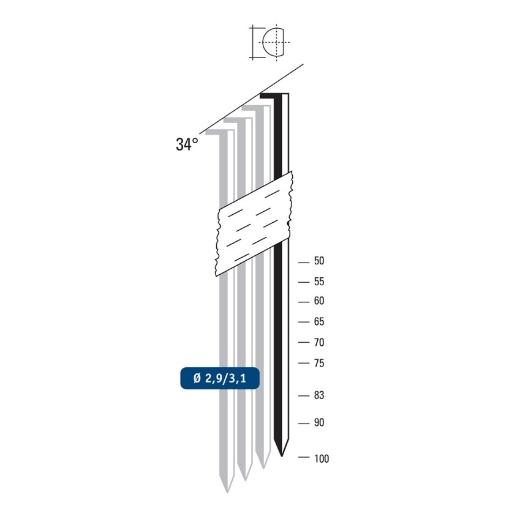
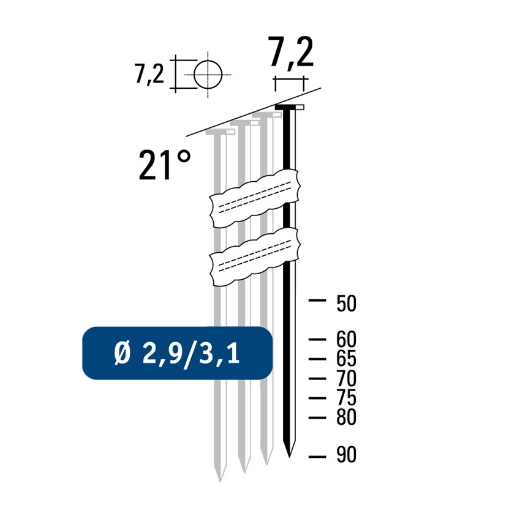
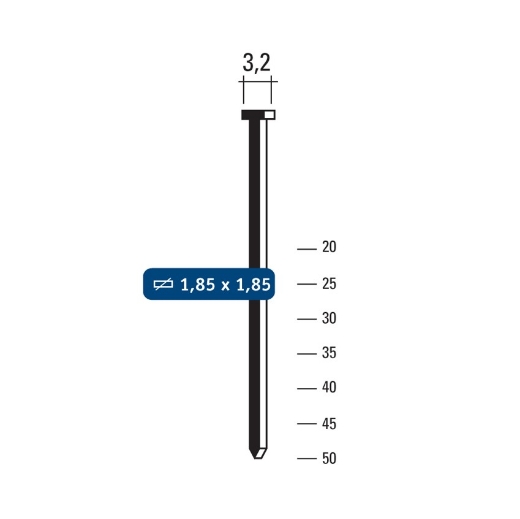
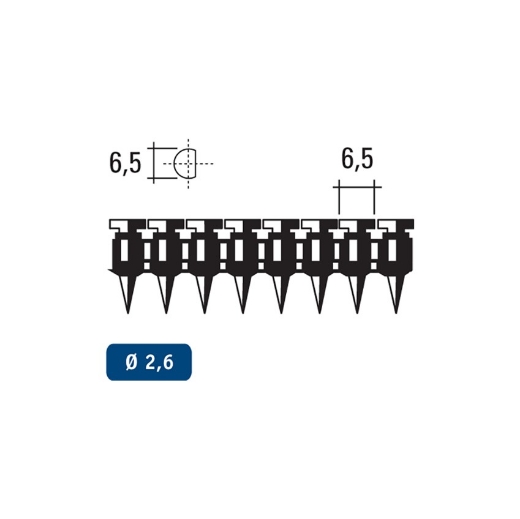
One of the biggest avoidable causes of jamming is using the wrong fastener. Nail guns are designed for specific lengths, angles, diameters, and collation styles, and failing to match any one of those can stop the strip from feeding correctly.
Collation angle and binding type
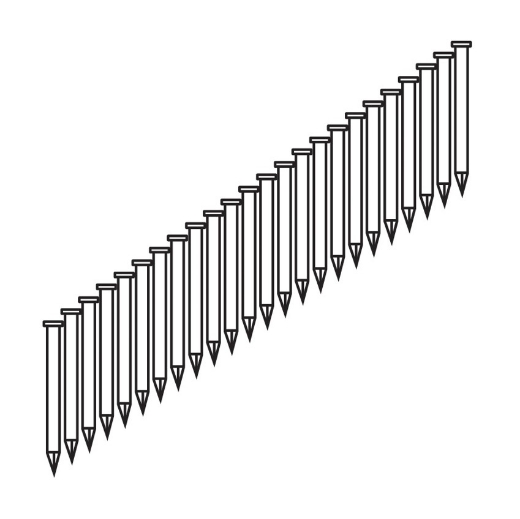
A tool that expects one collation angle should not be fed another. If the strip angle or binding type doesn't match the magazine design, the nails can jam, misalign, or break apart during feeding. That's why "close enough" fasteners are a bad idea in pneumatic work.
Check the job type
You should also check that the nails are meant for the same job type. Framing nails, brads, finish nails, and staples each have different feed behaviour and structural roles, so the right choice depends on both the tool and the application.
| Fastener type | Typical application | Key point when selecting |
|---|---|---|
| Framing nails | Heavy construction, framing, roofing | Check angle, length and collation for compatibility |
| Finish nails | Finishing, furniture, trim work | Choose thin, small-head nails for an invisible finish |
| Brads | Delicate trim, model making, light woodwork | Use only with brad-specific guns for correct feeding |
| Staples | Upholstery, insulation, light fastening work | Check crown width and leg length for compatibility |
Browse our range of professional fasteners for pneumatic tools for the right specifications for your work.
The magazine has to run smoothly
The magazine is the heart of the feed system. If it's bent, loose, dirty, or damaged, the fasteners can't advance in a straight line.
Check the feed path
Check that the nails slide cleanly along the rail and that no part of the magazine is pinching the strip. A loose screw or a worn internal part can create just enough misalignment to cause repeated jams. If the same problem keeps coming back, the magazine may need closer inspection than a simple clean.
It's also worth checking the strip travel with the tool unloaded. If the movement feels sticky or uneven by hand, that's often a sign the next loaded strip won't feed correctly either.
Frequently asked questions about nail gun jams
How do I stop my nail gun from jamming?
Which fasteners should I use for my pneumatic gun?
How often should I lubricate my nail gun?
What do I do if my gun jams anyway?
Why does my gun jam more often with new fasteners?
How do I store staples and brads correctly?
Posted by the fastening expert at DHZ-Proshop, your partner for Hewitool staples, brads, nails, and pneumatic tools. Webshop available 24/7 and pickup point in Beerse. Questions about fasteners, pneumatic tools, or maintenance? Contact our team or view our full range of staples, brads & nails at DHZ-Proshop.