Which cutting or grinding disc per material? (Quick guide: steel, inox, stone, thickness and safe use)
You choose the disc based on the job and the material, never just the diameter. In short: a cutting disc (thin) for slicing through steel, inox, profiles and rebar, a grinding disc (thick) for deburring, weld grinding and edge work in metal, and a stone/diamond disc for tiles, concrete and masonry. For inox (stainless steel) you use a special iron-free disc to avoid rust contamination. Using the wrong disc burns the material, wears out fast or, worse, shatters during use. Thickness, diameter and the bonded abrasive type are each matched to one task and one material.
Which disc do you need for your job? In the cutting and grinding disc range at DHZ-Proshop you will find cutting discs, grinding discs, inox discs and diamond discs, each made for a different material and task. This guide lines them up quickly.
Overview: which disc for which material?
Browse the full disc range in our webshop. The table links the material and task to the right disc type.
| Material / task | Best disc | Feature |
|---|---|---|
| Steel, profiles, rebar (cutting) | Thin cutting disc for metal | 1.0–2.5 mm, fast clean cuts |
| Inox / stainless steel (cutting) | Inox cutting disc | Iron/sulphur/chlorine-free, no rust |
| Deburring, weld grinding (metal) | Grinding disc | 6 mm thick, depressed centre |
| Tiles, gres, concrete, masonry | Stone or diamond disc | Diamond rim, no metal disc |
Steel and metal
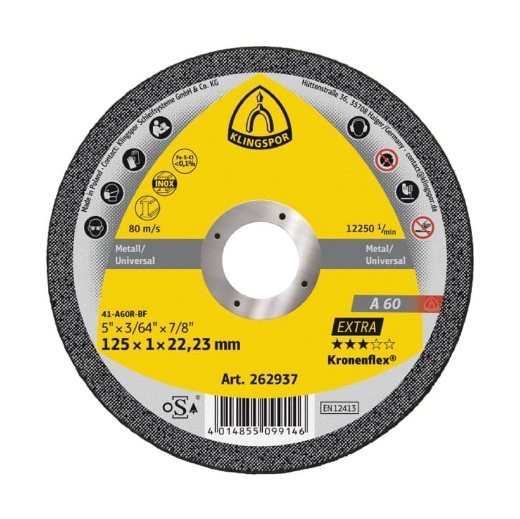
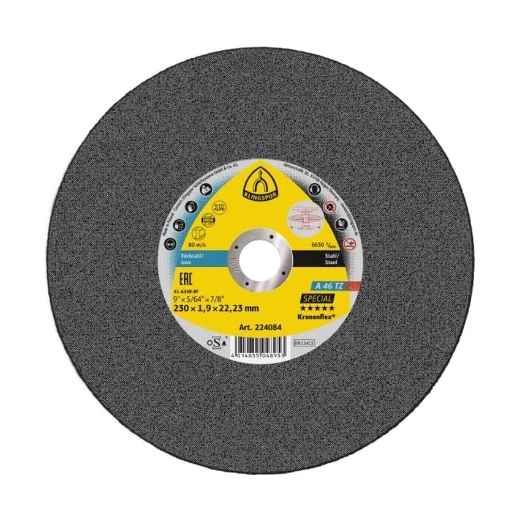
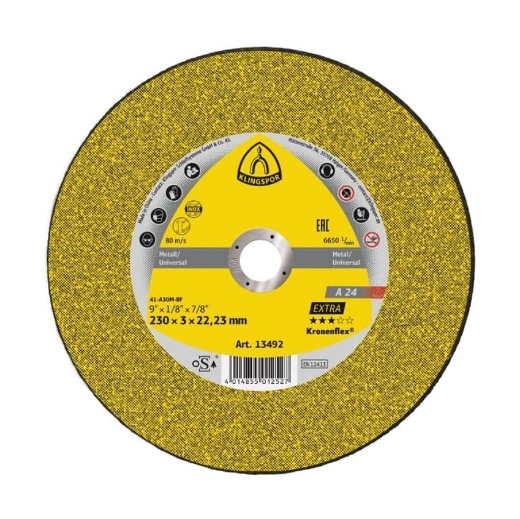
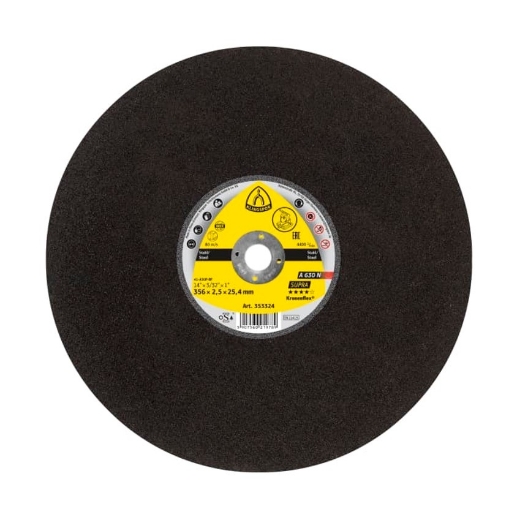
Cutting steel bar, profile or rebar? A thin cutting disc for metal slices fast and clean with minimal burr and burning.
Inox / stainless
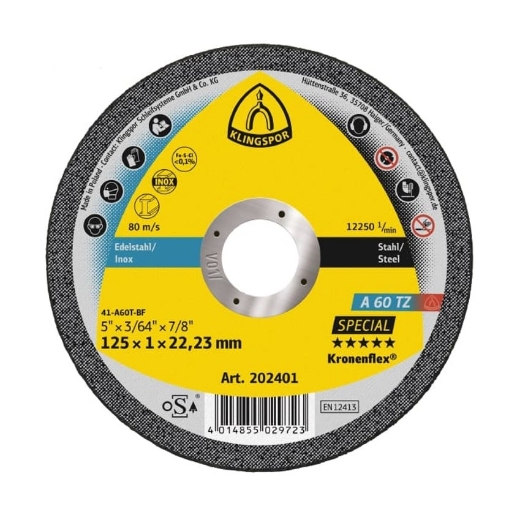
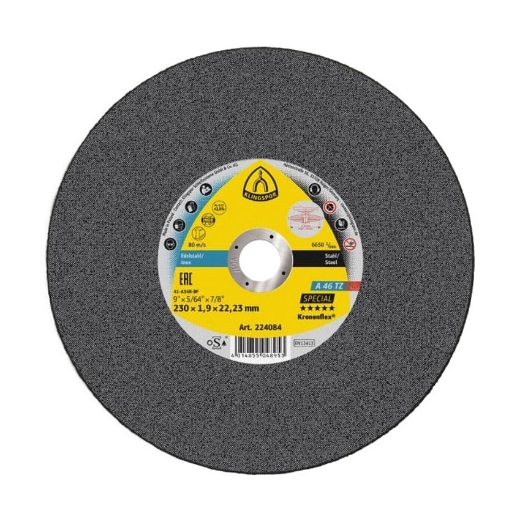
Working on stainless steel? An iron-free inox disc prevents rust contamination and keeps the surface clean and corrosion-resistant.
Grinding / deburring
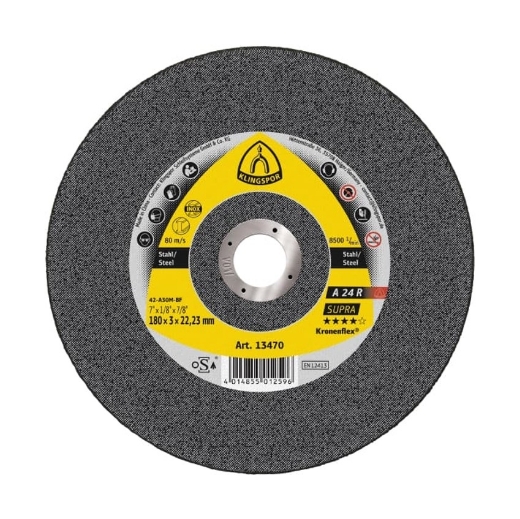
Grinding welds, edges or burrs? A thick grinding disc removes material at an angle without snapping like a thin disc would.
Stone and concrete
Cutting tiles, gres, concrete or masonry? A diamond disc cuts cool and clean where a metal disc would wear out instantly.
Cutting versus grinding: start with the task
The first question is not "which diameter", but "am I cutting or grinding, and in which material". A cutting disc is thin (typically 1.0 to 2.5 mm) and is made to slice straight through material with its edge. A grinding disc is thick (around 6 mm) with a depressed centre, and is made to grind with its flat face at an angle for deburring, weld grinding and edge work. They are not interchangeable.
This matters for safety. A thin cutting disc must only cut straight, never grind sideways: lateral pressure on a thin disc can make it crack and shatter. Likewise, a grinding disc is too thick and slow for clean cuts. Match the disc to the task first, then to the material, and only then to the diameter of your angle grinder.
Steel, profiles and rebar: the metal cutting disc
For steel, iron, profiles, pipe and rebar you use a thin cutting disc for metal. The bonded abrasive (usually aluminium oxide) and the thin profile let you slice quickly with a narrow kerf, which means less heat build-up and less material loss. Quality discs from brands such as Klingspor cut faster and last longer than budget discs because of a more consistent bond.
Let the disc do the work: apply light, even pressure and let the speed of the angle grinder cut. Forcing the disc overheats both the disc and the workpiece, leaving a blue, burnt edge and wearing the disc faster. For heavier grinding, deburring or removing welds in steel, switch to a thick grinding disc instead of trying to grind with a cut-off disc.
Inox and stainless steel: the iron-free disc
Stainless steel (inox) needs a dedicated inox cutting disc. These discs are free of iron, sulphur and chlorine, the contaminants that would embed in the stainless surface and cause rust spots and corrosion later on. Using a standard steel disc on inox is one of the most common and costly mistakes, because the surface looks fine at first but starts rusting within days.
Inox also generates a lot of heat, which can discolour the surface and reduce its corrosion resistance. Work with light pressure and let the disc cool, and never use a disc on inox that you previously used on ordinary steel. For both cutting and grinding stainless, keep a separate set of inox-rated discs to avoid cross-contamination.
Stone, concrete and tiles: stone or diamond disc
For tiles, gres, concrete, brick and masonry you do not use a metal disc. A bonded stone disc can cut softer masonry, but a diamond disc is the better choice for almost everything: its diamond-coated rim grinds through hard mineral materials cleanly and lasts far longer. Choose a continuous-rim diamond disc for clean tile cuts and a segmented rim for faster concrete and stone cutting.
Cutting stone and concrete creates a lot of dust, much of which is harmful (silica). Work with dust extraction or wet cutting where possible, and always wear a proper dust mask. Make sure the disc is rated for your material and that its maximum speed matches your angle grinder before you start.
Thickness and diameter: matching the disc to your grinder
Two numbers decide if a disc fits: the diameter and the bore. The most common angle grinder sizes are 115 mm and 125 mm (small grinders) and 230 mm (large grinders), almost always with a 22.23 mm bore. Never fit a disc larger than your guard and machine allow, and always check that the disc's maximum RPM is equal to or higher than your grinder's speed.
| Type | Typical thickness | Use |
|---|---|---|
| Thin cutting disc | 1.0 – 1.6 mm | Fast, clean cuts in sheet and profile |
| Standard cutting disc | 2.0 – 2.5 mm | Heavier cutting of bar and pipe |
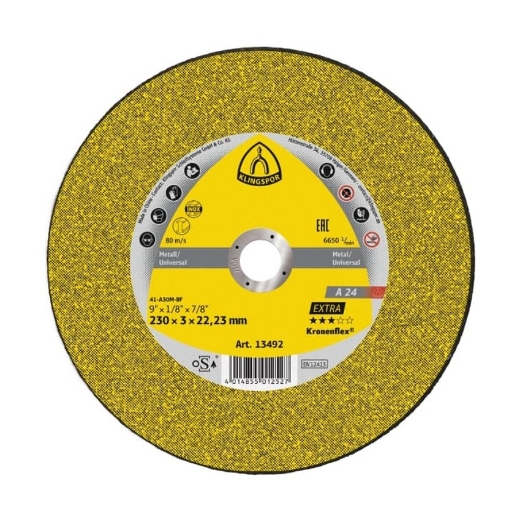
| Grinding disc | 6 mm | Deburring, weld grinding, edges |
| Diamond disc | varies | Tile, gres, stone, concrete |
Always respect the expiry date printed on bonded discs: the resin bond ages and an old disc can fail. Check our full disc range or find all your tools and building materials in Belgium on the DHZ-Proshop webshop.
Common mistakes
- Grinding sideways with a thin cutting disc: a cut-off disc is only for straight cuts. Lateral pressure can crack and shatter it. Use a thick grinding disc for flat-face work.
- Using a steel disc on inox: iron particles embed in stainless steel and cause rust spots. Always use a dedicated, iron-free inox disc and keep it separate.
- Forcing the disc: heavy pressure overheats the disc and workpiece, burns the edge blue and wears the disc fast. Let the speed do the cutting.
- Ignoring max RPM and expiry date: a disc rated below your grinder's speed, or an old, aged disc, can disintegrate during use. Always check both before fitting.
Browse the complete selection via our cutting and grinding disc range or explore the full DHZ-Proshop webshop.
Frequently asked questions about cutting discs
Which cutting disc for steel?
Which cutting disc for wood?
What cutting disc for metal?
How much is a cutting disc?
What is a cutting disc?
Can I use the same disc for steel and stainless steel?
Posted by the abrasives expert at DHZ-Proshop, your specialist in cutting and grinding discs: thin metal cutting discs, iron-free inox discs, thick grinding discs and diamond discs for stone and concrete, including Klingspor. Webshop available 24/7 with a pick-up point in Beerse. Questions about the right disc for your material? Contact our team or browse our full disc range.