How do you spot when a magnetic socket drops screws? (warning signs and field tests)
A magnetic socket rarely fails suddenly. Usually it gives small warnings first: the screw sits deeper than normal, the grip feels weaker, the head wobbles, or the fastener slips out when tilted. Stop immediately and inspect the socket at these signs, because a loose fit is the first indication that a screw is about to fall.
Spot when your magnetic socket drops a screw. In this guide you will learn the early warning signs, quick field tests and prevention tips to avoid frustrating drops and damage. With practical advice and internal links to Cobit sockets at DHZ-Proshop.
What does a magnetic socket actually do?
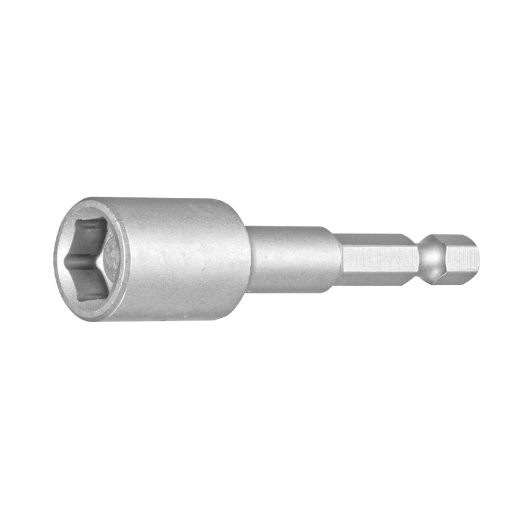
A magnetic socket uses magnetic retention to hold a screw, bolt or nut in place during positioning and tightening. In tight spaces, overhead positions or blind-hole applications, that extra grip makes the difference between a clean installation and a frustrating drop.
Magnetic retention is especially valuable when access is limited and the fastener has to stay aligned before the thread engages. But the magnet is only one part of the story. The socket also needs a correct mechanical fit on the fastener. If the socket opening is worn or the fastener head is damaged, magnetic force no longer compensates for it.
The earliest warning signs
The first warning is movement inside the socket. If the screw no longer sits firmly and can wobble back and forth before it locks in, retention is already weakened. That extra play means the fastener can shift when you change the angle, and that is often the point at which it falls.
The 5 key signs
- Change in grip feel: The screw feels looser in the socket, as if it is no longer locked in place
- Behaviour when tilting: The screw only stays in when the tool is perfectly horizontal, not at a slight change of angle
- Delayed pick-up: You have to "search" for the exact position before the screw grips
- Inconsistent retention: The same screw holds one time and not the next
- Visible play: The screw visibly wobbles in the socket before it is fully inserted
Each of these signs means the holding margin is too low for reliable work. In practical terms: the tool no longer does the alignment work you expect from it.
Signs that the socket is wearing out
Physical wear is one of the clearest causes of poor screw retention. Sockets can develop cracks, bends, chips, rust, dullness or other visible damage, and those defects reduce both safety and performance.
What should you look for?
- Loose fit: The socket feels slack on the fastener, allowing the screw to shift under vibration or gravity
- Mushrooming: Spread metal around the drive square or nut end indicates misuse and reduced alignment
- Visible damage: Cracks, corrosion, deformation or broken edges on the socket
- Inconsistent magnetic force: The screw is held one time and not the next
Even when the magnet itself is still fine, the socket body can become slack on the fastener, which makes drops more likely. Worn sockets are more likely to slip and less likely to maintain clean contact, which also increases the risk of rounding off fasteners.
Quick field tests before you start
With these three simple checks you instantly know whether your magnetic socket is still reliable or needs replacing.
Test 1: Tilt test
Place the screw in the socket and tilt the tool carefully through different angles. If the screw slips early or needs constant correction, the holding margin is too low for reliable work.
Test 2: Comparison test
Compare with a new or known-good socket if you have one. If the same screw stays securely in the other socket, your current tool is probably worn or weakened. This is one of the fastest ways to separate a bad socket from a tricky fastener.
Test 3: Visual inspection
Inspect the socket body under good light. Look for cracks, corrosion, deformation and wear on the nut end and drive square. If you see visible damage, the tool should be replaced rather than risking a dropped fastener or a stripped head.
Preventing drops before they happen
The best prevention is routine inspection. Before each job, check the socket for wear, the magnet for consistency and the fastener for damage. That small habit catches most failures before they interrupt the work.
Practical prevention tips
- Keep sockets clean: Dirt and corrosion accelerate wear; clean sockets regularly with a dry cloth
- Store them properly: Rough storage can cause impacts that damage the socket body or the magnet
- Match the tool to the job: For tricky or worn fasteners, use the correct size and consider a 6-point socket for better grip
- Do not force a poor fit: If the screw is hard to hold, look for the cause rather than forcing through
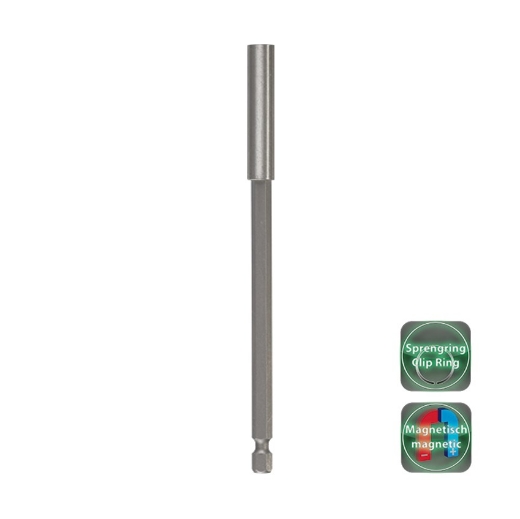
- Use temporary aids wisely: Grease, tape or a magnetic extender can help in certain situations, but only as a controlled emergency solution
View our Cobit range for precision sockets that provide consistent retention, even under demanding conditions.
When should you replace the socket?
Replace the socket if you notice visible cracks, bends, mushrooming, rust or persistent slackness on the fastener. Also replace it if the same screw keeps falling despite the correct size and clean conditions.
Also replace if:
- Retention is inconsistent across different positions or angles
- You notice you need extra hand support to hold the screw
- The socket repeatedly causes drops in normal applications
- The magnetic force has noticeably decreased compared with a new socket
In professional use, inconsistency in itself is already a failure mode. A socket has to earn your trust every time you pick it up. As soon as it makes you compensate with extra hand support, repeated attempts or awkward positioning, it is telling you it is on its way to being replaced.
Why do screws actually fall?
Screws fall for two main reasons: poor retention and poor fit. Poor retention means the magnet or holding method is too weak. Poor fit means the screw head, socket profile, or both, are worn or mismatched, so the fastener does not sit securely.
Factors that make the problem worse:
- Contamination: Dust, oil, chips and rust reduce friction and disrupt magnetic contact
- Corrosion: Rusty or rounded heads reduce the mechanical grip between socket and screw
- Working angle: A screw that behaves well on a flat workbench can fall as soon as you point the tool up, sideways or into a recess
- Vibration: If the tool or the part vibrates during alignment, the screw can move out of position before the thread fully engages
This is why the real test is not whether the screw stays put in your hand, but whether it stays put in the actual working position.
Frequently asked questions about magnetic sockets
How do I know if my magnetic socket is still good?
Why does my screw only fall during overhead work?
Can I restore a weakened magnet?
Which socket do I choose for worn screw heads?
How do I best store magnetic sockets?
Why does my socket hold one screw but not another?
Posted by the tool specialist at DHZ-Proshop, your partner for precision sockets, magnetic sockets and professional fastening tools. Authorised distributor of Cobit and other top brands. Webshop available 24/7 and pick-up point in Beerse. Questions about sockets or magnetic retention? Contact our team or view our complete Cobit range.