How Do You Recognize a Worn Wire Brush? (visual, tactile and audible signs)
A worn wire brush usually gives warning signs well in advance: uneven wire length, flared or missing filaments, changed vibration, reduced cleaning performance, and visible damage to the brush body. Stop immediately at these signs and replace the brush to prevent thrown wires, reduced control, and tool damage.
Recognize worn wire brushes before they become dangerous. In this guide you'll learn the visual and tactile warning signs, how different brush types wear, the main safety risks, and a practical inspection checklist for safe use. With internal links to Klingspor wire brushes at DHZ-Proshop.
The first visual warning signs
The easiest way to assess wear is to inspect the brush closely before every use. These four visual signs tell you the brush is due for replacement:
1. Uneven wire length
If some wires are noticeably shorter than the rest, the brush no longer makes even contact with the surface. This leads to uneven cleaning and a higher chance of chatter or skipping during use.
2. Flared wires
When the wires splay outward, collapse, or no longer sit in a consistent pattern, the brush has lost its stiffness and precision. This is especially critical on cup brushes and edge brushes, where shape and balance are essential.
3. Missing wires or gaps
A brush with several missing bundles, broken tufts, or visibly empty sections is already out of balance and should be considered worn. Missing wires mean fewer active points, more vibration, and a higher risk of uneven loading.
4. Discoloration, rust, or fouling
If the wires are clogged with debris, coated in residue, or corroded, the brush no longer cleans effectively and can overheat or feel rough during use.
Performance changes you feel and hear
A wire brush often tells you it's worn through its behaviour before it becomes visibly unsafe. Watch for these signs during use:
More pressure needed for the same result
If you suddenly have to push harder to remove rust or paint, the wire tips have probably shortened or become less aggressive. A healthy brush works efficiently with minimal pressure. Note: extra pressure doesn't solve anything, it over-bends the wires, builds heat, and accelerates wire breakage.
Loss of cutting action
A healthy brush bites consistently into rust, scale, or coatings. If it starts polishing instead of cleaning, the wires are probably worn, bent, or fouled. At that point you no longer get the intended surface treatment.
Changed vibration
A balanced brush runs smoothly, while a worn or uneven brush can feel rough, oscillate, or "walk" across the workpiece. This often points to unbalanced wire mass or a loss of concentricity.
Sound as a warning
A healthy wire brush produces a fairly constant sound. As it wears, the sound can become louder, rougher, or more intermittent because the wires no longer make uniform contact. A brush that suddenly sounds harsher than before is worth stopping to inspect.
Different brush types wear differently
Klingspor offers several formats of wire brush, and each has a different wear profile:
| Brush type | Typical use | Wear pattern |
|---|---|---|
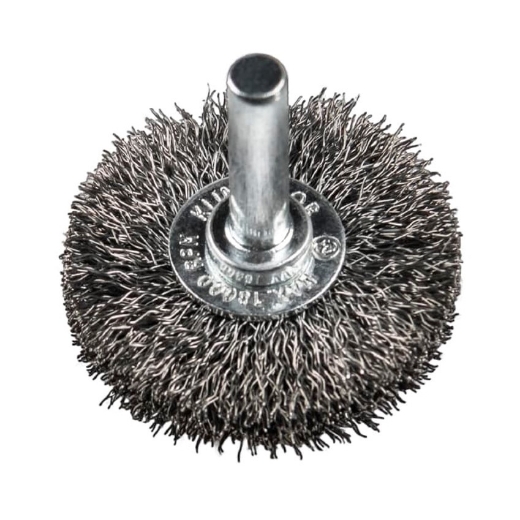
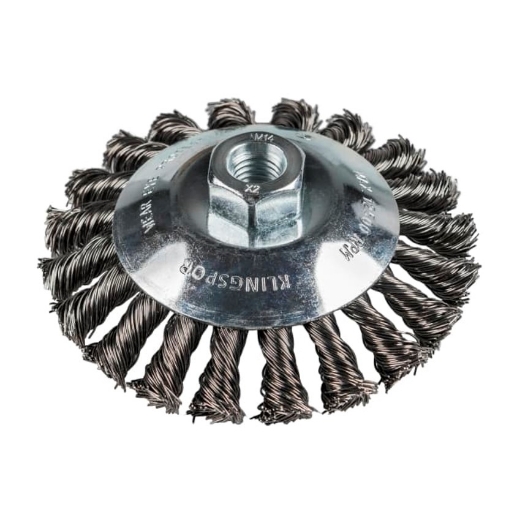
| Wheel brush | Weld preparation, edge cleaning | Wears evenly around the circumference; check for uneven wire length |
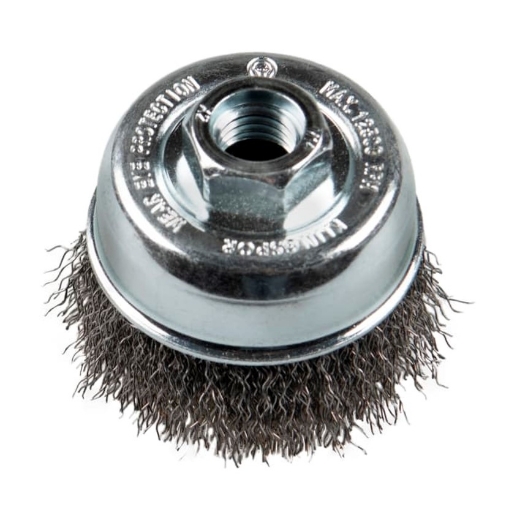
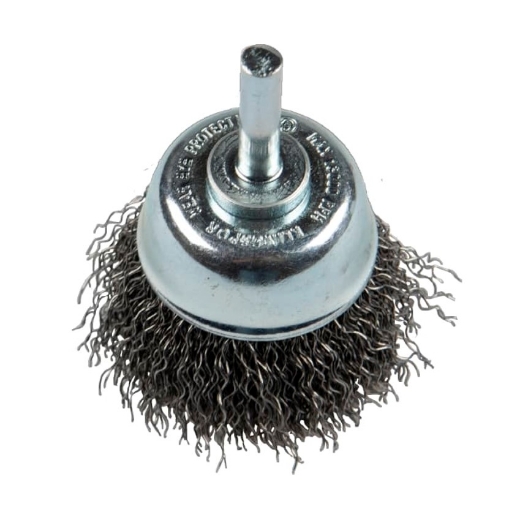
| Cup brush | Large surfaces, flat cleaning work | Often wears unevenly at the outer edge; check balance |
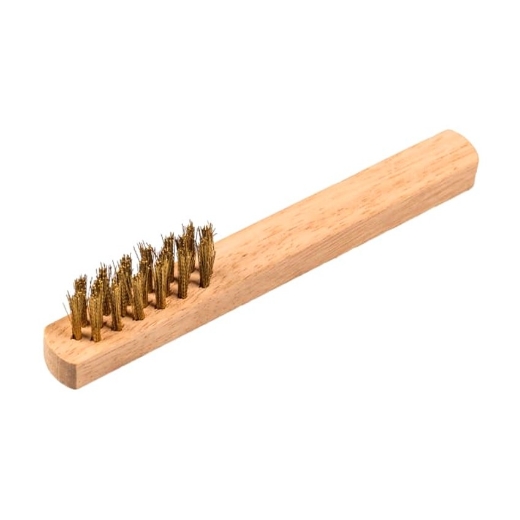
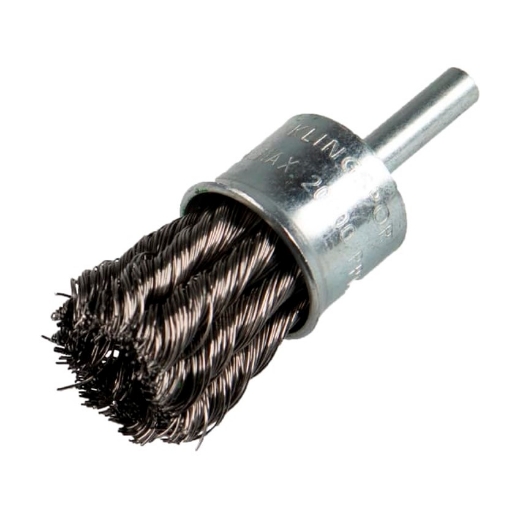
| Pencil brush | Holes, cavities, hard-to-reach spots | Loses effectiveness as wire tips shorten in the narrow work zone |
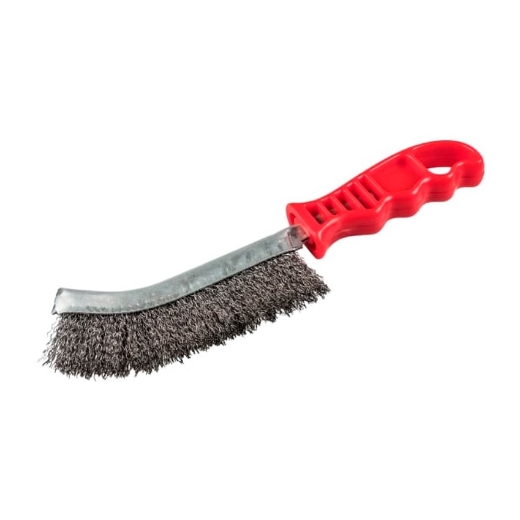
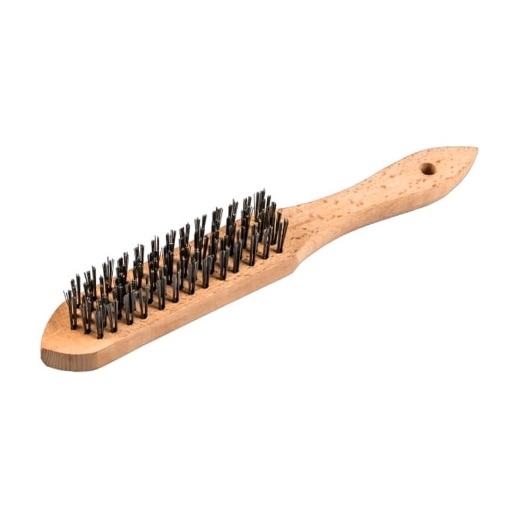
| Hand brush | Manual cleaning, detail work | Becomes unsafe if wires flare or break close to the handle |
Because the geometry differs, so does the wear pattern. A cup brush often wears unevenly at the outer edge, while a pencil brush can lose effectiveness as the wire tips shorten in a narrow work zone. A hand brush can become unsafe if the wires flare or break close to the handle, because the loss of control is immediate.
That's why inspection should always be matched to the brush type. You're not only looking for "worn wires"; you're also checking whether the worn pattern still allows controlled contact. See our product page for specific advice.
The main safety risks
A worn wire brush isn't just less effective, it's also more dangerous. In normal use, a wire brush always throws off some material and loose wires, and as the brush wears that increases. Those wire fragments come off with considerable force and can still cause injury several metres away, including to bystanders. Understand the three main risks before you start:
Speed: brush rating always above the tool
The most important safety principle is independent of wear, but it determines whether a brush runs safely at all: the brush's maximum speed (RPM) must always be equal to or higher than the speed of the machine. A brush rated at 9,000 RPM does not belong on an angle grinder running at 11,000 or 13,000 RPM. Always check this before mounting, and preferably use a variable-speed machine for larger cup brushes.
Thrown wires and the right protection
Wire fragments easily penetrate clothing and skin. So always wear a face shield over safety glasses, together with gloves and closed work clothing. Direct the stream of sparks and particles away from yourself and others, and keep bystanders out of the brush's path.
Too much pressure and overheating
A wire brush is designed to work with the tips of the wires, not the full length of the wire. Too much pressure over-bends the wires, builds up heat, and accelerates wire breakage, exactly what makes a worn brush dangerous. Let the brush do the work with light, even pressure; that extends its life and reduces the risk.
Practical inspection checklist before every use
A short, fixed check before every use catches most problems before they become dangerous. Run through these points:
- Wire length: are all wires the same length, or are sections clearly shorter? Uneven length means uneven contact.
- Wire pattern: do the wires still sit in a consistent pattern, or do they flare out with empty sections or broken tufts?
- Rust and fouling: is the brush clean, or are the wires clogged with residue or corrosion?
- Brush body: are there cracks, deformation, or loose bundles visible, especially close to the hub or handle?
- Speed: does the brush's RPM rating match or exceed that of the machine?
- Test run: does the brush run smoothly unloaded, without wobble, vibration, or unusual sound?
If you're in doubt about any of these points, don't use the brush. A wire brush is a consumable: replacing it is always safer and cheaper than an accident or a damaged workpiece. View the full range of wire brushes for a suitable replacement.
Frequently asked questions about wire brush wear
How often should I replace my wire brush?
Can I still repair a worn wire brush?
Why does my brush throw wires during use?
How do I know if my brush is still balanced?
Which brush should I choose for stainless steel?
What do I do if my brush overheats?
Posted by the surface specialist at DHZ-Proshop, your partner for Klingspor wire brushes, surface treatment, and professional tools. Webshop available 24/7 and pickup point in Beerse. Questions about wire brushes, wear, or safety? Contact our team or view our complete surface treatment range.