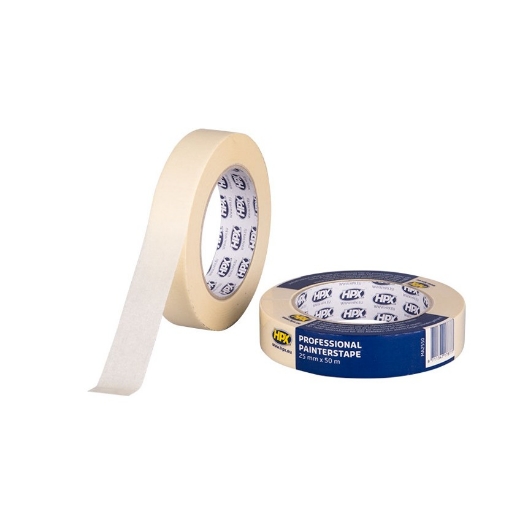
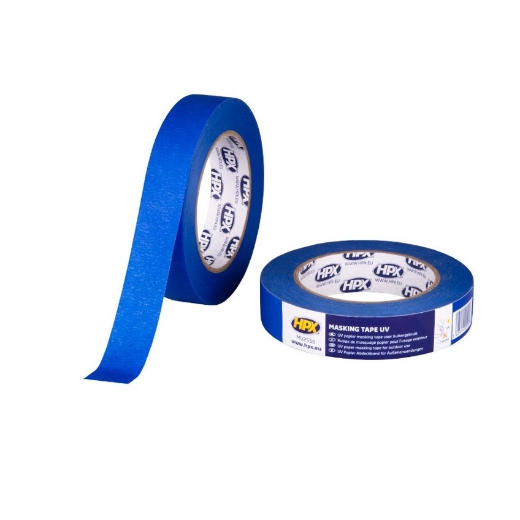
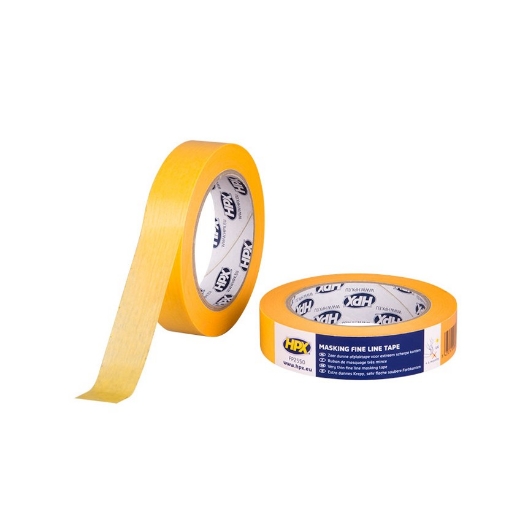
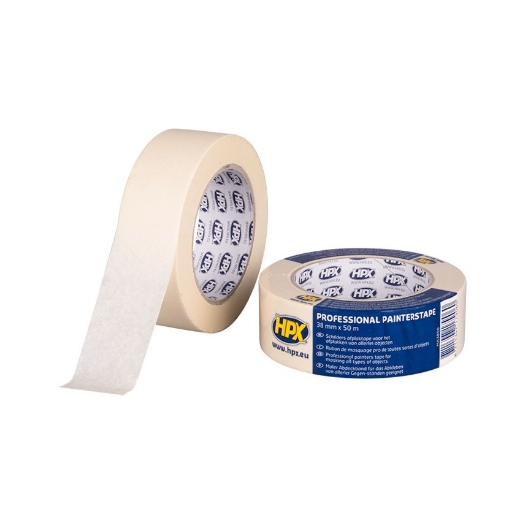
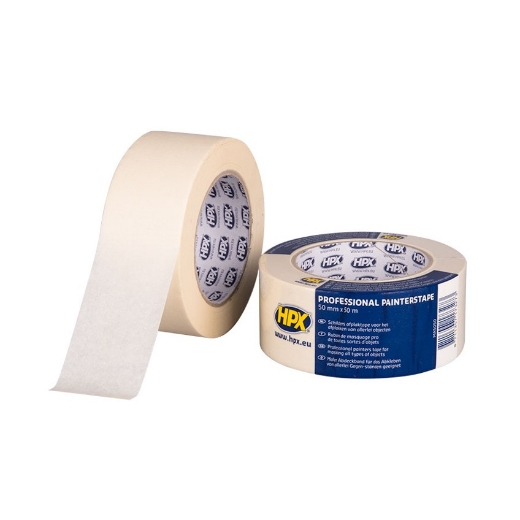
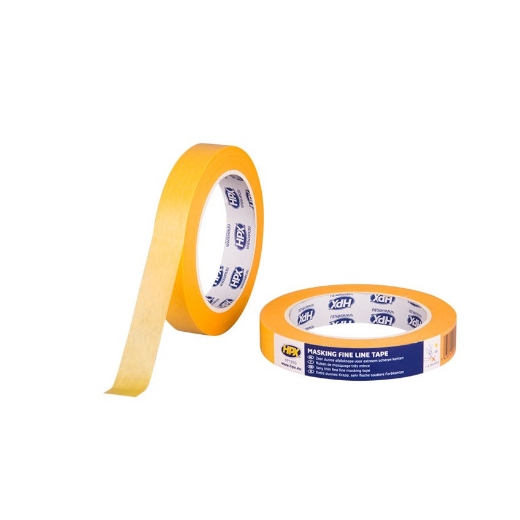
For ordinary indoor decorating finished the same day, reach for 60 °C cream masking tape. If the tape has to stay outside or hold for more than a day, choose UV blue tape, which stays cleanly removable for up to 14 days. For a razor straight colour split, for example on lacquered wood, metal or glass, choose Fine Line 4400, built for extremely sharp paint edges. The tape is only half the result: pull it off while the edge is still slightly damp, roughly 30 to 60 minutes after the last coat.
Which tape suits your job? See the full range in our category tapes and adhesive tape.
- 60 °C cream is the standard for indoor decorating and temporary covering.
- UV blue resists UV and stays cleanly removable for up to 14 days, indoors and out.
- Fine Line 4400 is built for extremely sharp paint edges and grips metal, glass, plastic and rubber.
- Pull the tape while the edge is still damp, roughly 30 to 60 minutes after the last coat.
- If the paint has dried hard, score along the tape with a sharp knife first.
- Widths from 19 to 50 mm: narrow for profiles and frames, wide to cover skirting and floors.
Overview: three tapes, three jobs
| Tape | Use | Strength | Widths |
|---|---|---|---|
| Masking 60 °C cream | Indoor decorating, temporary covering | Withstands up to 60 °C | 19, 25, 38 and 50 mm |
| Masking UV blue | Outdoors, and indoors where tape stays for days | UV resistant, cleanly removable up to 14 days | 25 mm |
| Masking 4400 Fine Line | Sharp paint edges and colour splits | Grips metal, glass, plastic and rubber | 19, 25 and 38 mm |
The three rolls sit side by side on the shelf and look much alike. The difference is in the adhesive and the backing, not in the colour. The colour is there so you can see at a glance which roll you are picking up on site.
Indoor or outdoor: that is the first question
Ordinary cream masking tape is made to stay on briefly and work indoors. In full sun the adhesive bakes on and leaves residue. UV blue tape withstands that and stays cleanly removable for up to 14 days. That is useful indoors too, for instance in a stairwell painted in stages.
The 60 °C on the cream roll refers to temperature resistance, not to outdoor temperature. That figure matters when you force drying with a heat gun or work in a heated spray room.
An edge that has to be dead straight
Fine Line 4400 has a thinner backing than ordinary masking tape. Paint can therefore creep much less under the edge and you get a crisp split. The tape also grips smooth surfaces such as metal, glass, plastic and rubber, exactly where ordinary tape either lifts or bonds too hard.
Here in Beerse we recommend Fine Line mainly for two colours meeting and for lacquer work on frames. Press the edge down with your thumbnail or a filling knife before you start: most bleed-through comes from tape lying loose, not from poor tape.
The complaint we hear most about masking tape is that paint crept underneath. Nine times out of ten the tape simply was not pressed down, or it was pulled off the next day. Pressing the edge and lifting on time does more for your line than any roll on the shelf.DHZ-Proshop trade team, Beerse
When do you pull the tape?
Pull the tape while the edge is still slightly damp or touch dry, roughly 30 to 60 minutes after the last coat. If the paint dries fully over the tape, the film bridges the edge and tears as you pull. If that has happened, score along the tape with a sharp knife before lifting it.
Pull the roll back on itself at about 45 degrees, steadily and in one movement. Yanking straight up is what wrecks the paint edge.
The other tapes on the shelf
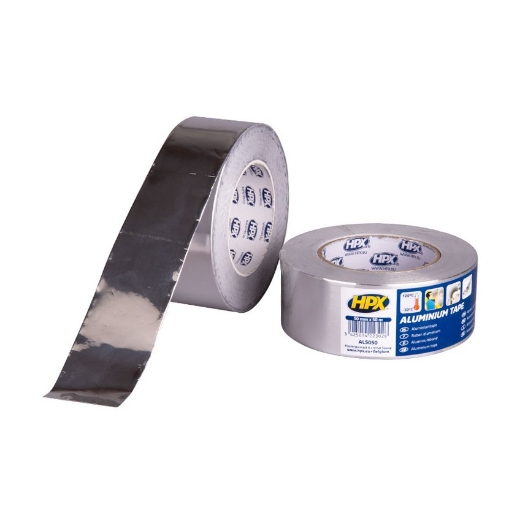
- Aluminium tape for repairing, sealing and joining metal surfaces, including where it gets warm.
- Double sided mounting tape to fix materials without drilling, indoors and out.
- PVC insulating tape VDE for electrical work.
- Packaging tape for closing boxes.
Common mistakes
- Not pressing the tape down. Paint creeps under any edge that is not pressed, however good the tape.
- Using cream tape outdoors. After a sunny day the adhesive leaves residue. Use UV blue.
- Leaving tape on for days. Only UV blue is built for that, up to 14 days.
- Sticking to a dusty or greasy surface. Wiping the dust off takes less time than reworking the edge.
- Pulling straight up. Pull back on itself at about 45 degrees.
Frequently asked questions
What does 60 °C on masking tape mean?
It is the temperature the tape withstands. It does not refer to outdoor temperature but to heat during the work, for example when forcing drying with a heat gun or in a heated spray room.
How long can masking tape stay on?
UV blue tape is cleanly removable for up to 14 days. Ordinary cream masking tape is meant to stay on briefly and is best removed the same day.
When do I use Fine Line instead of ordinary masking tape?
For an edge that has to be dead straight, such as two colours meeting or lacquer work on frames, and on smooth surfaces such as metal, glass, plastic and rubber.
Paint crept under my tape. What went wrong?
Usually the edge was not pressed down before painting. Press the tape with your thumbnail or a filling knife, and lay a thin first coat that seals the edge.
How do I remove tape when the paint has hardened?
Score along the tape with a sharp knife first, so the paint film no longer bridges. Then pull the tape back on itself at about 45 degrees.