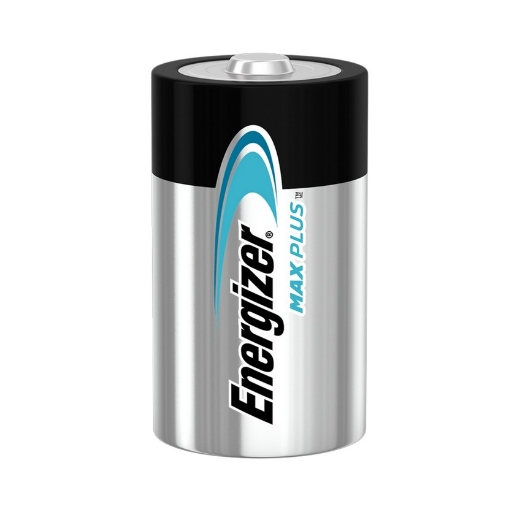
You choose a battery on three things: chemistry, voltage and capacity, never on size alone. Alkaline batteries handle everyday, low-to-medium drain gear such as remotes and torches. Lithium batteries such as a 3V CR2032 coin cell or an Ultimate Lithium AA cell keep working in the cold and in high-drain tools, and they hold their charge for years in storage. Rechargeable NiMH batteries, rated up to 2500mAh, are the better choice for anything you use daily, from a torch to a measuring instrument. Fit the wrong voltage or the wrong size and a device simply won't switch on or won't reach full power.
Which battery does your tool or device actually need? Browse the full range of coin cells, alkaline and rechargeable batteries in our battery category, or use the comparison below to match chemistry and capacity to your device.
- Alkaline batteries (AA, AAA, C, D, 9V) suit everyday low- to medium-drain devices like remotes, torches and smoke detectors.
- Lithium batteries (CR2032, Ultimate Lithium AA) perform better in the cold and in high-drain gear such as key fobs, cameras and measuring tools.
- NiMH rechargeable batteries, up to 2500mAh, pay off in devices you use every day.
- Voltage must match the device exactly; capacity in mAh only affects how long a battery lasts between charges or replacements.
- Never mix old and new batteries, or different chemistries, in the same device.
Which battery for which device? Quick overview
The table below lists the exact batteries and chargers in the DHZ-Proshop range, matched to the chemistry, size and typical device they suit. Check the type first, then match capacity to how often you use the device.
| Product | Chemistry & type | Key spec | Ideal for |
|---|---|---|---|
| Ultimate Lithium CR2032 (2-pack) | Lithium, CR coin cell | 3V | Car key fobs, calculators, small electronics |
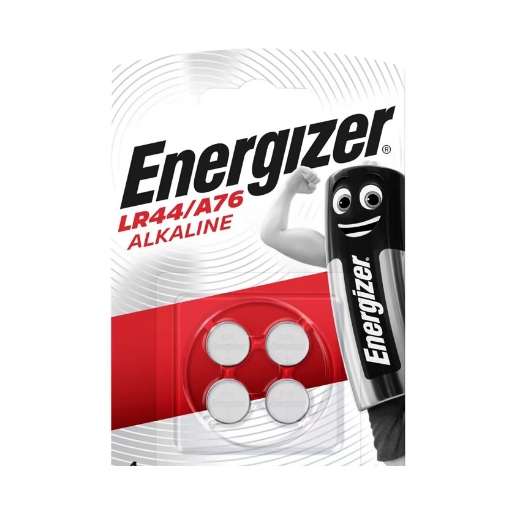
| LR44 button cell (4-pack) | Alkaline, button cell | 1.5V, 150mAh | Thermometers, watches, small torches |
| Max Plus AA (8-pack) | Alkaline, AA | 1.5V | Remotes, torches, clocks, toys |
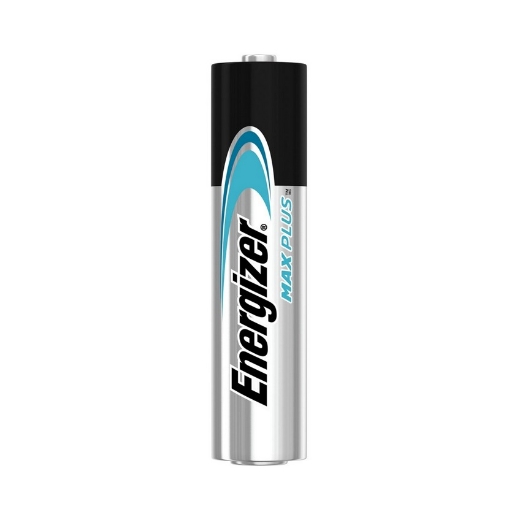
| Max Plus AAA (8-pack) | Alkaline, AAA | 1.5V | Small remotes, mice, thermometers |
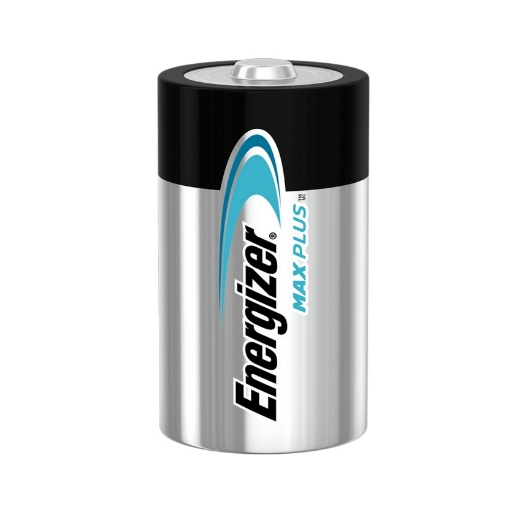
| Max Plus C (2-pack) | Alkaline, C | 1.5V | Torches, radios, medium-drain gear |
| Max Plus D (2-pack) | Alkaline, D | 1.5V | Lanterns, high-drain torches, radios |
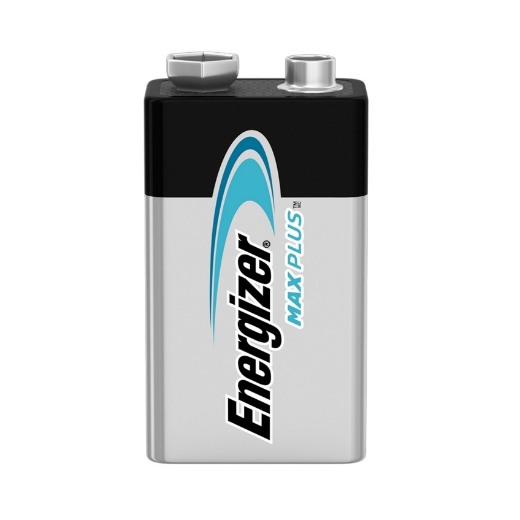
| Max Plus 9V (1-pack) | Alkaline, 9V | 9V | Smoke detectors, multimeters, wireless mics |
| Ultimate Lithium AA (4-pack) | Lithium, AA | 1.5V | Cameras, laser tools, cold storage |
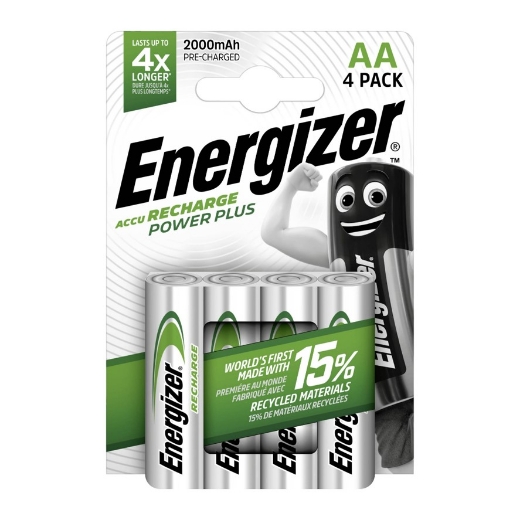
| Power Plus AA rechargeable (4-pack) | NiMH, AA, rechargeable | 2000mAh | Daily-use torches, remotes, radios |
| Power Plus C rechargeable (2-pack) | NiMH, C, rechargeable | 2500mAh | Frequently used medium-drain gear |
| Power Plus D rechargeable (2-pack) | NiMH, D, rechargeable | 2500mAh | Frequently used high-drain gear |
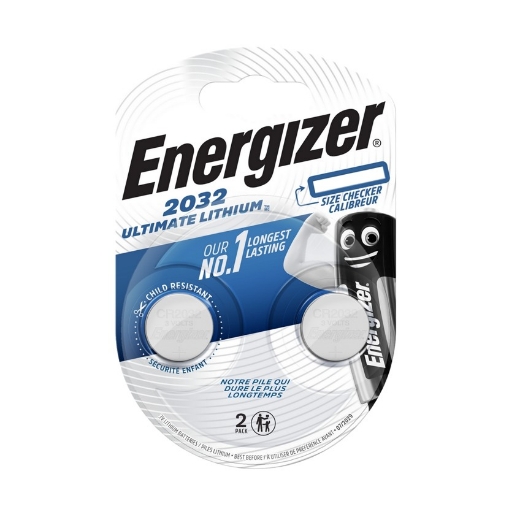
Key fobs & coin cells
Car key fobs, calculators and small electronics run on a flat 3V lithium coin cell. The CR2032 is one of our most chosen batteries for exactly this purpose.
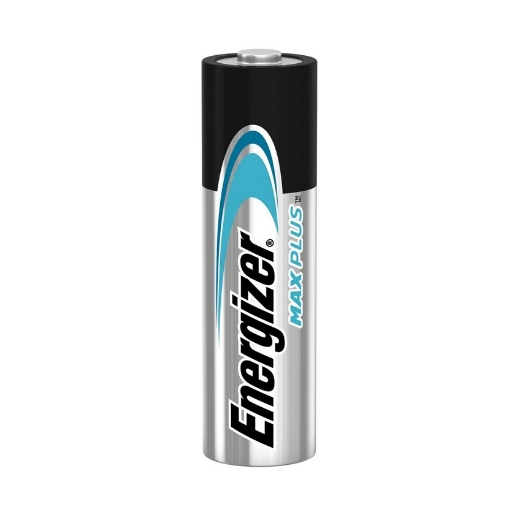
Everyday AA power
Remotes, clocks and torches that get occasional use run reliably on standard 1.5V alkaline AA cells, with no self-drain worries in storage.
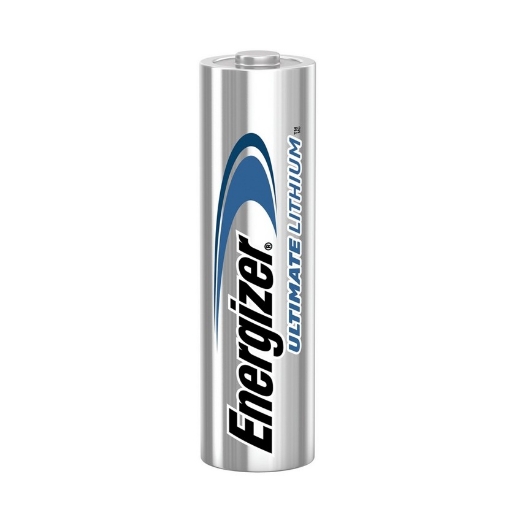
Cold & high-drain tools
Cameras, laser levels and outdoor measuring tools drain power fast and often work in the cold. Ultimate Lithium AA cells keep delivering where alkaline fades.
Daily-use rechargeable
Toys, torches and radios that run every day cost you far less hassle on a 2000mAh NiMH rechargeable set than on a constant stream of disposables.
Which battery is better: alkaline, lithium or NiMH?
There is no single "best" chemistry, each one suits a different job. Alkaline batteries are the standard choice for everyday, low- to medium-drain devices: remotes, clocks, wall torches. Lithium batteries such as the Ultimate Lithium AA or the CR2032 coin cell handle high-drain equipment and cold temperatures far better, and they hold their charge for years on a shelf. NiMH rechargeable batteries win on devices you use constantly, since you recharge instead of replacing.
A camera flash or a laser measuring tool draws current in short, heavy bursts. Alkaline cells sag under that load and their voltage drops fast; lithium and NiMH cells keep delivering. A wall clock or a doorbell remote, on the other hand, draws almost nothing for months at a time. Alkaline is the sensible, low-maintenance pick there.
How do I match battery voltage and size to my device?
Voltage is fixed by battery size and chemistry, and it must match your device exactly. AA, AAA, C and D cells all deliver 1.5V in alkaline form, whatever their physical size; a 9V battery, as the name states, delivers 9V. A CR2032 coin cell delivers 3V. Size (AA versus D) does not change the voltage, it changes how much current the cell can sustain and for how long.
Small electronics like thermometers, laser pointers or slim watches typically take an LR44 button cell at 1.5V. Car key fobs, calculators and many memory-backup circuits use a CR2032 at 3V instead. Larger, higher-drain devices such as boomboxes or lanterns need C or D cells so the same 1.5V can push more current without the voltage collapsing.
In our store in Beerse, customers replacing a key fob or a calculator battery reach for the Energizer Ultimate Lithium CR2032 almost every time, because a 3V lithium coin cell simply keeps a stable voltage far longer than a cheaper alternative.DHZ-Proshop vakteam, Beerse
What does battery capacity (mAh) actually mean?
Capacity, expressed in mAh, tells you how much energy a battery stores, and therefore how long it lasts under a given load. The Power Plus AA rechargeable holds 2000mAh; the Power Plus C and D rechargeables hold 2500mAh each. A higher mAh rating means more runtime between charges, but only within the same chemistry and size, since you cannot compare an AA cell's mAh directly to a D cell's mAh.
For disposable batteries, capacity matters less than chemistry once the device is high-drain: an Ultimate Lithium AA outlasts a standard alkaline AA in a camera even though both share the same 1.5V rating, because lithium sustains its voltage under load far longer. For rechargeable NiMH batteries, capacity is the main number to compare when choosing between packs of the same size.
Do I need a special charger for rechargeable batteries?
Yes, NiMH rechargeable AA, C, D and 9V batteries need a dedicated charger, never a wall socket directly. The Energizer universal charger accepts multiple NiMH sizes, while the Energizer Charger Pro comes bundled with 4x AA 2000mAh cells ready to use straight out of the box. Never attempt to charge alkaline batteries; they are not designed for it and can leak or rupture.
Match the charger to the battery size you own. A charger built for AA and AAA cells will not properly charge a C or D battery without the right adapter slots, so check compatibility before buying a charger separately from your batteries.
Common mistakes
- Using alkaline in high-drain tools: alkaline sags under heavy current draw. A camera, laser tool or measuring instrument performs far better on lithium or NiMH.
- Mixing old and new batteries: a partly used cell next to a fresh one forces the weaker one to reverse-charge, which can leak and damage the device.
- Charging alkaline batteries: alkaline cells are single-use. Only NiMH rechargeable batteries belong in a charger.
- Ignoring voltage for size: AA, C and D alkaline cells all deliver 1.5V; picking the wrong physical size for your device's battery compartment simply won't fit or make contact.
Browse the complete range in our battery category at DHZ-Proshop.
Frequently asked questions about choosing batteries
Which battery should I choose for my tool or device?
Which battery is better: alkaline, lithium or rechargeable NiMH?
What is the most efficient battery type for high-drain devices?
Which battery do power tools and measuring instruments need?
Which battery replacement do I need for a watch?
Which battery does a car key fob need?
Compiled by the DHZ-Proshop team, your DIY and trade supplier with a shop and collection point in Beerse. What we advise most often in the shop is to check the old battery's code and voltage before buying a replacement, since two batteries of similar size can carry different chemistries. Questions about the right battery for your tool or device? Contact our team or browse the full battery range.