Which joint width and joint depth do you use per application? A sealant joint applied too narrow, too deep or without backer rod cracks faster than the sealant is old. Below you will find the concrete guide dimensions per situation, followed by the rules for the depth-to-width ratio and three-sided adhesion.
Guide dimensions per application, quick overview
View the full Soudal sealant range in our webshop, each product states the recommended joint dimensions and movement class in its technical data sheet. Want to know which sealant suits your application? Read our guide choosing the right sealant.
Sanitary joints, 5 to 10 mm wide
For connection joints in shower, bath, basin and kitchen on ceramic or enamelled surfaces. Guide width: 5–10 mm, depth: max. half the width (so 3–5 mm for a 6 mm wide joint). Use a PU backer rod if the joint is deeper than necessary. Sanitary joints that are too deep dry more slowly and have a greater risk of mould formation. Sealant: Silirub 2S or Silirub+ S8100.
Windows, doors & frames, 6 to 15 mm wide
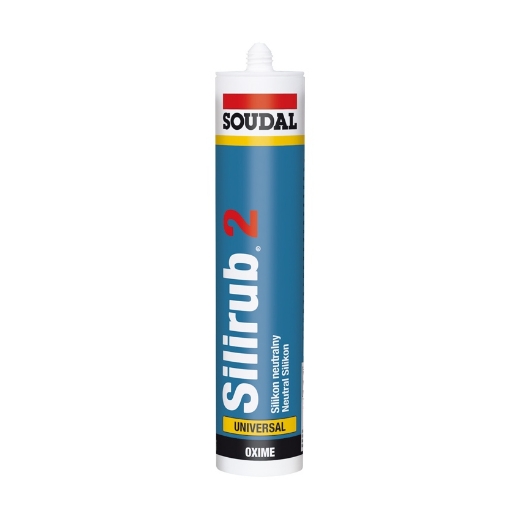
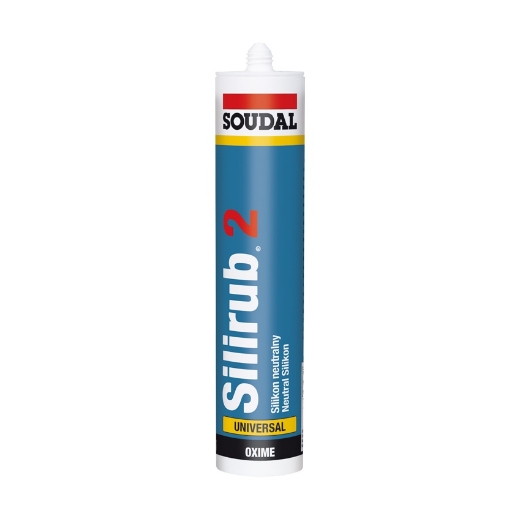
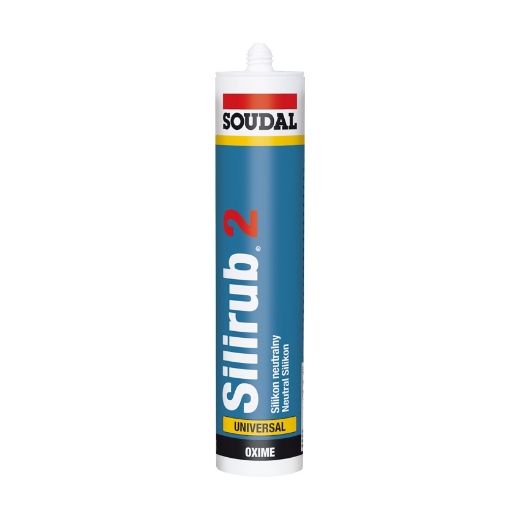
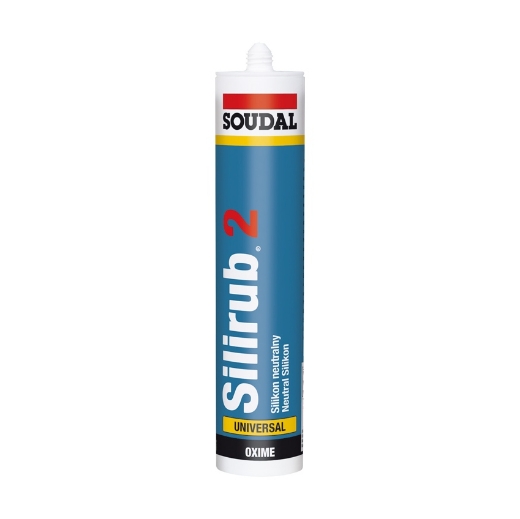
Connection joints along window and door frames in façade or interior wall undergo daily movement due to temperature fluctuations. Guide width: 6–15 mm, depth: 5–8 mm, always with PU backer rod if the cavity is deeper. Joints wider than 15 mm require a higher movement class or a specialised construction sealant. Sealant: Silirub 2, Soudaseal 222LM. More in our guide sealant for windows and doors.
Wide construction & expansion joints, 10 to 30 mm wide
Façades, floor–wall connection, expansion joints in concrete or masonry. Guide width: 10–30 mm. For joints wider than 15 mm a PU backer rod (backer rod) is mandatory to limit the joint depth to approx. 8–12 mm and prevent three-sided adhesion. Choose a sealant with sufficient movement class (min. class 25). Sealant: Soudaseal 222LM, Soudaseal 215 LM+.
Narrow interior joints, 3 to 6 mm wide
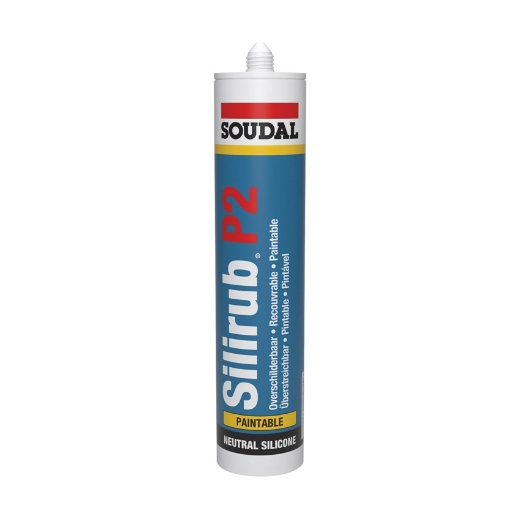
Skirting boards, wall–ceiling connections and light joints in dry interior spaces. Guide width: 3–6 mm, depth: at most equal to the width. No backer rod needed for joints up to 6 mm deep. Use masking tape for clean lines and smooth off with a smoothing tool. Sealant: Soudal Acryrub (overpaintable) or Silirub P2 (elastic + overpaintable).
Joint shape, depth-to-width ratio and three-sided adhesion explained
The geometry of a sealant joint determines how well the sealant can move without cracking. These are the principles underlying all sealing work.
- Depth-to-width ratio: Sealant works as an elastic connection between two surfaces. For optimal deformability the rule is: joint depth = ½ × joint width, with a minimum of 6 mm depth for structural joints. For a joint 10 mm wide you therefore use 5 mm deep sealant. A sealant layer that is too thick cannot deform sufficiently during movement and will crack. A sealant layer that is too thin has insufficient adhesion and water-resistant mass.
- Avoiding three-sided adhesion: Sealant may adhere to the two sides of the joint, not to the bottom. When sealant adheres to three surfaces (bottom + two sides), the elasticity is severely limited: during movement the sealant has nowhere to go and cracks. This is the most common cause of a sealant joint that already cracks after a few months. A PE backer rod prevents bottom adhesion and at the same time controls the joint depth.
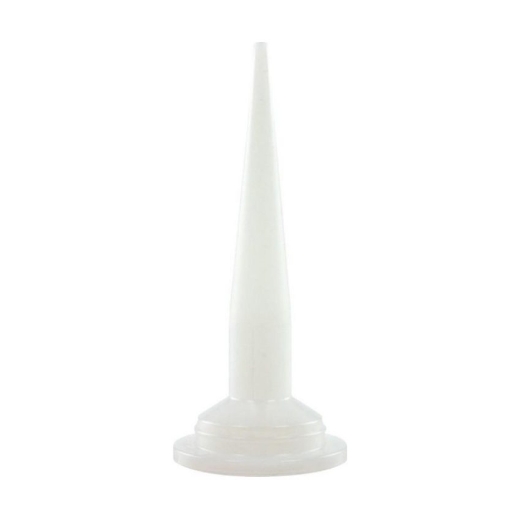
- PU backer rod, when and how: Use a backer rod for all joints deeper than 10 mm and for joints wider than 15 mm. Choose a profile with a diameter 25% larger than the joint width so it stays firmly in place. Press the profile to the desired depth in the joint, the sealant layer goes on top. This way you control the depth precisely and use less sealant. More about backer rods: differences in joint fillers.
- Linking joint width and movement class: Each sealant has a movement class (standard EN 15651): class 12.5 stands for 12.5% maximum deformation, class 25 for 25%. A joint 10 mm wide with class 12.5 can therefore move a maximum of 1.25 mm. For frames and façade joints class 25 is standard. Check in the technical data sheet whether the movement class of the chosen sealant is sufficient for the expected joint movement.
- Joint shape and mould risk: In wet areas (shower, bath) there is an additional reason for the correct joint depth: a sealant layer that is too deep dries more slowly after showering and provides damp conditions for mould growth for longer. A joint 4–6 mm deep dries faster than a joint 12 mm deep at the same surface dimensions. More about mould prevention in our guide preventing mould in sealant joints.
- Masking and smoothing for the correct joint shape: Always work with masking tape along both joint edges for clean, even lines. An uneven sealant edge holds more dirt and makes it harder to control the correct depth. Remove the tape immediately after smoothing with a smoothing tool, while the sealant is still wet. For the complete step-by-step plan: sealing the bathroom or removing old sealant and resealing.
Frequently asked questions about joint width and joint depth
What is the ideal ratio between joint width and joint depth?
Why should sealant not adhere to three surfaces?
When is a PU or PE backer rod mandatory?
How do I measure how much movement a joint must absorb?
My joint is too narrow for a backer rod, what now?
Does the joint width affect the drying time?
Posted by the Soudal sealant expert of DHZ-Proshop, your specialist in fasteners, adhesives & silicones. Webshop available 24/7 & collection point in Beerse (province of Antwerp). Questions about the correct joint build-up or product choice for your project? Contact our team.