Which sandpaper grit to choose for your job? (Quick guide: coarse removal, intermediate sanding, fine finishing)
Choose your sandpaper grit based on the phase of the job, not just the material. As a rule of thumb: use a coarse grit (40–80) for heavy stock removal and paint stripping, a medium grit (100–150) for intermediate sanding and smoothing, and a fine grit (180–320) for finishing before painting or varnishing. For ultra-smooth lacquer, filler and car paint you go even finer (400–2000, often wet). Working through the grits step by step, never skipping more than one grade, gives a clean, scratch-free result on wood, paint and metal.
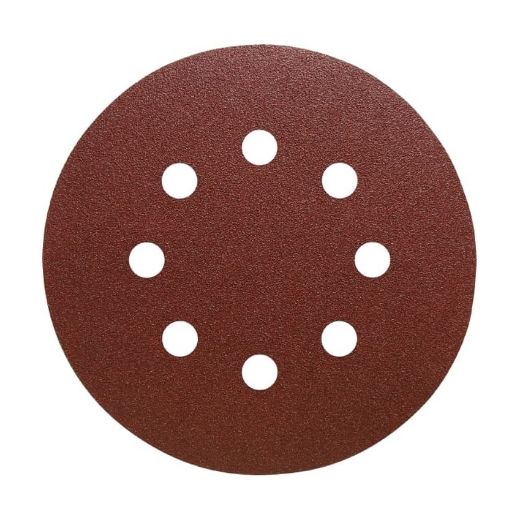
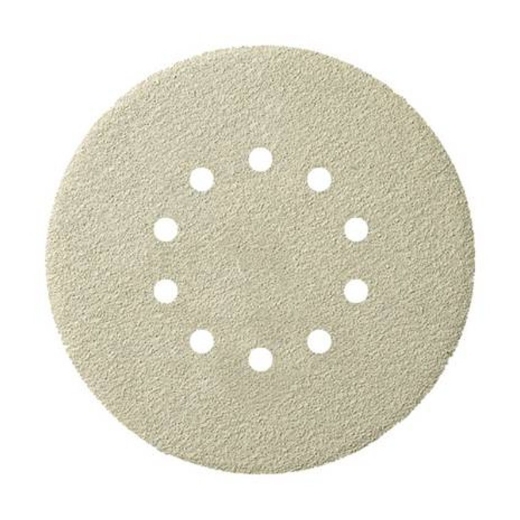
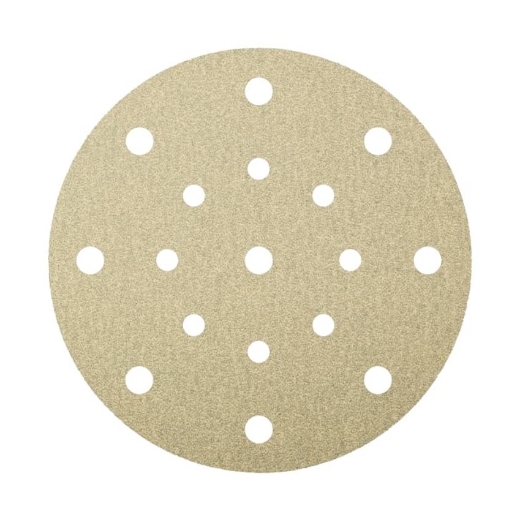
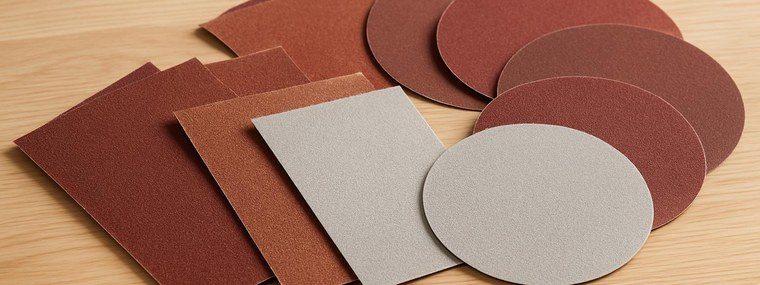
Which sandpaper grit do you need for your job? In the abrasives range at DHZ-Proshop you will find sanding sheets, discs, rolls and belts in every grit, including Klingspor quality. This guide lines them up quickly.
Overview: which grit for which phase?
Browse the full abrasives range in our webshop. The table links each grit range to its job.
| Grit range | Phase | Typical use |
|---|---|---|
| 40 – 80 (coarse) | Heavy removal | Stripping paint, levelling rough wood, removing rust |
| 100 – 150 (medium) | Intermediate sanding | Smoothing wood, sanding filler, keying surfaces |
| 180 – 320 (fine) | Fine finishing | Prep before paint/varnish, between coats |
| 400 – 2000 (extra fine) | Polishing finish | Car paint, lacquer, headlights (often wet sanding) |
Coarse removal
Old paint, rough sawn timber or rust? A coarse grit of 40 to 80 takes off material fast and levels the surface before you refine.
Intermediate sanding
Smoothing out coarse scratches and sanding filler? Grit 100 to 150 bridges the gap between rough removal and a fine finish.
Fine finishing
Ready to paint or varnish? Grit 180 to 320 gives a smooth, even surface so the coating keys well and looks flawless.
Polishing finish
Car paint, lacquer or cloudy headlights? Extra fine grit 400 to 2000, usually wet sanded, leaves a mirror-ready surface.
Start with the phase, then the material
The first question is not "which grit", but "which phase of the job am I in". Almost every sanding task runs through three stages: coarse removal to take off material or level the surface, intermediate sanding to remove the coarse scratches, and fine finishing to prepare for paint, varnish or polish. The grit number tells you how aggressive the abrasive is: a low number means a coarse, fast-cutting grit, a high number means a fine, gentle one.
The golden rule is to work up through the grits in steps, never jumping more than one grade. If you skip from 60 straight to 240, the fine paper cannot remove the deep scratches left by the coarse one, and they show through your finish. A typical sequence on wood might be 80 → 120 → 180 → 240. Only once you know your phase do you adjust the exact grit to the material: wood, paint, metal and filler each respond a little differently.
Wood: from rough sawn to silky smooth
For bare wood, start coarse and finish fine. Rough or sawn timber begins at grit 60–80 to level it, then move to 100–120 for general smoothing, and finish at 180–240 before staining, oiling or varnishing. Softwoods need a little less than hardwoods, and for fine cabinet work you can go up to 320 for a glass-smooth feel.
Always sand with the grain, not across it, to avoid visible scratches that only show up once you apply a finish. Remove the dust between grits so loose grains don't scratch the next pass. On open-grained woods, the higher grits also burnish the surface and reduce how much stain or oil the wood absorbs, so stop at the grit that suits your finish.
Paint and lacquer: stripping, keying and between coats
For paint removal down to bare substrate, use a coarse grit 40–80; this cuts through old layers fast without clogging too quickly. To simply key (de-gloss) an existing painted or varnished surface so a new coat adheres, you don't need to strip it, a quick scuff with grit 180–240 is enough to break the sheen.
For painting prep and sanding between coats, fine grits do the work: grit 220–320 smooths the surface before painting, and a light pass at 320–400 between coats removes nibs and dust without cutting through. On hard lacquer and high-gloss finishes, wet sanding with very fine grit (600 and up) keeps the surface flat and free of clogging. Work gently, too coarse a grit here leaves scratches that telegraph through the new finish.
Metal, filler and car paint
On metal, the grit depends on what you're doing. To remove rust, weld spatter or old coatings, start coarse at grit 40–80. For general smoothing and preparing steel for paint, move to 120–180. For a fine, satin metal finish or for prepping before primer, work up to 240–400. Use abrasives suited to metal, and on stainless steel avoid contamination from grits previously used on regular steel.
Filler (body filler / wood filler) is sanded once it has cured. Shape and level it with grit 80–120, then smooth with 150–180 so it blends flush with the surrounding surface before priming. For car paint and clear coat, you go very fine: grit 400–800 wet to flatten orange peel or runs, then 1000–2000 wet before machine polishing. The same extra-fine wet sanding (around 800–2000) restores cloudy headlights before polishing them clear again.
Walls, plaster and drywall
Sanding walls, plaster and drywall joints calls for fine grits, because the material is soft and you only want to level it, not gouge it. For drywall joint compound and plaster, a grit of 120–150 levels the bulk of the filler, and a final pass at 180–220 feathers the edges smooth for painting. Going much coarser scratches the paper face of the plasterboard and shows through the paint.
For plaster walls before painting, a light sand at grit 180–240 removes any nibs and gives the paint a clean surface to grip. Use a sanding sponge or a pole sander for large areas, work in good raking light so you can see imperfections, and wipe the dust off before painting. As with everything else, build up through the grits rather than trying to do it all with one coarse sheet.
Common mistakes
- Skipping grits: jumping from coarse straight to fine leaves deep scratches the fine paper can't remove, and they show through paint and varnish.
- Sanding across the grain on wood: cross-grain scratches only become visible once you stain or finish, when it's too late to fix easily.
- Too coarse on soft materials: a low grit on drywall, plaster or filler gouges and scratches instead of levelling, ruining the surface for painting.
- Dry sanding car paint or lacquer: these need wet sanding with very fine grit, otherwise the paper clogs and leaves swirls and scratches in the finish.
Browse the full selection via our abrasives range or find all your tools and building materials in Belgium on the DHZ-Proshop webshop.
Frequently asked questions about sandpaper grit
Which sandpaper grit for drywall and joint compound?
Which grit sandpaper for wood?
Which grit sandpaper for car paint and headlights?
Which grit sandpaper for paint removal?
Which grit sandpaper for filler?
Which grit sandpaper for painting prep and between coats?
Posted by the abrasives expert at DHZ-Proshop, your specialist in sanding materials: sheets, discs, rolls and belts in every grit, including Klingspor quality, for wood, paint, metal and filler. Webshop available 24/7 and a pick-up point in Beerse. Questions about the right grit for your job? Contact our team or browse our full abrasives range.