Choosing HPX duct tape: which type for which job? Not every duct tape is the same. The 1900 is the allrounder for quick repairs, the 2200 is the heavier outdoor version, the Pantser tape 6200 comes in colours for colour-coding and the Gaffer tape is the matte black silent worker for studio and AV. The difference lies in load capacity, weather resistance and surface finish. Below you can choose the right HPX tape for your situation in one glance.
Which HPX tape for which situation?
Full range: HPX adhesive tape.

All-round repairs & everyday use, Duct tape 1900
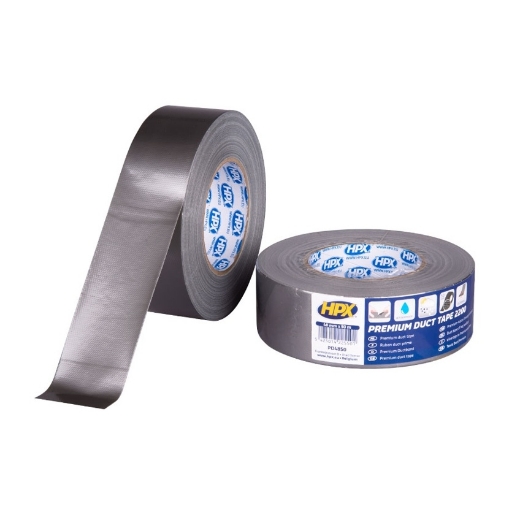
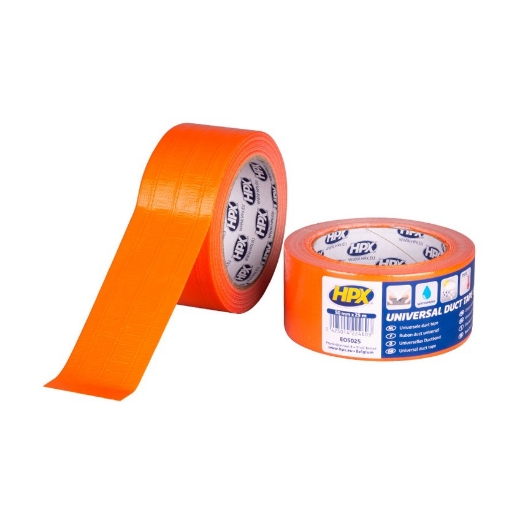
HPX Duct tape 1900 silver, the entry-level choice for repairs, bundling and sealing. Good adhesion on wood, metal and plastic. Tearable by hand. Ideal for the toolbox and quick temporary or permanent solutions.
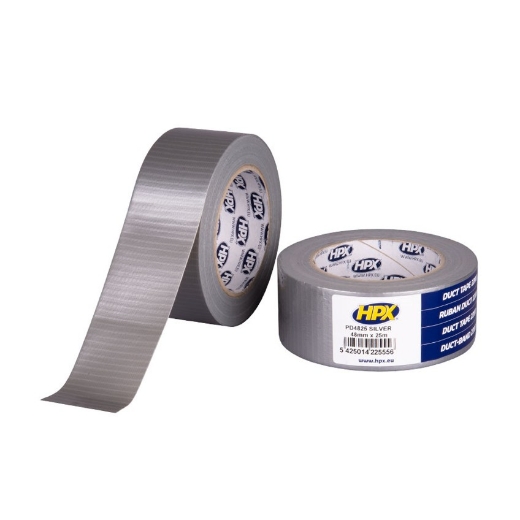
Heavy construction & outdoor applications, Duct tape 2200
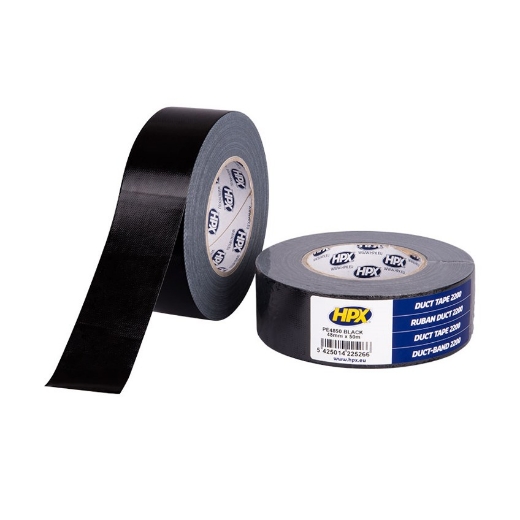
HPX Duct tape 2200, premium version with higher adhesion and abrasion resistance than the 1900. Water-resistant, suitable for indoor and outdoor use. Available in silver (48×25m and 48×50m) and black (48×50m) for discreet applications.
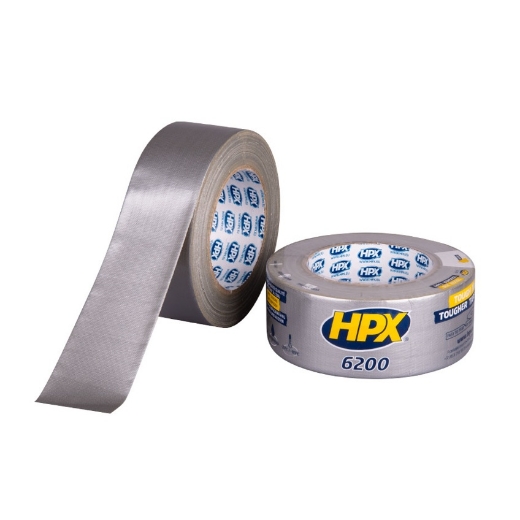
Colour-coding, markings & tailored repairs, Pantser tape 6200
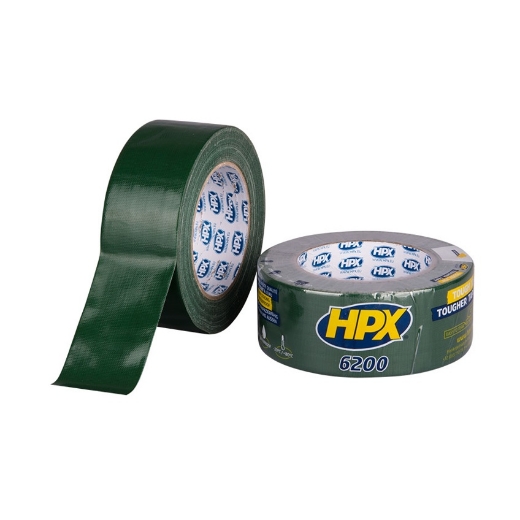
HPX Pantser tape 6200, the same strong fabric structure as duct tape, but available in silver, black, white, yellow, green, light blue, dark blue and red. Ideal for colour-coded fastenings, visible markings and repairs to pipes or tubes. Width: 48mm to 100mm.

Studio, theatre & AV installations, Gaffer tape 6000
HPX Gaffer 6000 tape matte black, non-reflective, light-absorbing black surface. Specially designed for fixing cables and cords in studios, stages and theatres without light reflection. Leaves no residue on floors. Also available as a wide matte black Gaffer tape (48mm×25m).
Duct tape, pantser tape or gaffer tape, the differences explained
The names duct tape, pantser tape and gaffer tape are often used interchangeably, but they are not the same. The difference lies in the backing, the adhesive layer and the surface finish, and these determine which tape is suitable for which application.
- Duct tape 1900 vs 2200, the difference in practice: Both are woven polyethylene tapes with a rubber adhesive layer, but the 2200 has a thicker backing and a more aggressive adhesive. In practice you notice that difference in applications on rougher or less smooth surfaces and during prolonged outdoor exposure. The 1900 is sufficient for most indoor applications and quick repairs; choose the 2200 when the tape has to stay outdoors for weeks or months or when the surface is problematic. Both are tearable by hand, no knife or scissors needed.
- Pantser tape 6200, same backing, different colours and wider sizes: The Pantser tape 6200 is technically comparable to the duct tape series but is released in a wide colour palette (silver, black, white, yellow, green, light blue, dark blue, red) and in wider formats up to 100mm. That combination makes it particularly useful on building sites and in installations where colour-coding is standard, think of pipe identification, marking of zones or colour-coded bundling of cables and hoses. The extra width (75mm and 100mm) is handy for repairs on broad surfaces such as roof penetrations, ventilation ducts or tent tarpaulins.
- Gaffer tape, the big difference with duct tape: The fundamental property of Gaffer tape is the matte, non-reflective finish. Ordinary duct tape has a slightly glossy surface that causes unwanted reflections under studio lighting or stage lighting. Gaffer tape absorbs light. An additional advantage: Gaffer tape leaves little to no adhesive residue on stage floors, scenery and equipment, which also makes it suitable for temporary fixings that have to be removed later without a trace. The Gaffer 6000 (25mm×50m) is the narrower version for cable bundling; the wide Gaffer (48mm×25m) is the standard for broader coverage on stages and in studios.
- All Weather Tape and Max Power, two specialists: In addition to the duct and gaffer tapes, HPX also has the All Weather Tape (48mm×25m, transparent) for repairs where the tape has to remain invisible, think of tent tarpaulins, films, garden parasols and sun awnings. The Max Power Transparent (double-sided, 19mm×16.5m) is an acrylic adhesive tape for permanent mounting of objects on glass, metal and plastic, no screws, no nails, no visible fixing.
- HPX duct tape vs HPX masking tape, do not use interchangeably: A common mistake is using duct tape for masking edges during painting or sealing work. Duct tape leaves an adhesive residue on painted walls and frames that is difficult to remove. For masking when sealing skirting boards, frames and roof edges always use HPX masking tape, which is specially designed to be removed residue-free, even after several days. More about correct sealing: sealing skirting boards and parquet correctly.
- Choosing the width, 48mm is the standard, wider for larger repairs: Most HPX duct tapes are available in 48mm width, that is the industry standard for most DIY and construction applications. The Pantser tape 6200 also comes in 75mm and 100mm for wider seams and repair surfaces. A wider tape does not necessarily give a stronger bond in the same pulling direction, but it does for repairs that have to bridge or seal a larger surface.
Frequently asked questions about HPX duct tapes
What is the difference between HPX Duct tape 1900 and 2200?
What makes Gaffer tape different from ordinary duct tape?
Can I use HPX duct tape outdoors?
What do I use the coloured HPX Pantser tape 6200 for?
Is duct tape suitable for use when sealing skirting boards or frames?
Can duct tape serve as a permanent repair or is it only temporary?
Which HPX tape do I use for fixing objects to glass or metal without drilling?
Posted by the materials expert team of DHZ-Proshop, specialist in fastening materials, tapes & tools. Webshop available 24/7 & collection point in Beerse (province of Antwerp). Questions about the right HPX tape for your project? Contact our team.