08 jan. 2026
Door Kim, vakspecialist bij DHZ-Proshop
4 min leestijd
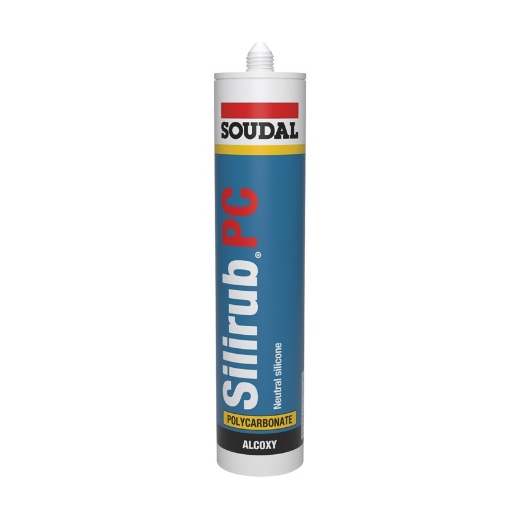
Sealing polycarbonate: why Silirub PC is the only right choice
Polycarbonate sheets are the preferred choice for skylights, verandas, patio covers and industrial cladding thanks to their enormous impact resistance and light transmission. Yet we often see these constructions develop leaks, cracks or unsightly discolouration after a short time. The culprit? The use of the wrong sealant. Polycarbonate is a "living" material that requires a specific silicone sealant which does not build up stress. Discover why Silirub PC is the gold standard for any plastic glazing.
Why are ordinary sealants unsuitable for polycarbonate and Lexan?
Polycarbonate is a thermoplastic, which means it is extremely sensitive to temperature fluctuations. It expands considerably more than glass or metal. When you use a standard sanitary sealant or universal silicone sealant, irreversible problems often arise:
- Stress corrosion: Chemicals in ordinary sealant penetrate the sheet, leading to micro-cracks (crazing) around the sealant edge.
- Hazing: Solvents can permanently dull or discolour the transparent surface.
- Loss of adhesion: Due to the strong thermal movement (expansion and contraction), a less elastic joint simply tears away from the sheet.
- Leakage: Once the sealant comes loose or cracks, moisture has free rein, leading to mould formation inside the multiwall sheets.
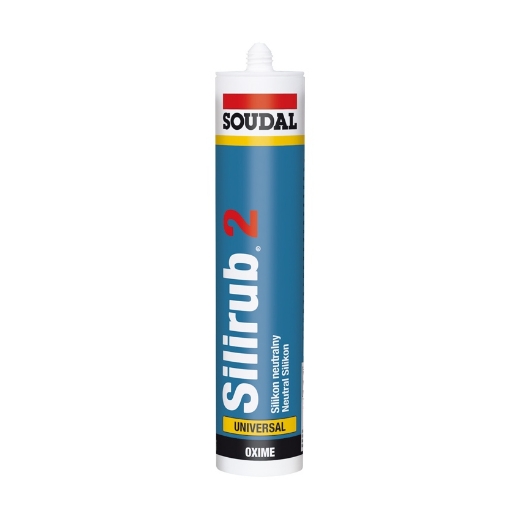
Did you know? Even high-quality neutral construction silicones can contain substances that attack polycarbonate at a molecular level. Therefore, always use a certified PC sealant.
What makes Silirub PC the best sealant for plastic glazing?
Silirub PC is a unique, neutral-curing silicone sealant specifically developed to protect the integrity of polycarbonate sheets while guaranteeing a 100% watertight seal.
Free from aggressive plasticisers and solvents. This keeps your polycarbonate or Lexan sheet clear and free from stress cracks.
With a high movement capacity, this sealant effortlessly follows the 'breathing' of the sheets in heat and frost, without losing strength.
Specially designed for exposure to full sun. The sealant does not yellow, does not harden and remains rain- and wind-resistant for years.
Step-by-step: How to seal polycarbonate professionally
For a durable result when installing a skylight or canopy, follow these steps:
- Preparation: Thoroughly clean the edges of the sheets. Use a soft cloth and a non-aggressive cleaner (e.g. Soudal Cleaner & Degreaser).
- Joint sizing: Ensure a joint width of at least 5mm. This is crucial to accommodate the expansion of the sheets.
- Masking: Use painter's tape for crisp sealant lines, especially with transparent sheets where mistakes are immediately noticeable.
- Application: Apply Silirub PC evenly into the joint. Make sure the sealant fills the full depth for optimal adhesion.
- Finishing: Use Soudal Smoothing Agent. Smooth the joint with light pressure, so that the sealant makes good contact with the flanks.
Important: Polycarbonate must never be "locked" into a frame without room for movement. The sealant joint acts as a shock absorber for the sheet.
Frequently asked questions about sealing polycarbonate (FAQ)
Which sealant should I use for polycarbonate sheets?
For polycarbonate sheets (also known as Lexan or Makrolon) you must always use an acid-free, neutral silicone sealant that has been specifically tested as 'PC-compatible', such as Silirub PC. This prevents stress cracks and damage to the sheet.
Can I use a standard transparent silicone sealant?
No, most standard silicone sealants contain acetic acid or other solvents that break down the chemical structure of polycarbonate. This leads to white spots and brittleness, which can ultimately cause the sheet to crack.
How do I prevent sealant from coming loose from my veranda sheets?
Coming loose is often due to insufficient joint width or poor degreasing. Because plastic sheets move a lot, the sealant joint must be wide enough (at least 5-10mm) to accommodate the expansion without overloading the adhesion surfaces.
Is Silirub PC suitable for Lexan and plexiglass?
Silirub PC is excellently suited for polycarbonate (Lexan). For acrylic (plexiglass) we recommend first carrying out an adhesion test or using a specific sealant for plastics, although Silirub PC performs very well on most transparent plastics.
What is the best temperature for sealing polycarbonate?
The ideal application temperature is between +5°C and +30°C. Preferably seal on a dry day without direct bright sun on the sheets, so that the sheets are in their 'neutral' position during curing.
How do I remove old sealant residue from polycarbonate?
Never use a sharp knife or scraper, as this immediately causes scratches. Use a plastic spatula and a mild sealant remover that is safe for plastics. Always test the remover first on an inconspicuous spot.
Can Silirub PC be overpainted with lacquer?
No, silicone sealants such as Silirub PC repel paint. The sealant is therefore available in a transparent colour, which means it always blends in perfectly with the roof sheets.
Why do bubbles form in the sealant joint?
Bubbles often form when the sealant is applied to a sheet that is too warm or when there is moisture under the sheet that evaporates. Therefore, always work on a dry, cooled surface.
About this guide. We build our buying guides from DHZ-Proshop's real assortment and current product specifications. Products and links are checked automatically against our live catalogue, and the content draws on the hands-on knowledge of our team in Beerse. Questions? Our team in Beerse is happy to help. Last updated on 28/06/2026.