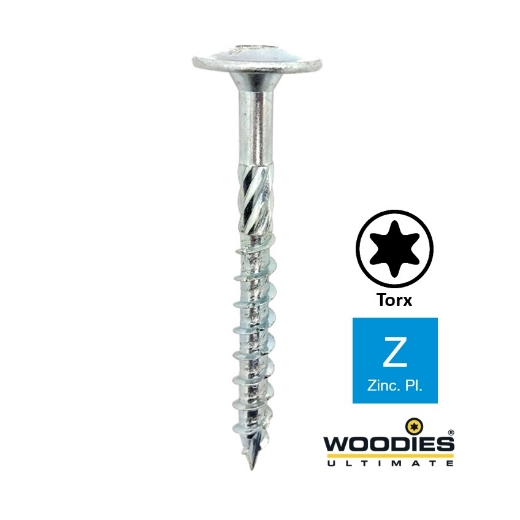
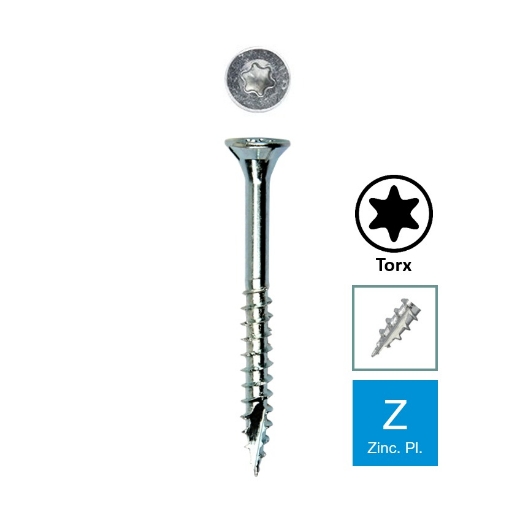
The right structural wood screw depends on the thickness of the timber you're joining and the load the connection carries. For framing and beam-to-beam work you need a 6mm to 8mm diameter screw with a TX30 or TX40 drive, in lengths from 40mm up to 180mm. Partial-thread screws pull two boards tightly together; full-thread screws grip along their entire length for single-piece fixation. A 6mm screw with a shear-relevant diameter handles most decking and stud work, while 8mm screws step up for heavier structural loads.
Which construction screw suits your project? Browse the full range in our structural wood screws category, and use this guide to match diameter, thread and coating to the job.
- Diameter first: 6mm for most framing and decking substructure, 8mm for heavier beam connections.
- Partial thread clamps two timbers together; full thread grips along the whole shank for single-board fixation.
- TX30 drive suits 6mm screws, TX40 suits the heavier 8mm range, both with a self-drilling gimlet point.
- Zinc-plated for general indoor and covered outdoor use, black shield coating for visible outdoor fixings, stainless steel A2/A4 for wet or coastal exposure.
- Never oversize the length: the screw should reach well into the receiving timber without punching through the back face.
Which Structural Wood Screw Fits Which Job?
Match the screw to the job by looking at diameter, thread type and head shape together, not diameter alone. The table below lists the structural (flange head) screws from the Woodies Ultimate range, our go-to line for heavy timber connections.
| Product | Diameter x length | Thread | Drive / finish | Ideal for |
|---|---|---|---|---|
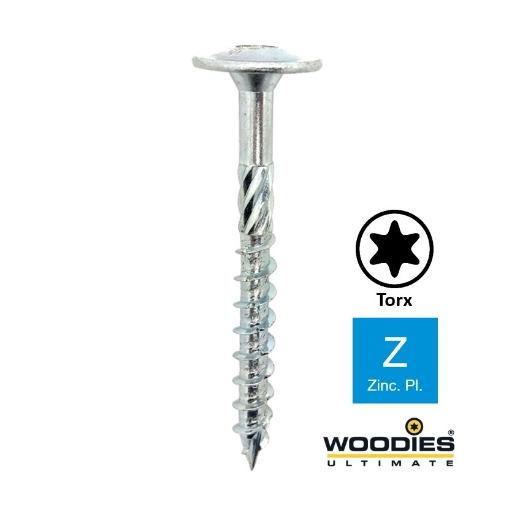
| Woodies Ultimate 6x180/80 | 6mm x 180mm | Partial thread | TX30, zinc-plated | Thick beams, deep structural framing |
| Woodies Ultimate 6x160/80 | 6mm x 160mm | Partial thread | TX30, zinc-plated | Joist and beam connections |
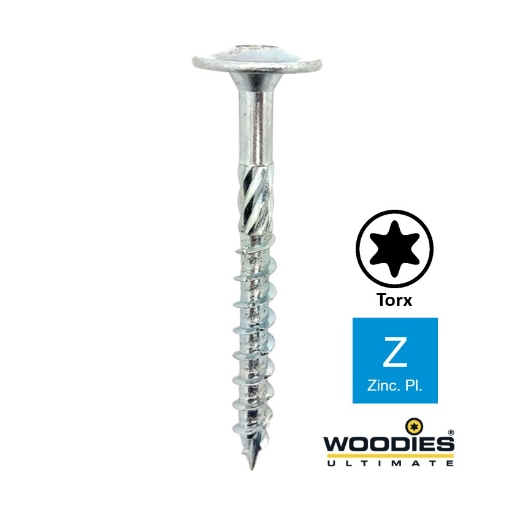
| Woodies Ultimate 6x120/70 | 6mm x 120mm | Partial thread | TX30, zinc-plated | Decking substructure, medium framing |
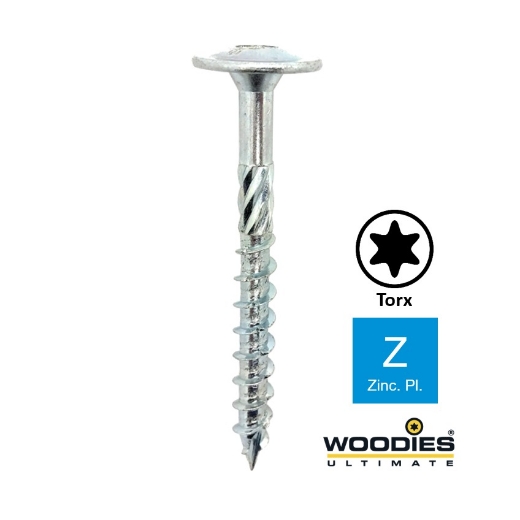
| Woodies Ultimate 8x80/50 | 8mm x 80mm | Partial thread | TX40, zinc-plated | Heavy structural, thick beam-to-beam |
| Woodies Ultimate 8x50 | 8mm x 50mm | Full thread | TX40, zinc-plated | Dense or thinner timber needing full grip |
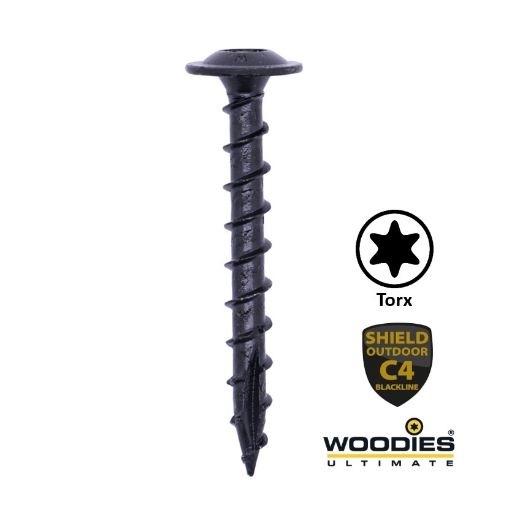
| Woodies Ultimate Blackline 6x60 | 6mm x 60mm | Full thread | TX30, black shield coating | Visible outdoor fixings, black cladding |
| Woodies Ultimate Blackline 6x40 | 6mm x 40mm | Full thread | TX30, black shield coating | Thinner boards, battens, trim on a black finish |
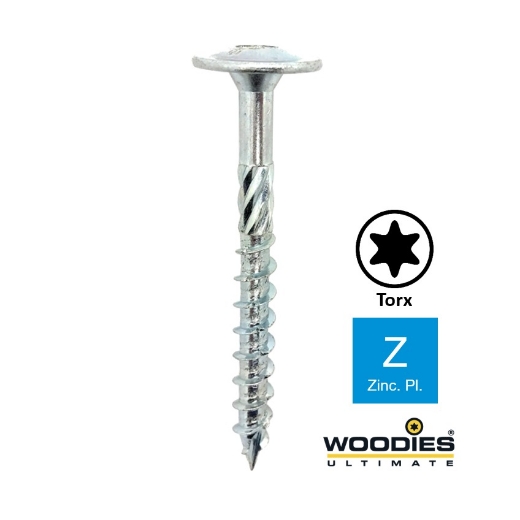
Heavy structural framing
Joining thick beams or deep timber sections? This 6x180/80 partial-thread screw is one of our most chosen options for solid, deep-reaching connections.
Extra thick beam-to-beam
For the heaviest loads, step up to 8mm diameter. The TX40 drive delivers more torque without cam-out, even in dense hardwood.
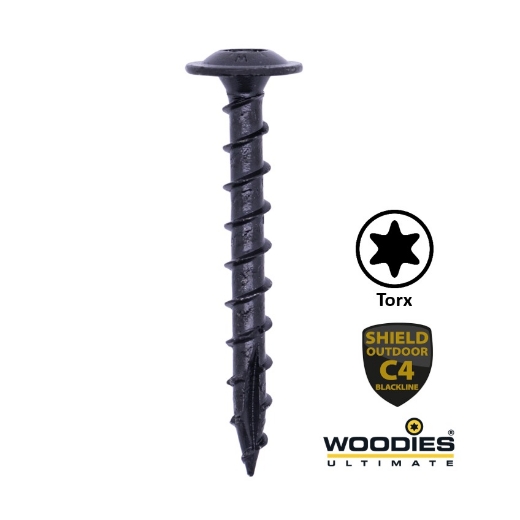
Visible outdoor black finish
Terrace posts, black cladding or a fixing left in view: the Blackline shield coating keeps the head dark and blends into the timber.
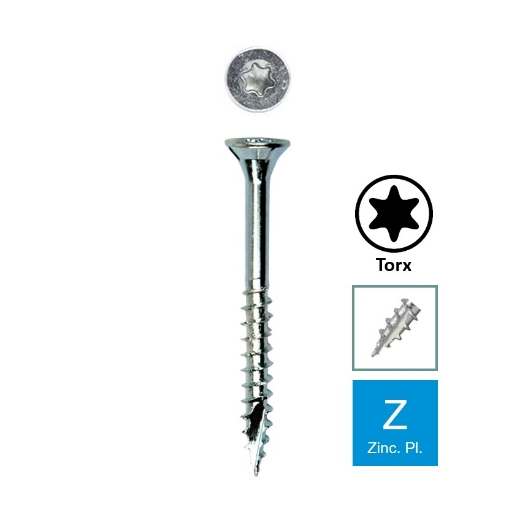
Lighter wood joinery
Not every job needs a flange-head structural screw. For lighter frames and furniture, a countersunk wood screw with a flush finish does the job.
How Long Should a Structural Wood Screw Be?
The screw needs to pass through the top timber and reach solidly into the receiving piece, without breaking through the far side. As a working rule, look for a screw long enough to sink at least two-thirds of its shank into the receiving member. Our range runs from 40mm right up to 180mm, so short battens and deep beams are both covered.
Notice the double figure in a product name, such as 6x180/80. The first number is the diameter, the second the total length, and the third (where present) is the length of the threaded section. A 6x180/80 screw is 180mm long overall with 80mm of thread near the tip, leaving a smooth shank that lets the head pull the top board down tight instead of just spinning in place.
Partial Thread or Full Thread: Which One for Your Connection?
Partial thread clamps two separate timbers together; full thread grips a single piece along its entire length. On a partial-thread screw such as the 6x120/70, the smooth top section lets the head draw the upper board hard against the one underneath as it's driven in, exactly what you want when joining two separate members. A full-thread screw like the 8x50 bites the whole way down, which suits fixing into one dense piece of timber or where you need resistance to backing out over time.
Shear strength scales mainly with diameter and steel quality, not length. An 8mm TX40 screw carries noticeably more lateral load than a 6mm TX30 screw, which is why the 8mm range is reserved for the heaviest structural connections. For decking joists or stud framing, a 6mm screw is generally sufficient; for beam splices and load-bearing junctions, size up to 8mm.
In our Beerse store, tradesmen almost always reach for the partial-thread 6mm screws when joining two timbers, and switch to full thread only when they're fixing into a single, denser piece.DHZ-Proshop vakteam, Beerse
Structural Wood Screws vs Lag Bolts and Deck Screws: What's the Difference?
Structural wood screws replace lag bolts in most timber-to-timber connections because they need no pre-drilled pilot hole for the shank and no separate washer. A lag bolt uses a hex head that needs a wrench or socket and typically requires a pre-drilled hole matched to its diameter; a structural screw such as the TX30 or TX40 range self-drills with its gimlet point and drives with a standard impact driver, which is faster on site and just as strong for the framing loads most DIY and trade jobs involve.
Compared with ordinary deck screws, structural wood screws have a thicker shank and a countersunk or flange head engineered to handle shear and withdrawal loads, not just to hold decking boards flat. A standard deck-style wood screw at 4mm to 5mm thickness is fine for fixing boards to joists, but it isn't rated for beam splices, ledger connections or post bases, where the 6mm to 8mm structural range is the correct choice.
Which Head Shape and Drive Suit Structural Screws?
Structural screws use a flange (tellerkop) head with a TX30 or TX40 Torx drive, giving a wide bearing surface and high torque transfer without stripping the recess. The flange spreads the clamping force over a larger area of timber than a standard countersunk head, which matters when the screw is doing structural work rather than just holding a panel flat.
TX30 covers the 6mm diameter range, while TX40 is matched to the 8mm screws, giving the driver bit enough surface contact to push the larger screw home without cam-out. Standard wood screws in our range, by contrast, use a countersunk head with a TX20 or TX25 drive, sized for lighter joinery where a flush, near-invisible finish matters more than raw holding power.
Zinc, Black Shield or Stainless Steel: Which Coating Do You Need?
Choose the coating based on where the connection sits and whether it will stay visible. Zinc-plated screws suit indoor framing and covered outdoor structures, where moisture exposure is limited. Black shield coating adds a dark, weather-resistant finish for terrace posts, cladding and any fixing left in view outdoors, matching the timber rather than standing out.
For wet, coastal or highly exposed conditions, stainless steel is the safer call. Our range includes wood screws in inox A2 and inox A4, the latter offering stronger resistance in salt-laden or permanently damp environments. A4 is the one to reach for near swimming pools, coastal terraces or anywhere de-icing salt is used.
Common Mistakes When Choosing Structural Screws
- Using full thread to join two timbers: the threaded tip grips both pieces instead of pulling them tight, leaving a gap between the boards.
- Picking 6mm for heavy beam splices: once loads get serious, step up to 8mm; diameter, not length, is what carries shear force.
- Mixing zinc screws into wet or coastal locations: zinc plating corrodes faster in salt air or standing moisture; use stainless A2 or A4 instead.
- Skipping the drive size: forcing a TX30 bit into work meant for TX40 (or vice versa) strips the recess and stalls the driver mid-drive.
Browse the complete range in our structural wood screws category to compare every length and finish side by side.
Frequently Asked Questions About Structural Wood Screws
What are structural wood screws used for?
Structural wood screws vs lag bolts: what's the difference?
Structural wood screws vs deck screws: which one for decking?
Does shear strength matter when picking a structural screw?
Which structural screw length works best for framing?
Do I need to pre-drill for structural wood screws?
Compiled by the professional team at DHZ-Proshop, your DIY and trade supplier with a shop and pickup point in Beerse. What we advise most often in the store is to check diameter and thread type before length: get those two right, and the connection holds. Questions about matching a screw to your project? Contact our team or browse the full structural wood screws category.