Which Drill Bit for Which Material? (Quick guide: wood, metal, masonry and tiles)
You choose the drill bit by the material, not by the size alone. In short: a wood bit (with a centring point) for wood and board, an HSS metal bit for metal, stainless steel and plastic, a masonry or concrete bit with a carbide tip for walls and concrete, and a tile or diamond bit for tiles, porcelain and ceramics. The wrong bit not only drills slower, it splinters wood, burns in metal or cracks your tile. The tip, the flute and the bit material are each matched to one type of base material.
Which drill bit should you use for your job? In the drill bit range at DHZ-Proshop you will find wood bits, metal bits, masonry bits, tile bits and diamond bits, each for a different material and a different machine. This guide lines them up quickly.
Overview: which bit for which material?
Browse the full drill bit range in our webshop. The table links the material to the right type of bit.
| Material | Best bit | Feature |
|---|---|---|
| Wood, chipboard, MDF | Wood bit | Centring point + cutting lips, no hammer mode |
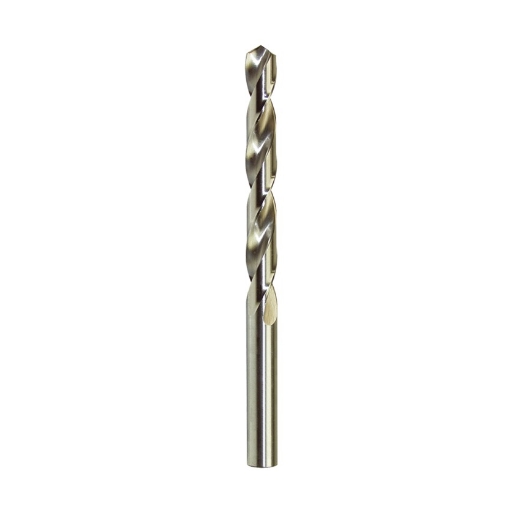
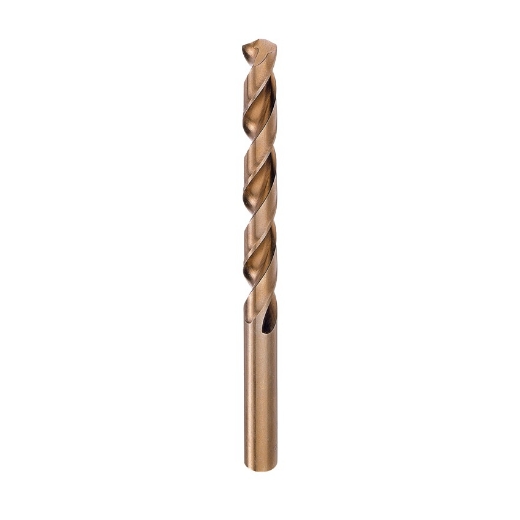
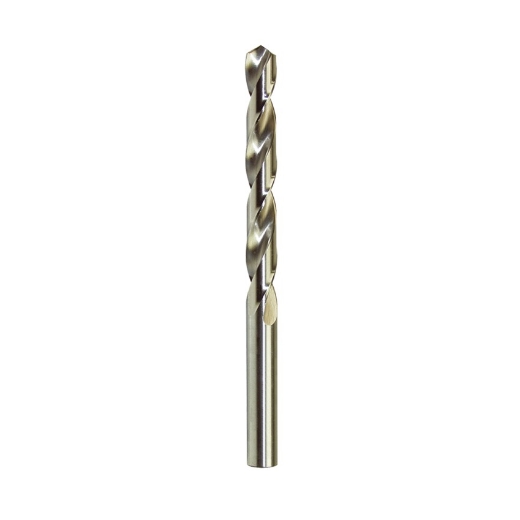
| Steel, stainless, aluminium, plastic | HSS metal bit | 118°/135° point, HSS-G or cobalt for stainless |
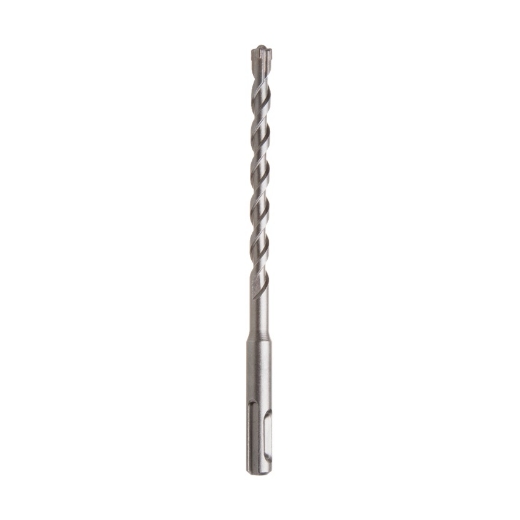
| Brick, block, concrete | Masonry or concrete bit | Carbide tip, with hammer function |
| Tiles, porcelain, ceramics, glass | Tile or diamond bit | Spear point or diamond rim, no hammer mode |
Wood and board
Plank, beam, chipboard or MDF? The wood bit with a centring point positions itself and drills a clean, straight hole without wandering.
Metal and stainless
Steel, aluminium or stainless steel? An HSS metal bit (cobalt for stainless) drills cool and clean, at the right speed.
Masonry and concrete
Wall, brick or concrete for a plug? A masonry/concrete bit with a carbide tip and hammer mode powers straight through.
Tiles and porcelain
Wall or floor tile, porcelain or ceramic? A tile or diamond bit drills without hammer mode, so the tile does not crack.
Start with the material and the machine
The first question is not "what size", but "what material and with which machine". Wood, metal, masonry and tiles each call for a different tip design, a different flute and a different bit material. Your machine also shapes the choice: an ordinary drill or cordless screwdriver rotates, while a hammer drill or rotary hammer also strikes. Masonry and concrete you want to drill with hammer mode; wood, metal and tiles precisely without.
If you use the wrong bit on the wrong material, you notice it immediately: a masonry bit in metal slips and goes blunt, a metal bit in concrete overheats and dulls, and a hammer bit in a tile cracks it. Material, bit type and machine setting belong together.
Wood, chipboard and MDF: the wood bit
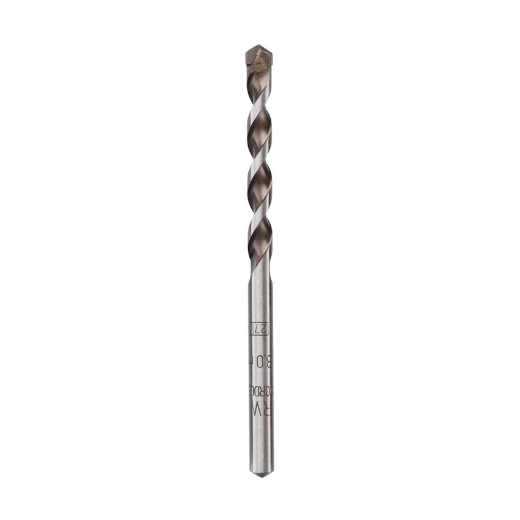
For wood, plywood, chipboard and MDF, use a wood bit. The recognisable centring point in the middle sets the bit exactly in place so it does not wander, and the two sharp cutting lips shave a clean hole without tear-out. For deeper holes or larger diameters, auger bits and spade bits clear the chips well.
Important: always drill wood without hammer mode. Hammer mode is for masonry; in wood it only creates a rough, torn hole. For a clean exit, place a piece of scrap wood behind the workpiece so the back does not break out.
Metal, stainless and plastic: the HSS metal bit
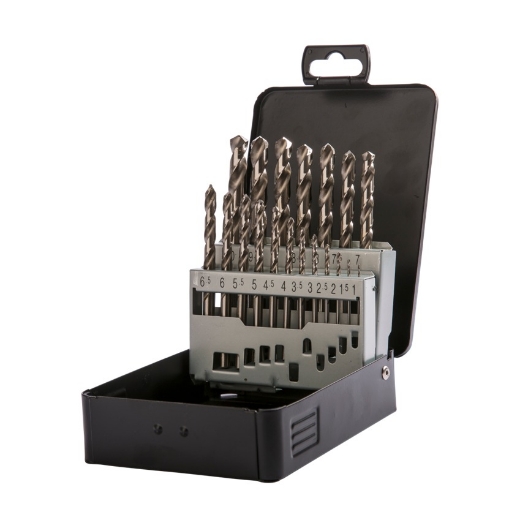
For steel, aluminium, copper and plastic, the HSS metal bit is the standard. HSS (High Speed Steel) withstands the heat generated when drilling metal. For tougher work, and certainly for stainless steel, choose a stronger version: HSS-G (ground) or, better still, a cobalt bit (HSS-Co) that copes with the heat and hardness of stainless.
The secret with metal is speed and cooling: the larger the diameter or the harder the material, the lower the speed. Drilling too fast in stainless work-hardens the surface and dulls the bit. Use cutting oil or a coolant, apply constant pressure and drill without hammer mode. For plastic the same principle as metal applies: moderate speed so the material does not melt or crack.
Masonry, brick and concrete: the masonry or concrete bit
For walls, brick, block and concrete, use a masonry bit (also called a concrete bit) with a carbide tip. That tip crushes the grain of the masonry, while your machine's hammer or rotary-hammer function delivers the blow. In soft masonry a hammer drill is enough; in solid concrete you work faster with an SDS rotary hammer and matching SDS bits.
If you drill for a plug, the bit size must be exactly equal to the plug diameter, not larger (see below). For a through-hole in an external wall, think of long bits or an extension. For very hard or reinforced concrete there are reinforced versions that also handle rebar, but for diamond hole saws and core drilling look at diamond bits.
Tiles, porcelain and ceramics: tile or diamond bit
Tiles are hard and brittle, so the rule is simple: never drill in hammer mode. For ordinary wall tiles and softer ceramics a tile bit with a sharp spear point is enough; it cuts the glaze cleanly without cracking it. For hard porcelain stoneware, natural stone and glass, choose a diamond bit: the diamond-coated rim grinds coolly through the hardest material.
Always work at low speed with water as coolant, especially with diamond bits: the cooling clears the swarf and prevents overheating of the bit and cracking of the tile. Stick a piece of masking tape on the glaze so the point does not skate when you start. For larger openings (taps, pipes), use a tile hole saw or diamond hole saw.
Bit size per plug: do not drill larger
If you drill for a plug, the plug determines the bit size, and it must be exact. A hole that is too large lets the plug spin or pull out; the holding power disappears. The rule of thumb: the bit diameter equals the plug diameter.
| Plug | Bit size | Typical screw |
|---|---|---|
| Plug 5 | 5 mm | 3.0 – 4.0 mm |
| Plug 6 | 6 mm | 3.5 – 5.0 mm |
| Plug 8 | 8 mm | 4.5 – 6.0 mm |
| Plug 10 | 10 mm | 6.0 – 8.0 mm |
If you are unsure about the right plug for your base material, read our guide on plugs and anchors by base material. When in doubt, drill one size smaller and test: opening up is always possible, a hole that is too large is not.
Common mistakes
- Drilling in hammer mode in wood, metal or tiles: hammer mode is only for masonry and concrete. In other materials you splinter or crack the workpiece.
- A masonry bit in metal (or the other way around): every bit tip is matched to one material. The wrong combination slips, goes blunt or burns.
- Drilling too fast in stainless: high speed work-hardens the surface and dulls the bit. Low speed, pressure and cooling are the key.
- Drilling too large for a plug: the hole must be exactly the plug size, otherwise the plug spins and loses its grip.
Browse the full selection via our drill bit range or find all your tools and building materials in Belgium on the DHZ-Proshop webshop.
Frequently asked questions about drill bits
Which drill bit do I use for concrete or a wall?
Which drill bit for stainless steel?
Which drill bit for tiles without cracking them?
Which drill bit for plasterboard?
Which bit size goes with plug 6, 8 or 10?
Can I drill in hammer mode in wood or metal?
Posted by the tool expert at DHZ-Proshop, your specialist in drill bits: wood bits, metal bits (HSS and cobalt), masonry and concrete bits, tile bits and diamond bits. Webshop available 24/7 and pickup point in Beerse. A question about the right bit for your material? Contact our team or browse our full drill bit range.