Why Do Regular Screws Crack Plastic? (And Which Screw Actually Works)
Regular screws crack plastic because their thread shape and tightening behaviour push too much stress into a material that forgives less than wood or metal. The safest choice is a dedicated plastic screw such as the plasfast screw: a blunt tip and a thread with a 30° flank angle reduce the radial stress, increase the pull-out force and give optimal grip without damaging the material. Combine that with the right pilot hole, a load-spreading head shape and controlled tightening, and the cracks stay away.
Why do regular screws crack plastic? Plastic fails differently than wood. Instead of giving way and gripping like wood fibres, plastic can split, craze or crack when a screw builds too much stress around the hole. A screw that feels completely normal in wood can be destructive in plastic. In this guide you read exactly why that happens and which screws do the job properly.
Overview: regular screw versus plastic screw
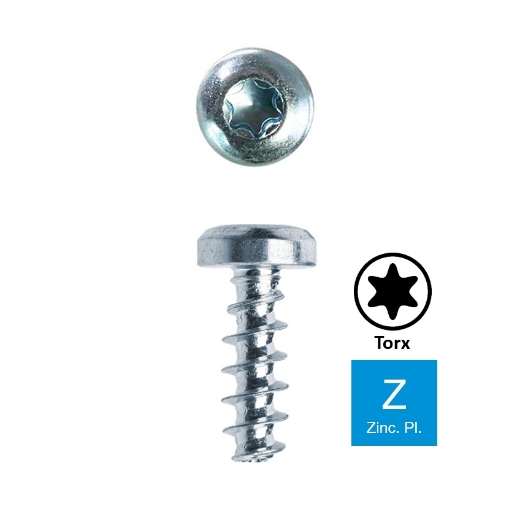
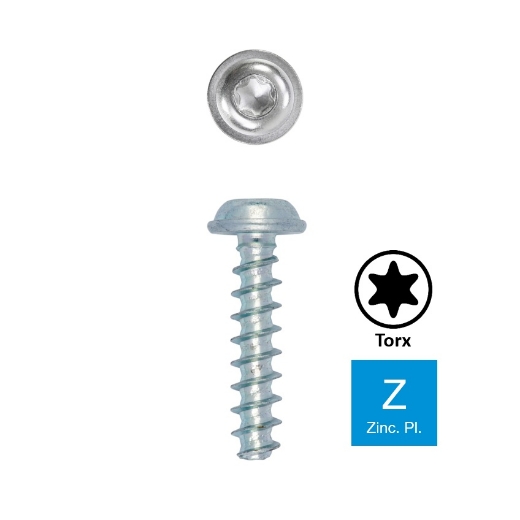
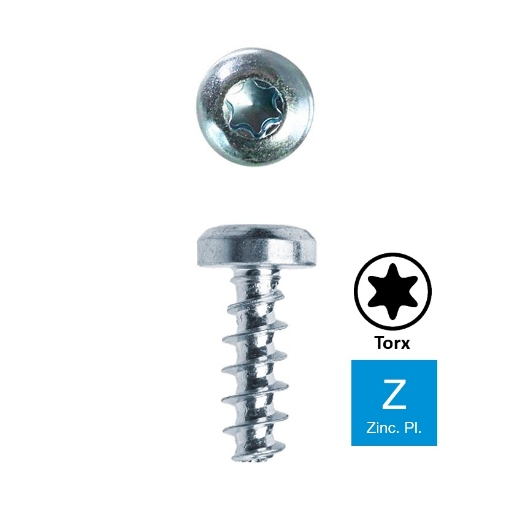
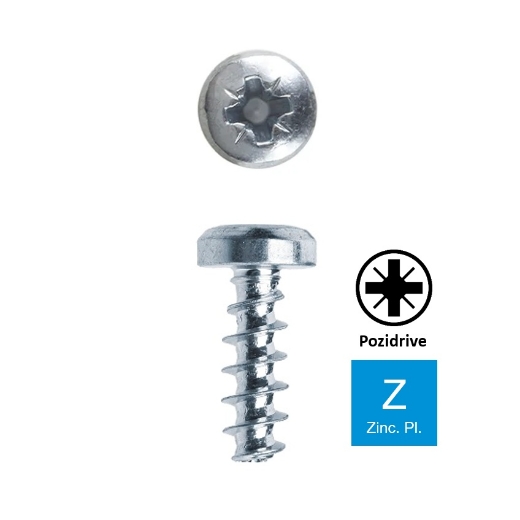
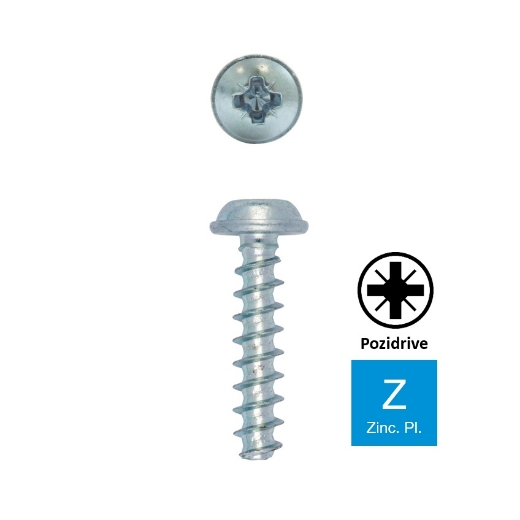
Browse the full plastic fastening range in our webshop: plasfast screws with pan head or flat washer-style head, in zinc-plated and stainless steel (inox), for indoor and outdoor projects. The table below shows why the difference with a regular screw is so big.
| Feature | Regular wood or metal screw | Plasfast plastic screw |
|---|---|---|
| Tip | Sharp, enters aggressively | Blunt, grips without wedging the material apart |
| Thread | Made for wood or metal, too coarse or too sharp | 30° flank angle, less radial stress, higher pull-out force |
| Stress in the hole | High: wedges and splits the plastic around the hole | Low: forms its thread with minimal damage |
| Locking | Loosens as the plastic shrinks and expands | High self-locking capacity, higher load rating |
| Result | Cracks during installation or months later | Strong, durable joint without damage |
Why plastic reacts so differently
Plastic is more sensitive to stress concentration than wood. It has no fibres to redistribute the load, so a screw can start a microscopic crack that begins small and grows quickly. Temperature plays a part too: plastic expands and contracts more than metal, so a joint that looks fine at installation can come under stress months later as the environment changes.
Some plastics are also brittle or age under the influence of heat and UV. The older and more brittle the material, the more vulnerable it becomes when a regular screw is forced into the hole. The fastener must therefore suit not only the shape of the part but also the plastic type itself.
The screws that crack plastic most often
- Standard wood screws: their thread profile is made for wood fibres, not plastic. They bite too aggressively and split a wall or boss.
- Sheet metal screws: designed to cut into metal, not to form a plastic-friendly thread. In brittle plastic they cause visible cracks around the hole, already during installation.
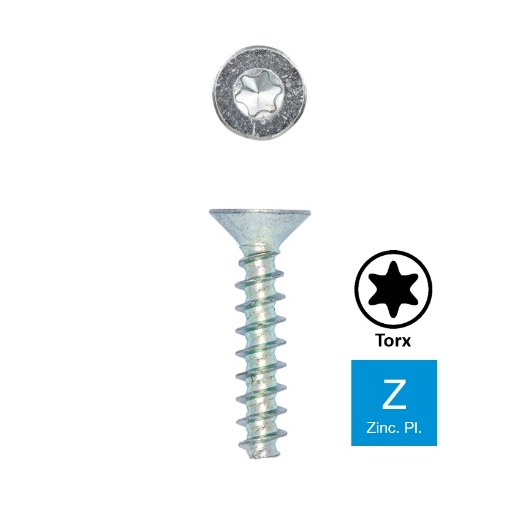
- Countersunk heads, over-tightened: the tapered head works like a wedge and builds hoop stress around the opening. In brittle or aged plastic that is a classic crack starter.
Head shape is therefore not a detail: it co-determines how the stress spreads through the part. A countersunk head can look neat and still deliver exactly the stress the plastic cannot handle.
What a plasfast screw does differently
Plasfast screws are specially designed for a strong, durable joint in plastic, and the difference comes down to three concrete features:
- Blunt tip: the screw engages without aggressively forcing the plastic apart. No wedging action, no crack start at first contact.
- Thread with a 30° flank angle: a far slimmer thread angle than on regular screws, which reduces the radial stress in the hole and at the same time delivers a higher pull-out force.
- High self-locking capacity: the joint stays put, even under vibration and as the plastic expands and contracts, which makes it able to carry a higher load.
The screw forms its own thread in the plastic instead of cutting it away. That gives maximum grip with minimal damage, during installation and over the long term. View the plasfast screws in our range, available with pan head or flat washer-style head.
Head shape and washers: spread the force
The head shape controls how the clamping force is spread over the plastic surface. A pan head or flat washer-style head distributes the pressure over a wider area and lowers the risk of pull-through or surface cracking, the head should support the plastic, not pry it open. A countersunk head can stay where a flush finish is truly needed, but then with a properly formed countersink and controlled tightening; visual neatness should never outrank mechanical safety.
Washers are particularly useful in plastic: they spread the load and prevent the screw head from digging into soft or brittle material. That pays off especially with thin plastic, with holes close to an edge and with broader loads. If the screw already has a wide washer-style head, a separate washer is often unnecessary, but where extra protection is needed, you'll find suitable washers in our range.
Pre-drilling and torque: the two hidden crack makers
Even with a dedicated plastic screw, the pilot hole still matters. Drilled too small, it raises the insertion force and the cracking risk; drilled too large, it reduces holding power. The practical guideline for plasfast screws: a hole diameter of about 0.8 × the screw diameter, and for certain plastics 0.88 × the diameter. For a 3.5 mm screw, that gives a drill of around 2.8 mm. The thicker, more brittle or more valuable the plastic, the more important pre-drilling becomes.
Over-tightening is one of the fastest ways to crack plastic. Plastic does not forgive extra torque the way wood often does: a screw can look fine as it goes in and still fail the part through too much clamping stress, especially in thin walls.
Reuse, indoors and outdoors
Reinstalling into an existing hole is risky if the old thread is already damaged or stretched. The practical trick: place the screw in the hole and first turn it backwards briefly until you feel it drop into the existing thread path, then drive it in. That way the screw follows the old thread instead of cutting a new one. If the hole is already loose or the plastic aged and brittle, a plasfast screw or an insert-based repair is a better solution than forcing the original screw back in.
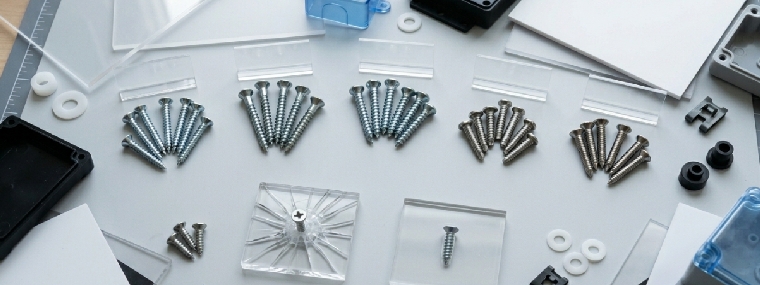
Indoor assemblies see little weather, so zinc-plated plasfast screws are adequate there in many cases. For outdoors, stainless steel (inox) is the safer choice: it resists moisture, condensation and temperature cycling over the long term. Important: corrosion resistance alone does not prevent cracking, you still need the right thread form, head shape, pilot hole and tightening technique.
Common mistakes when screwing into plastic
- The wrong screw "because it's already there": a wood screw bites too aggressively and a metal screw cuts cracks around the hole that grow later. In plastic, "close enough" is exactly what causes the crack.
- Underestimating torque and head shape: too much torque splits the part, even with the right screw, secure is not the same as maximally tightened. And a countersunk head looks neat but wedges more stress into the material than a pan head or washer-style head.
- Forgetting the pilot hole and the material: skipping pre-drilling is one of the biggest causes of cracks (keep to roughly 0.8 × the screw diameter), and aged, brittle or UV-weathered plastic tolerates less stress than new.
Fast decision logic
- Soft plastic, light-duty joint: a plastic screw with a blunt tip.
- Brittle or aged plastic: wide head, correct pilot hole and low torque.
- Outdoors or damp: choose the stainless version.
- Load spreading needed: pan head or flat washer-style head instead of a countersunk head, with a washer if necessary.
That is how you avoid cracks without making the job more complicated than it needs to be. Browse the full selection via our plastic fastening category or start at the DHZ-Proshop webshop.
Frequently asked questions about screwing into plastic
Why does plastic crack when you drive in a screw?
Which screw do I use for plastic?
What makes a plasfast screw different from a regular screw?
Do I need to pre-drill in plastic?
How tight can I drive a screw into plastic?
Which head shape is safest for plastic?
When do I use a washer with plastic?
Can I reuse a screw in an existing hole in plastic?
Zinc-plated or stainless for screws in plastic?
Does old plastic crack faster than new?
Posted by the fastening expert at DHZ-Proshop, your specialist in plasfast screws, plastic fasteners, washers and stainless screws. Webshop available 24/7 and pick-up point in Beerse. Questions about the right screw for your plastic project? Contact our team or browse our complete range of fasteners.