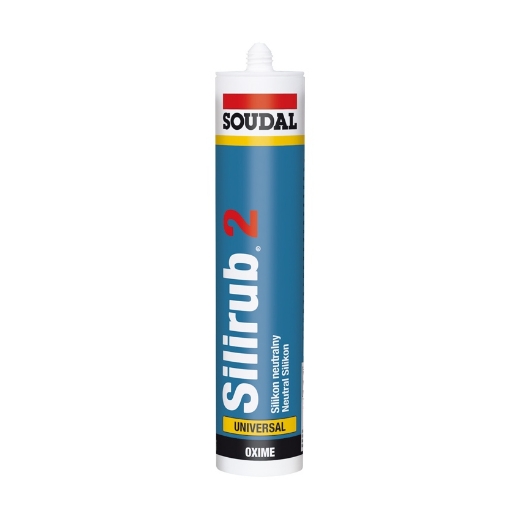
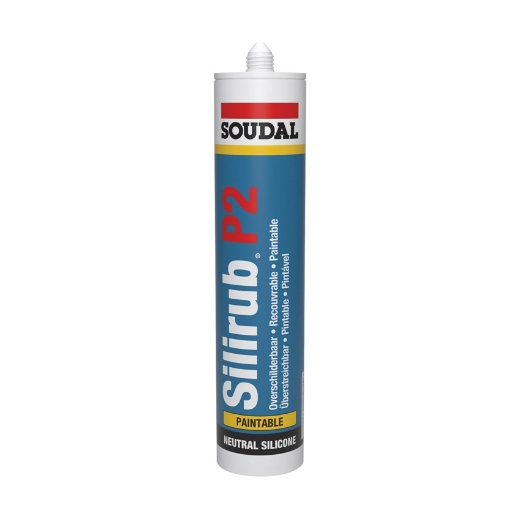
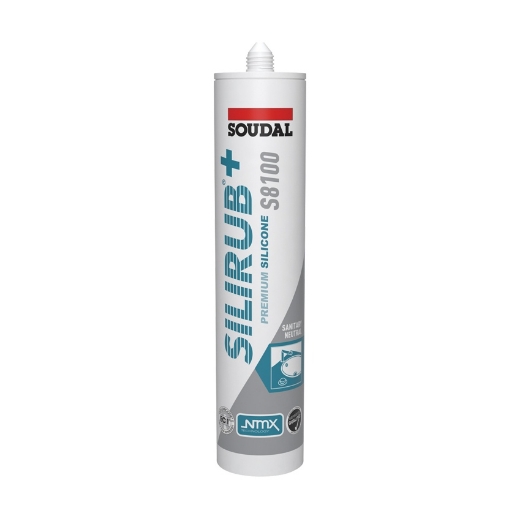
Why does sealant come loose? Sealant coming loose is rarely a manufacturing fault, in almost all cases the cause lies in preparation, product choice or joint build-up. Below you will find the 4 main causes with their direct solution, followed by the full explanation of all 7 causes and what you do step by step for a new joint that does hold.
What is the cause in your case?, quick diagnosis
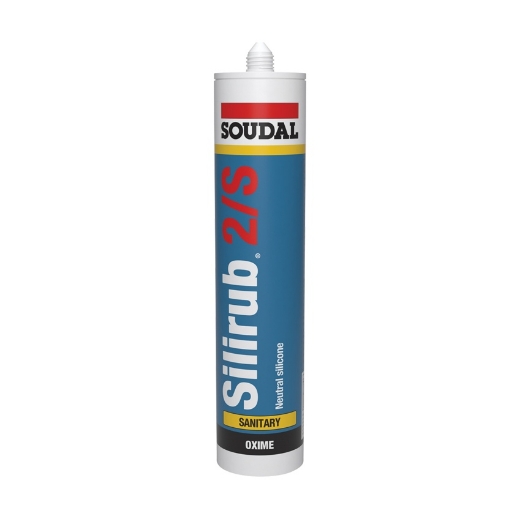
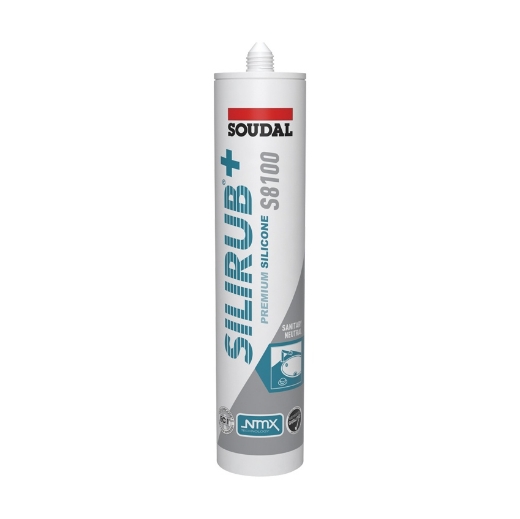
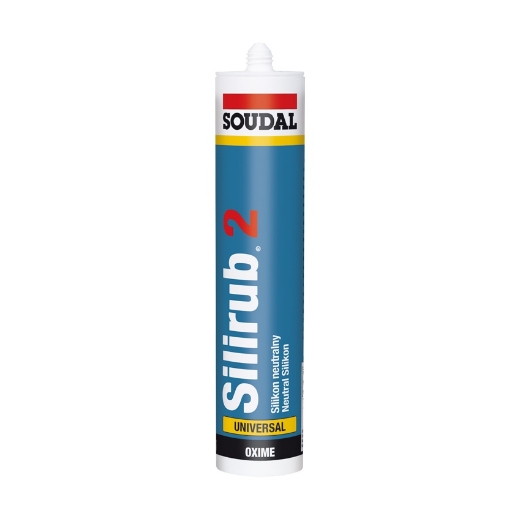
Browse the full Soudal joint sealant range in our webshop. For the complete step-by-step plan for re-sealing: removing old sealant.
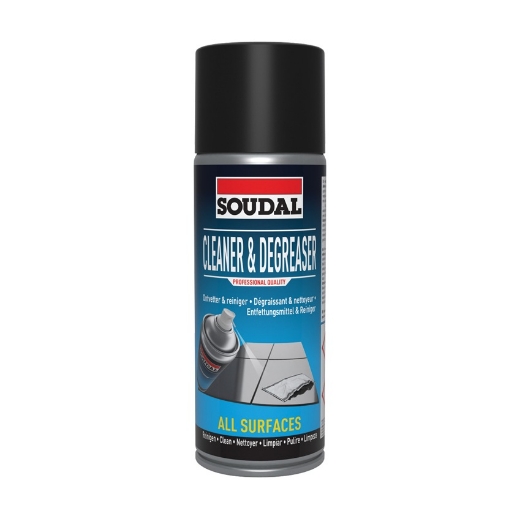
Sealant comes loose at the edges → poor substrate preparation
The most common cause: soap residue, dust, grease or wood preservative on the substrate prevent the sealant from bonding. Sealant bonds chemically, a contaminated surface breaks that bond instantly. Solution: remove the loose sealant completely, clean and degrease thoroughly with Soudal Cleaner & Degreaser, let it dry completely and only then apply new sealant. Degreasing is not optional, it is mandatory, even on seemingly clean substrates.
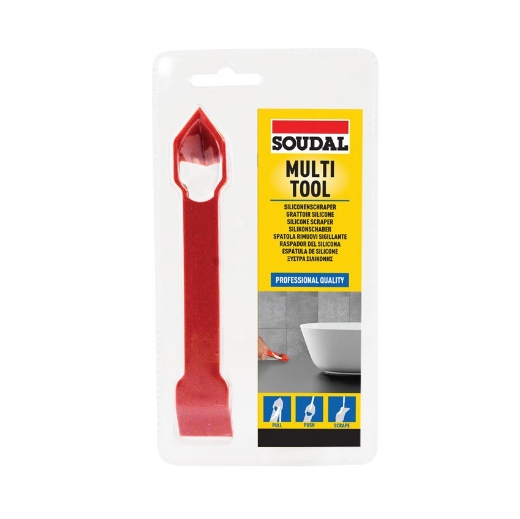
Sealant comes loose on old sealant → never seal over old sealant
New silicone sealant does not bond to cured silicone, not even of the same brand. Anyone who applies new sealant over the old one without removing it is guaranteed to get edge separation after a few months. Solution: cut the old sealant loose with the Soudal Multi Tool, remove stubborn residue with silicone remover and then degrease completely. Complete step-by-step plan: removing old sealant.
Sealant tears loose from within → wrong sealant or incorrect joint build-up
If the sealant itself tears (not at the edge but in the middle of the joint) or comes loose due to cracks in the sealant layer, there is a mismatch between the movement in the joint and the properties of the sealant. Acrylic sealant in a moving exterior joint, a sealant with too low a movement class, or three-sided adhesion due to the absence of a PE backer profile. Solution: choose the right sealant (outdoors min. class 25) and the correct joint build-up. More: the correct joint width and choosing the right joint sealant.
Sealant comes loose after showering → moisture or loading too early
Sealant cures from the outside in. The surface skin is already dry while the core is still soft. Wetting or loading it too early breaks the adhesion at the edges before the sealant has fully cured. In showers and bathrooms, waiting 48 hours after application is the minimum rule, longer for deep joints. Residual moisture in the joint before sealing is also a common mistake. Solution: dry the substrate completely first (min. 24h after cleaning), wait at least 24–48h after sealing. More: how long does sealant need to dry.
All 7 causes of sealant coming loose, full overview
Sealant coming loose almost always has a combination of causes. Recognise them all to prevent recurrence on the new joint.
- The substrate is greasy or dirty: Soap residue, dust, silicone oil (from spray or a previous product), grease residue or wood preservative prevent chemical adhesion. Even a thin film of grease, invisible to the eye, is enough to block adhesion. Always use Soudal Cleaner & Degreaser as the final step before sealing, even if the substrate looks clean.
- The substrate was still wet or damp: Moisture in the joint, including condensation, prevents the sealant from bonding optimally to mineral substrates. In showers and bathrooms, residual moisture easily lingers in seams after use. Wait at least 24 hours with dry ventilation after cleaning before applying sealant, and never onto a surface that is still visibly damp.
- Wrong type of sealant for the application: Acrylic sealant in wet areas absorbs moisture and loses its adhesion. Standard silicones on natural stone cause edge-zone staining and can weaken adhesion on porous stone through plasticiser migration. A sealant with too low a movement class (e.g. class 12.5) in an exterior frame joint will tear due to the movement of the joinery. Consult our guides choosing the right joint sealant and silicone vs acrylic.
- Old sealant residue not completely removed: New silicone sealant does not bond to cured silicone, this is a chemical property, not a manufacturing fault. Even a thin residual film is enough to block adhesion. After mechanically removing the bulk with the Soudal Multi Tool, always use silicone remover for the final residual film. Then degrease as well. Complete step-by-step plan: removing old sealant.
- Sealant applied too thinly or unevenly: A sealant layer that is too thin (under 3 mm) has insufficient mass for a stable adhesion zone. Uneven thickness, thick in the middle, thin at the edges, causes stress differences and edge separation precisely at the thinnest points. Work with masking tape along both joint edges for an even joint, and smooth off immediately with a smoothing tool.
- Three-sided adhesion: Sealant should bond to two sides of the joint, not to the bottom. If the sealant also adheres to the joint base, it cannot deform during movement and tears within the sealant layer itself. This occurs in joints that are filled too deeply without a PU or PE backer profile. Always use a PU or PE backer profile in joints deeper than 10 mm. More explanation: the correct joint width.
- Loaded or wetted too early: Silicone sealant and hybrid sealant cure from the outside in at approximately 2–3 mm per 24 hours. The surface skin feels dry while the core is still soft. Showering too early (before 24–48 hours), mechanical loading or wetting breaks the adhesion at the edges before it is fully formed. In cold conditions (below 10 °C) the curing time doubles. More: how long does sealant need to dry.
Frequently asked questions about sealant coming loose
Can I simply touch up loose sealant edges?
Why does sealant come loose in the shower even though I used the same sealant as last time?
Does silicone sealant bond to cured silicone?
What is the consequence of wetting too early after sealing?
Which sealant do I use after correctly removing and cleaning?
How do I prevent the new joint from coming loose again too?
Posted by the Soudal sealant expert at DHZ-Proshop, your specialist in fasteners, adhesives & silicones. Webshop available 24/7 & collection point in Beerse (province of Antwerp). Unsure about the cause of the problem with your joint or which sealant you need? Contact our team.