Nuts
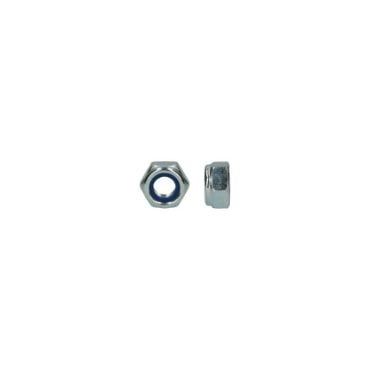
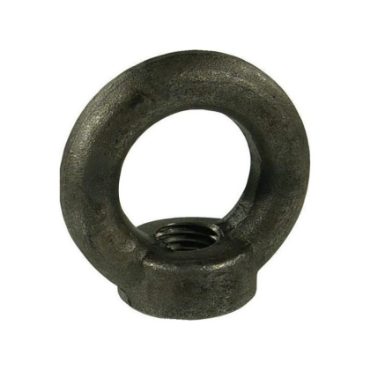
A nut that shakes itself loose is a classic on machinery and anything that moves – for that you reach for a lock nut with a nylon insert (Din 985) rather than a plain hex nut with a loose spring washer. The range runs from standard hex and dome nuts to wing nuts you turn by hand and eye nuts (Din 582) for hooking something on. For the material, what matters most is where the nut ends up: zinc-plated steel indoors, A2 stainless outdoors, and A4 only really for salt water or pool chlorine – for an ordinary garden job A4 is dearer than you need. Always match nut and bolt in the same strength class and thread, or the weaker one strips first. The across-flats size is separate from the thread: an M12 nut usually takes SW19.
Need a thread in thin sheet or tube? Then you need a blind rivet nut, which you set from one side.

Products
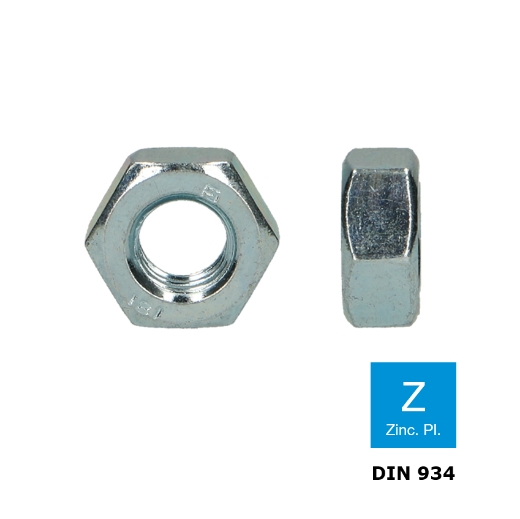
Hex nut Din 934 M3 zinc plated CL.8 (S5.5)
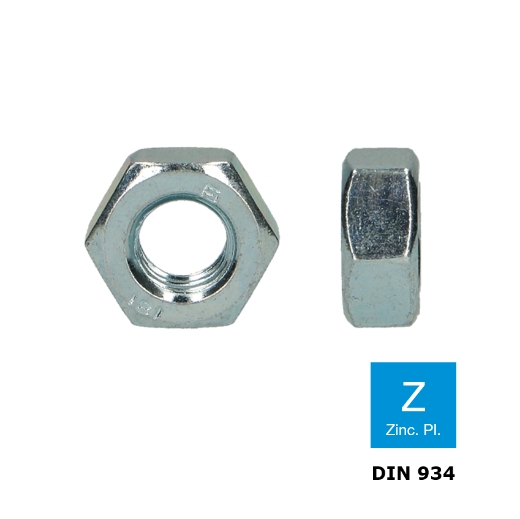
Hex nut Din 934 M4 zinc plated CL.8 (S7)
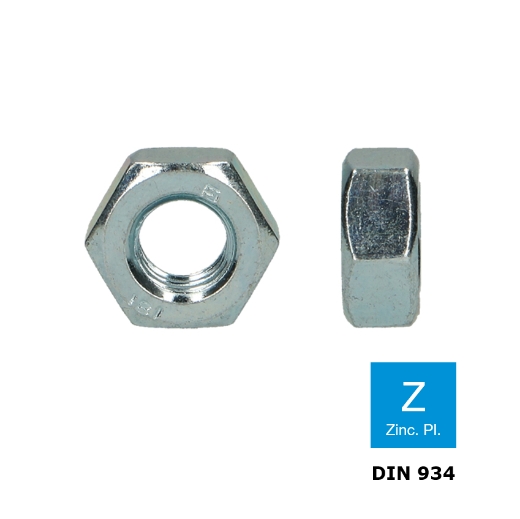
Hex nut Din 934 M5 zinc plated CL.8 (S8)
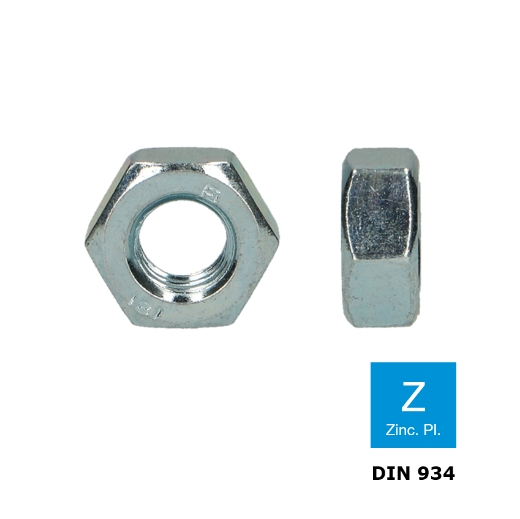
Hex nut Din 934 M6 zinc plated CL.8 (S10)
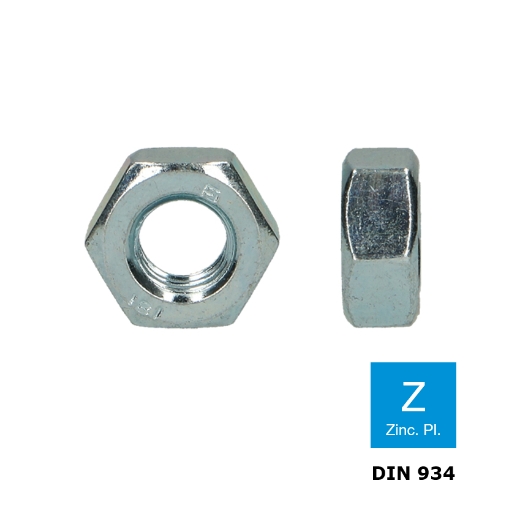
Hex nut Din 934 M7 zinc plated CL.8 (S11)
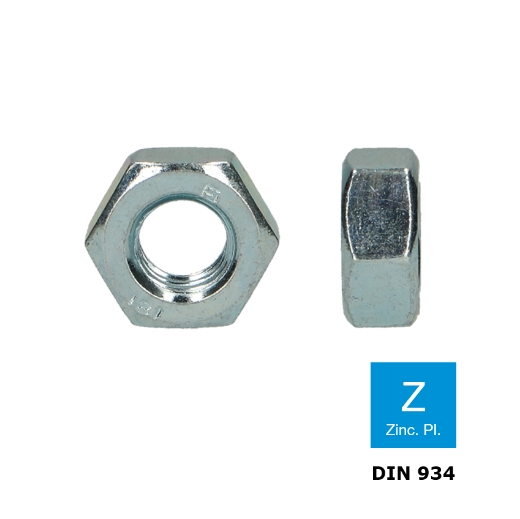
Hex nut Din 934 M8 zinc plated CL.8 (S13)
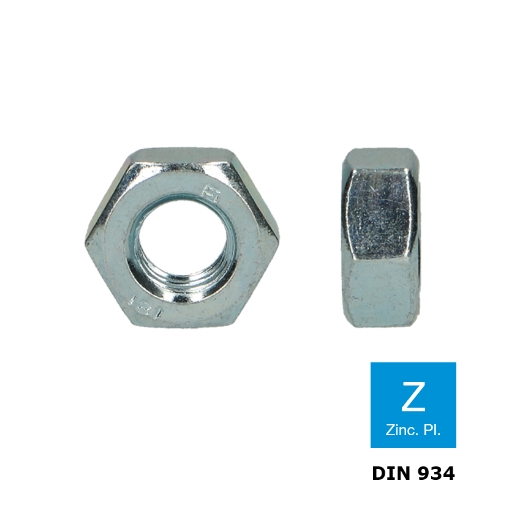
Hex nut Din 934 M10 zinc plated CL.8 (S17)
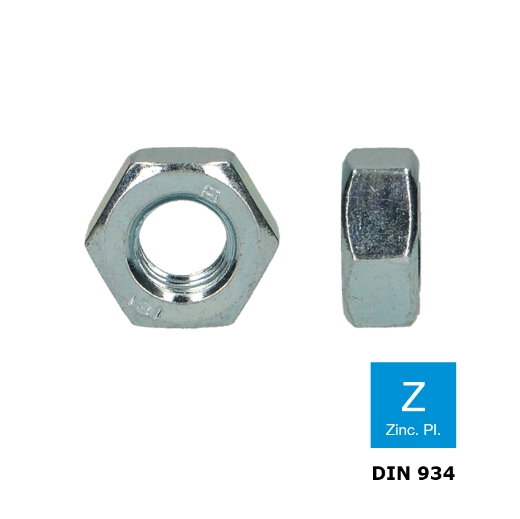
Hex nut Din 934 M12 zinc plated CL.8 (S19)
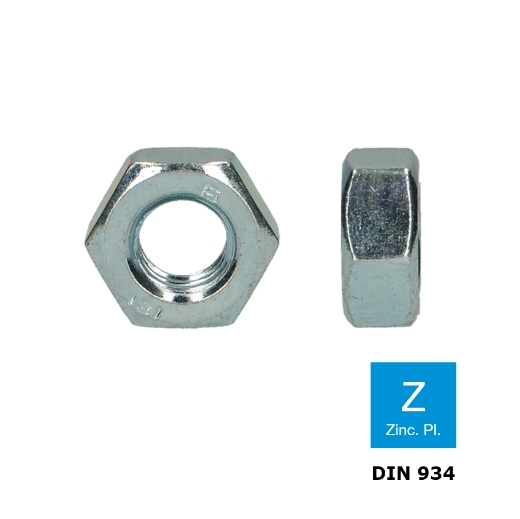
Hex nut Din 934 M14 zinc plated CL.8 (S22)
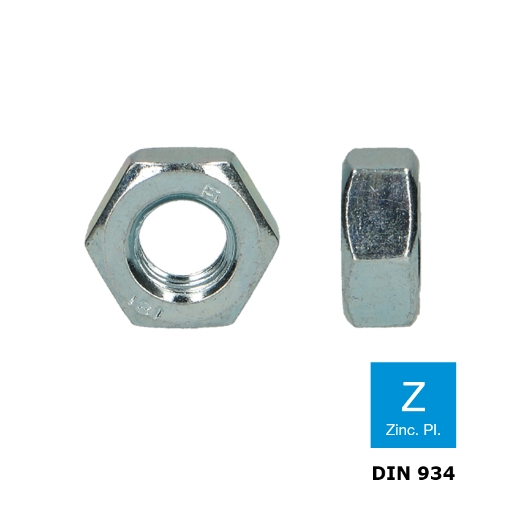
Hex nut Din 934 M16 zinc plated CL.8 (S24)
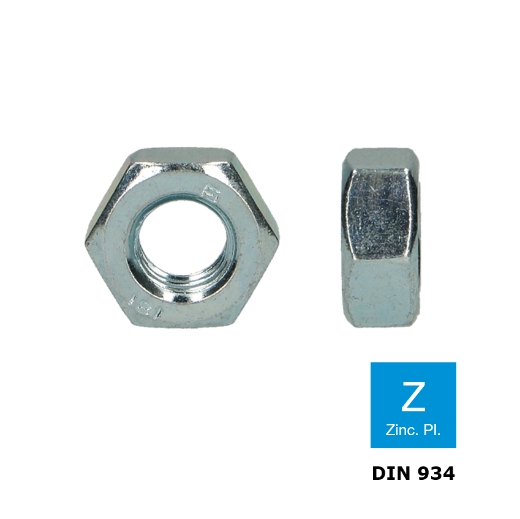
Hex nut Din 934 M18 zinc plated CL.8 (S27)
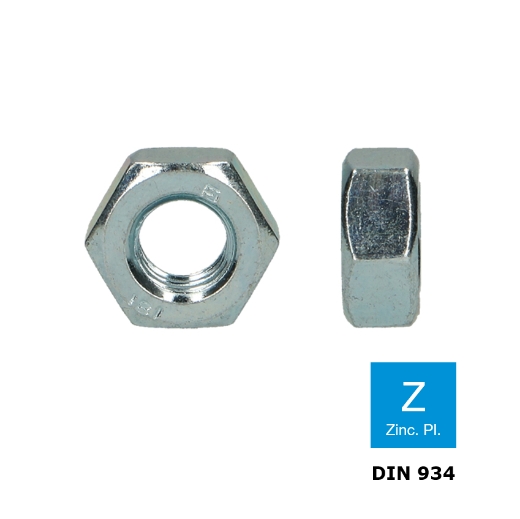
Hex nut Din 934 M20 zinc plated CL.8 (S30)
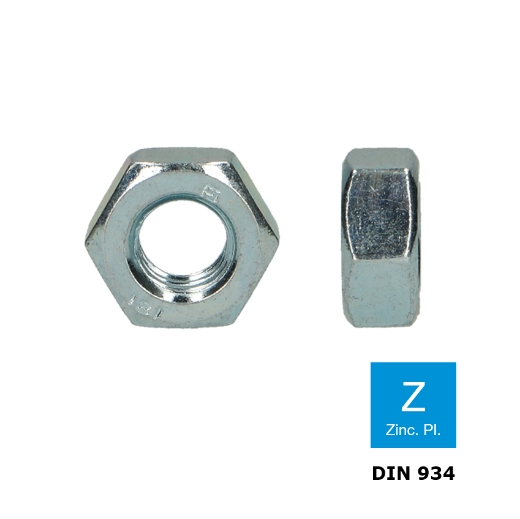
Hex nut Din 934 M22 zinc plated CL.8 (S32)
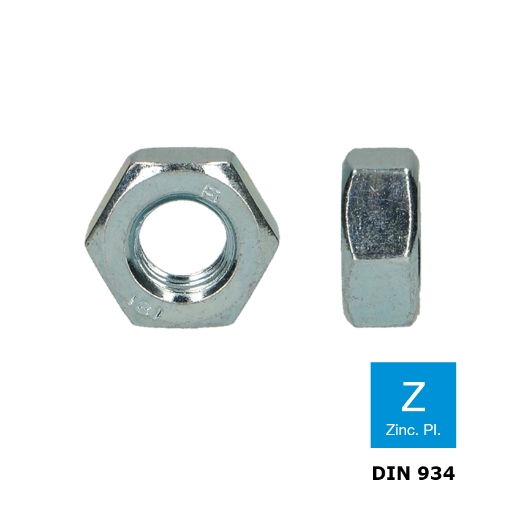
Hex nut Din 934 M24 zinc plated CL.8 (S36)
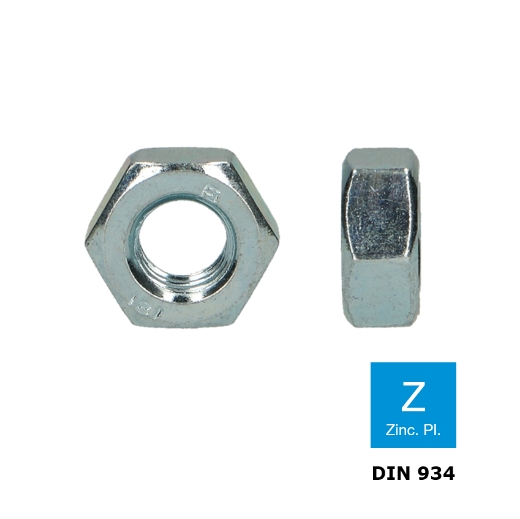
Hex nut Din 934 M27 zinc plated CL.8 (S41)
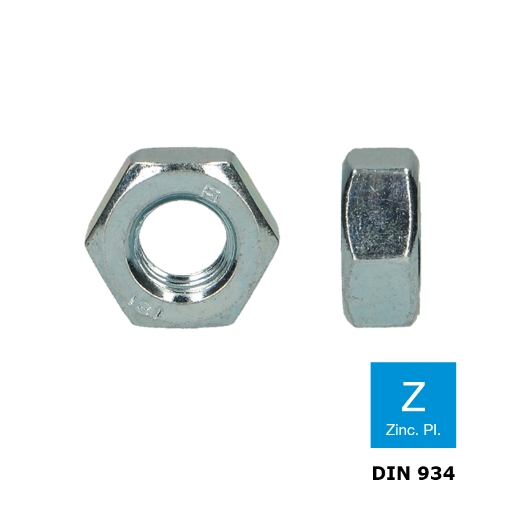
Hex nut Din 934 M30 zinc plated CL.8 (S46)
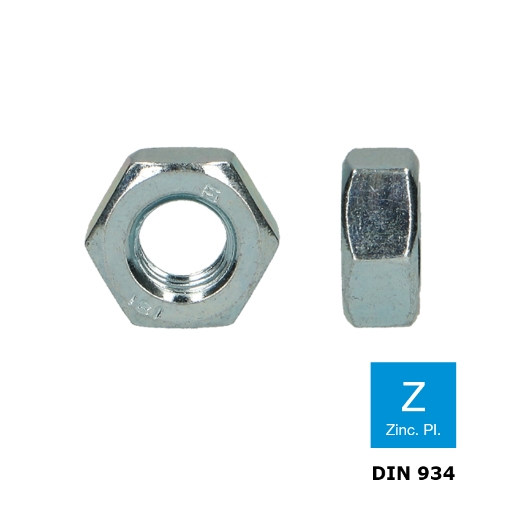
Hex nut Din 934 M33 zinc plated CL.8 (S50)
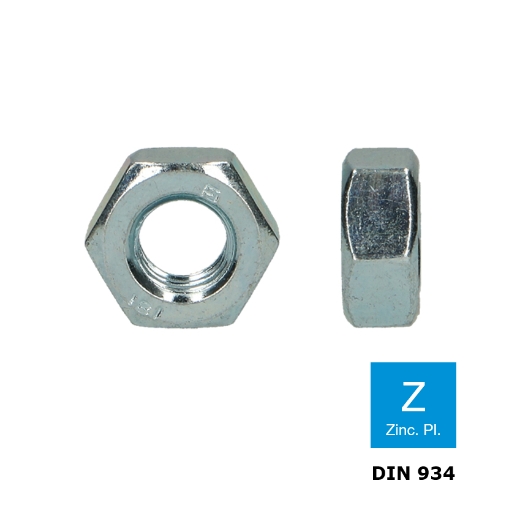
Hex nut Din 934 M36 zinc plated CL.8 (S55)
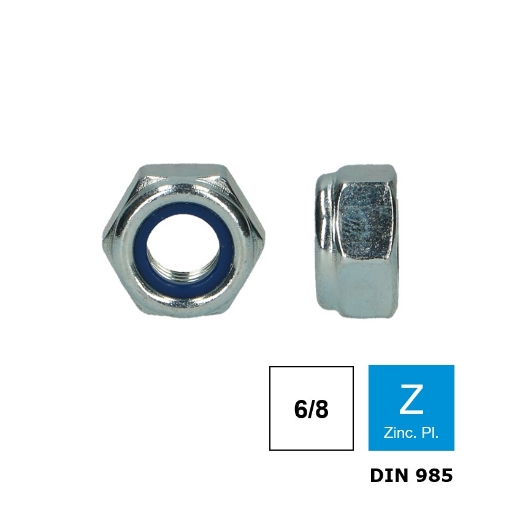
200st. Hex lock nut Din 985 M3 zinc plated 6/8 (S5.5)
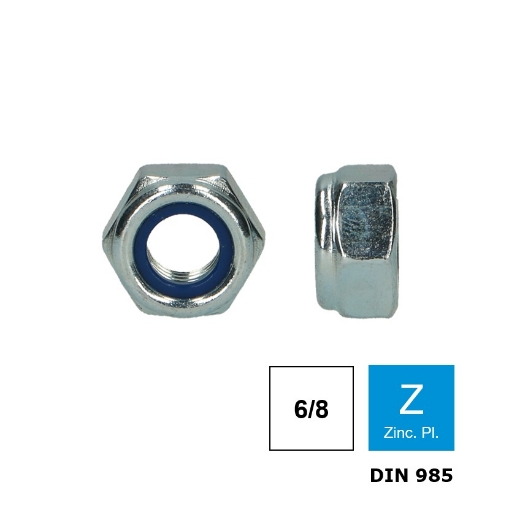
Hex lock nut Din 985 M4 zinc plated 6/8 (S7)
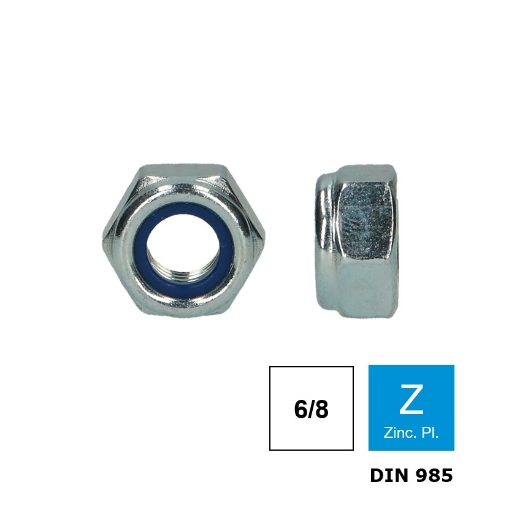
Hex lock nut Din 985 M5 zinc plated 6/8 (S8)
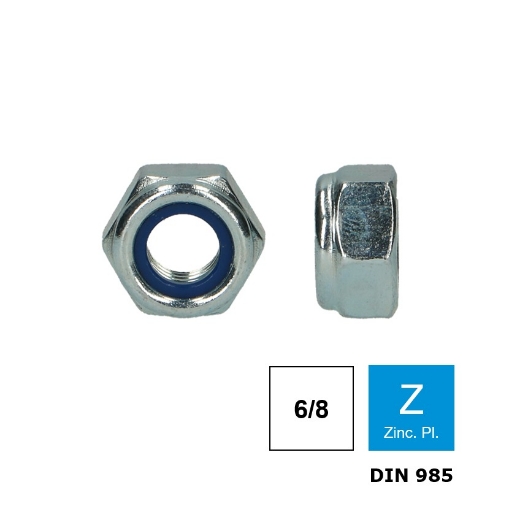
Hex lock nut Din 985 M6 zinc plated 6/8 (S10)
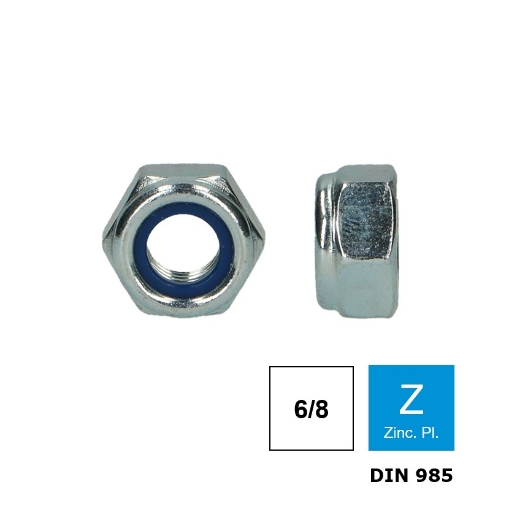
Hex lock nut Din 985 M8 zinc plated 6/8 (S13)

Hex lock nut Din 985 M10 zinc plated 6/8 (S17)
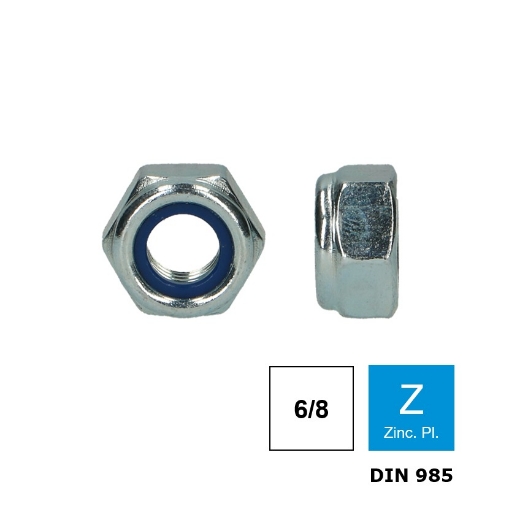
Hex lock nut Din 985 M12 zinc plated 6/8 (S19)
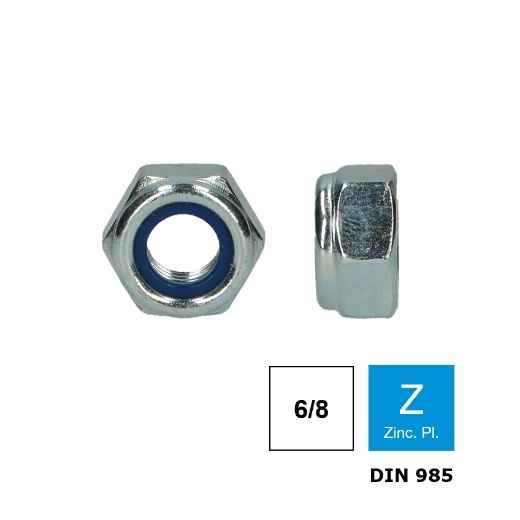
Hex lock nut Din 985 M14 zinc plated 6/8 (S22)
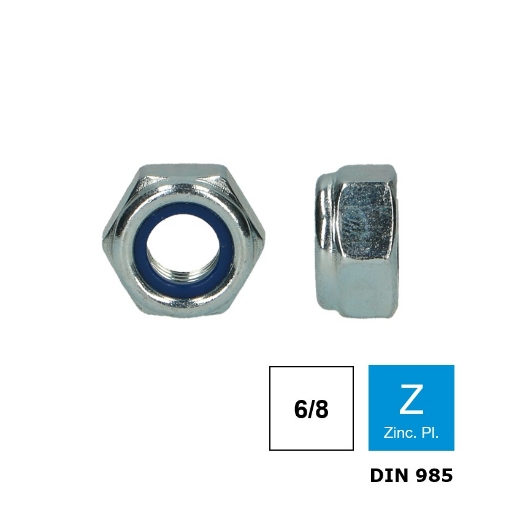
Hex lock nut Din 985 M16 zinc plated 6/8 (S24)
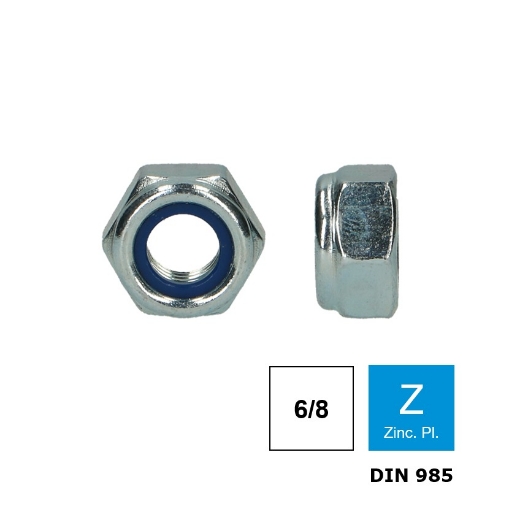
Hex lock nut Din 985 M18 zinc plated 6/8 (S27)
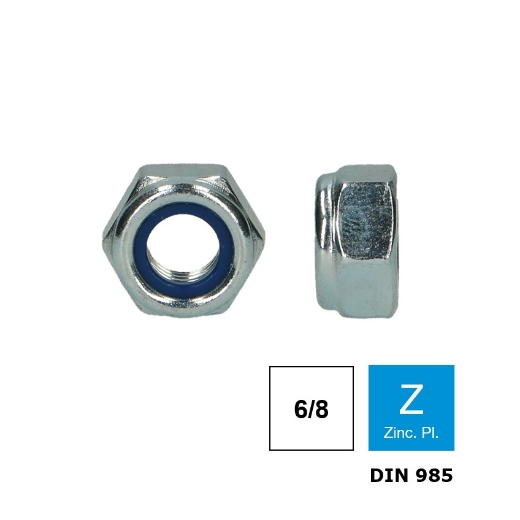
Hex lock nut Din 985 M20 zinc plated 6/8 (S30)
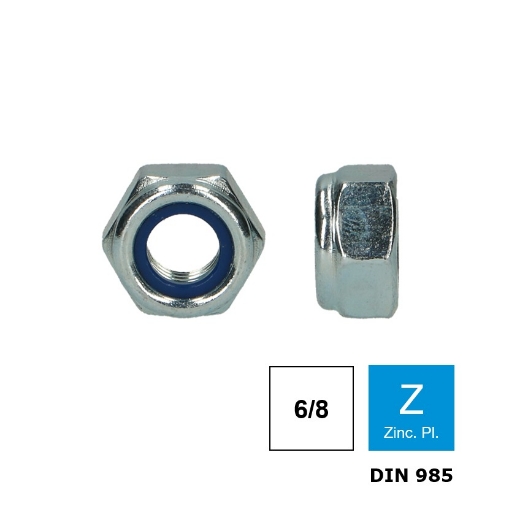
Hex lock nut Din 985 M22 zinc plated 6/8 (S32)
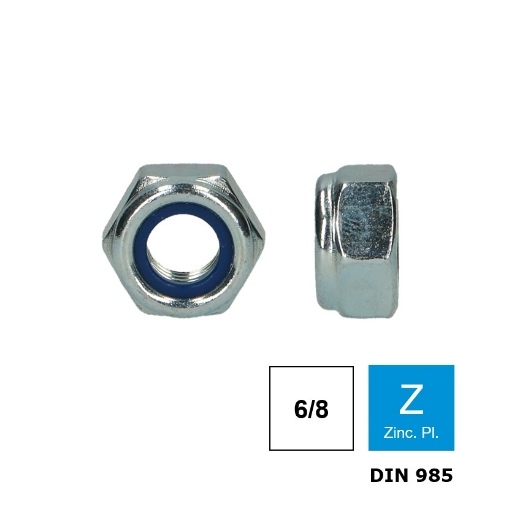
Hex lock nut Din 985 M24 zinc plated 6/8 (S36)
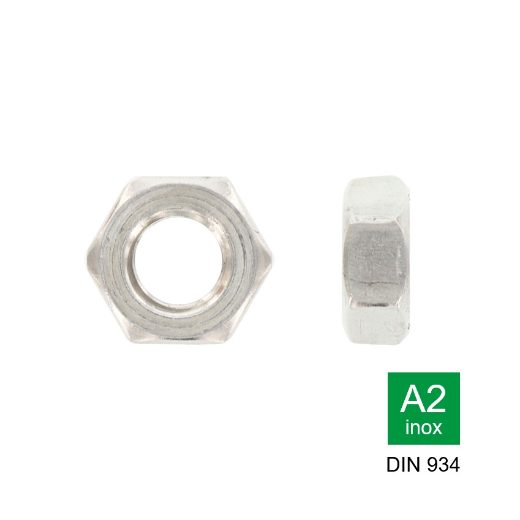
Hex nut Din 934 M2 stainless steel A2
Hex nut Din 934 M2.3 stainless steel A2
Hex nut Din 934 M2.5 stainless steel A2
Hex nut Din 934 M2.6 stainless steel A2
Hexagon nut Din 934 M3 stainless steel A2
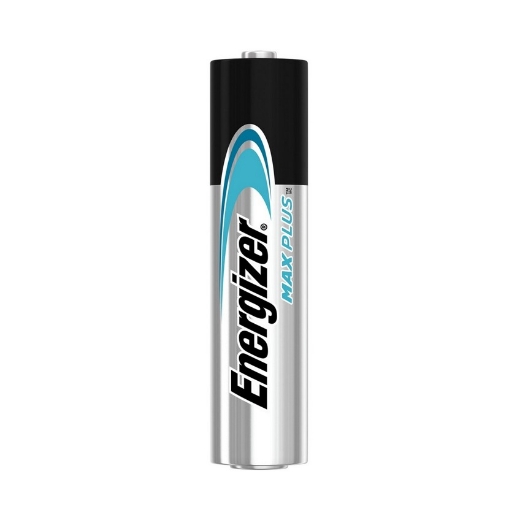
Energizer Max Plus battery AAA LR03, blister of 4 - MAXPAAABL4