


Plugs & anchors
Plugs and anchors for every substrate and every load, from fischer, PGB-Fasteners, Mungo and more. Choose based on the substrate (concrete, solid or hollow masonry, aerated concrete, plasterboard, insulation) and the weight: from universal and expansion plugs and hollow wall fixings for everyday jobs to steel anchors and chemical fixings for heavy loads. In addition, fixings for frames, insulation, electrical work, sanitary ware and pipes, and the matching setting tools.
Most bought
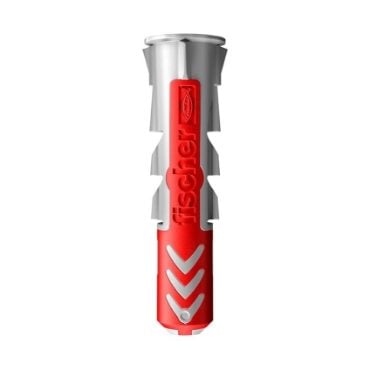
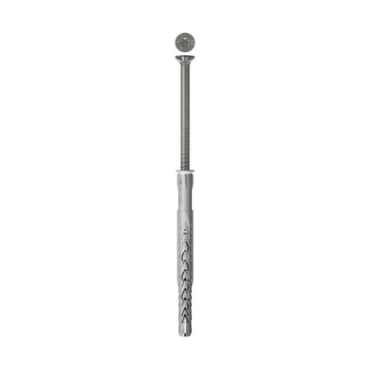
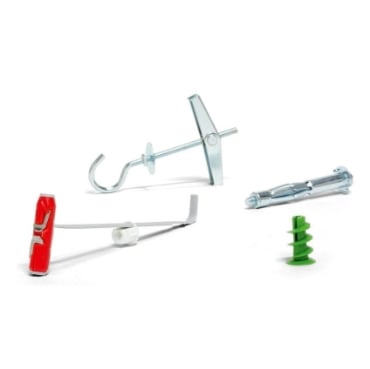
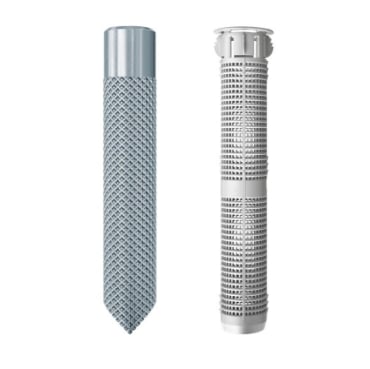
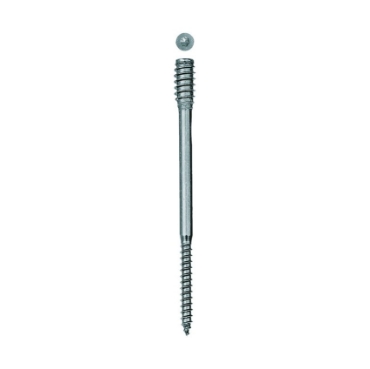
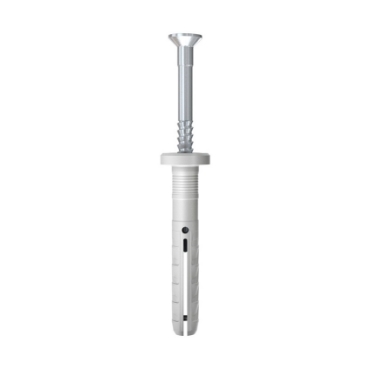

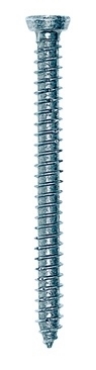
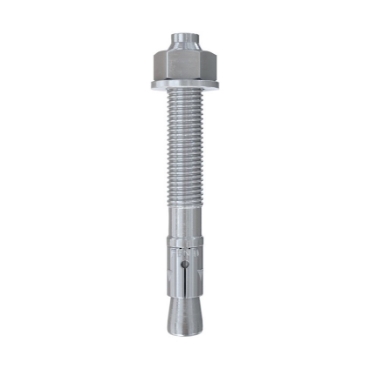
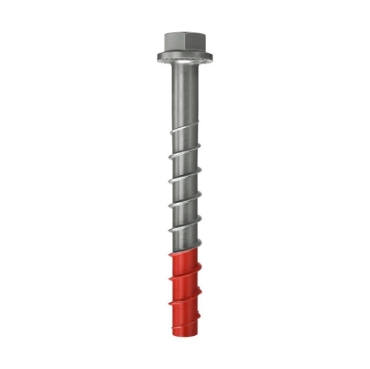
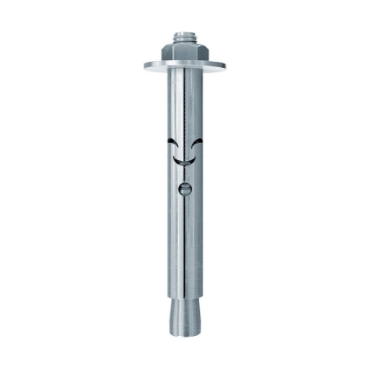
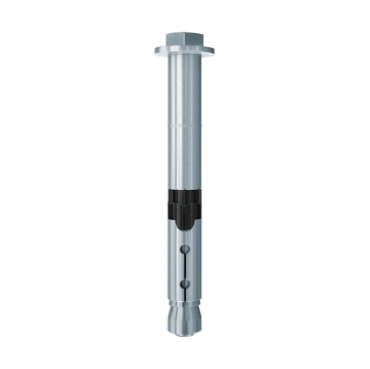

Brands in this category





Browse by type
Construction fixings
Spring sleeves
Hammer-in plugs
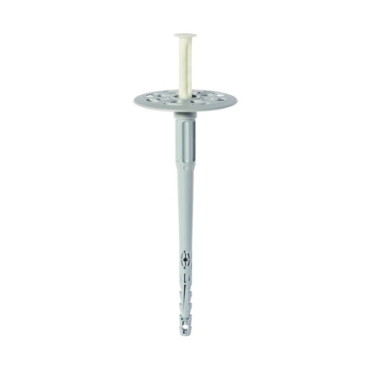
Construction plugs
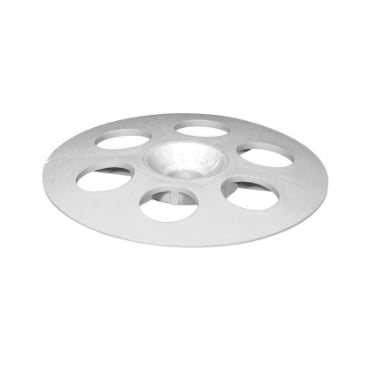
Adjusting & spacer screws
Frame fixings
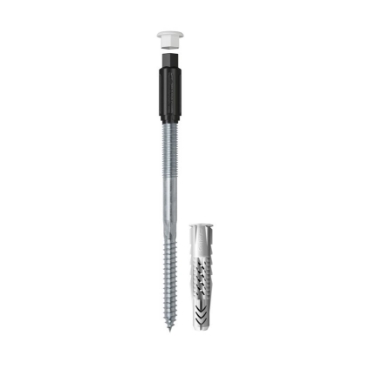
Cavity wall & renovation anchors
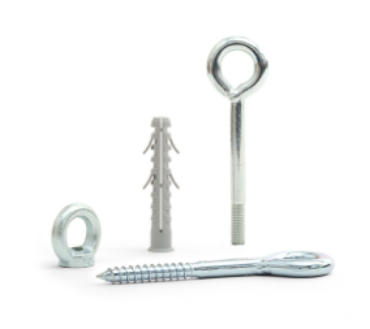
Scaffold eyes & heavy-duty plugs
Advice
Recently viewed products
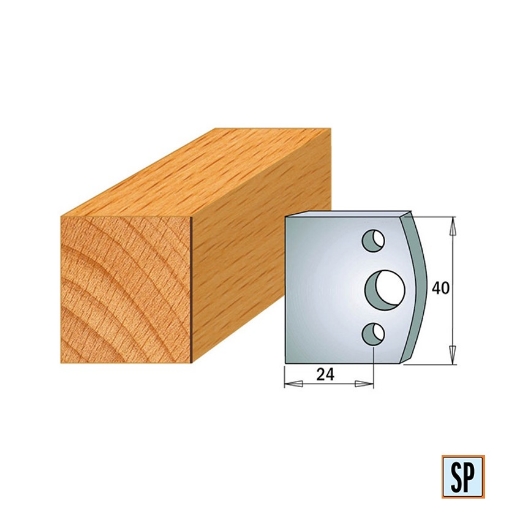
CMT Limiter for profile cutter head for hard and soft wood I=38x4mm, 2 pieces - 691192
691.192/1
The CMT limiter for profile cutter heads is a steel spacer plate that you mount alongside a profile knife to support the wood fibres during milling and prevent chipping. Supplied in pairs, it's available in a straight version and several profiled versions, suitable for both hard and soft wood.
€ 18.59
incl. VAT
Delivered by Wed 02/12
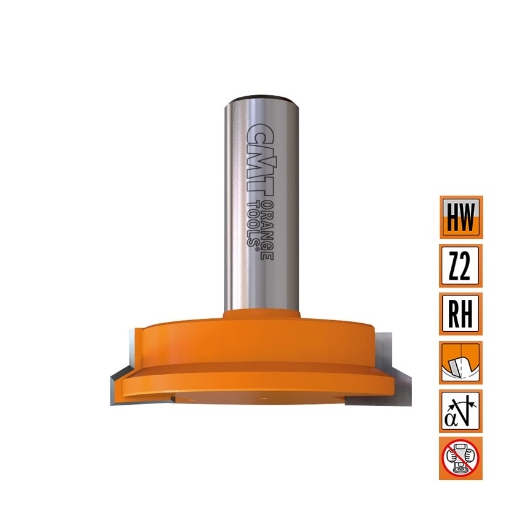
CMT Drawer lock bit D=31.7x12.7mm L=44.5mm S=6mm Z2 HW - 755.002.11
755.002.11/1
Drawer cutter
The quality of a drawer is determined partly by its construction. With the CMT drawer front cutter the construction becomes solid, strong and extremely accurate. As shown below, you first rout the drawer front with the inside on the router table. Then the side of the drawer is fed upright along the router fence.
€ 55.21
incl. VAT
Delivered by Wed 02/12
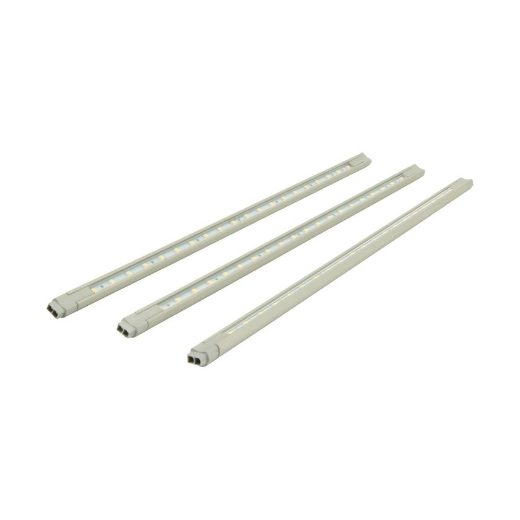
Prolight LED strip warm white aluminium
201214027/1
Prolight LED strip (warm white, aluminium): lighting under cabinets, behind the TV or along the stairs.
€ 48.36
incl. VAT
Delivered by Mon 07/12
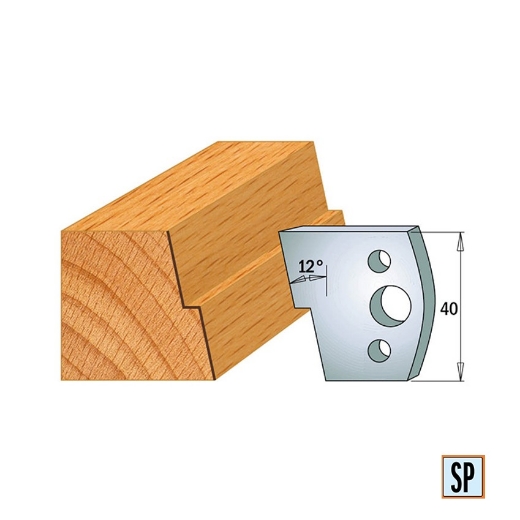
CMT Limiter for profile cutter head for hard and soft wood I=38x4mm, 2 pieces - 691027
691.027/1
The CMT limiter for profile cutter heads is a steel spacer plate that you mount alongside a profile knife to support the wood fibres during milling and prevent chipping. Supplied in pairs, it's available in a straight version and several profiled versions, suitable for both hard and soft wood.
€ 18.59
incl. VAT
Delivered by Wed 02/12
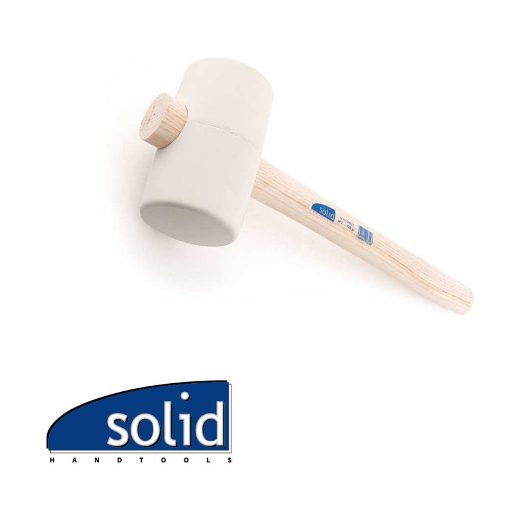
SOLID Rubber mallet N°1 white 300 g
HH 909001/1
SOLID rubber mallet white N°1, 300 g: strike without damaging the workpiece.
€ 11.17
incl. VAT
Delivered by Mon 07/12
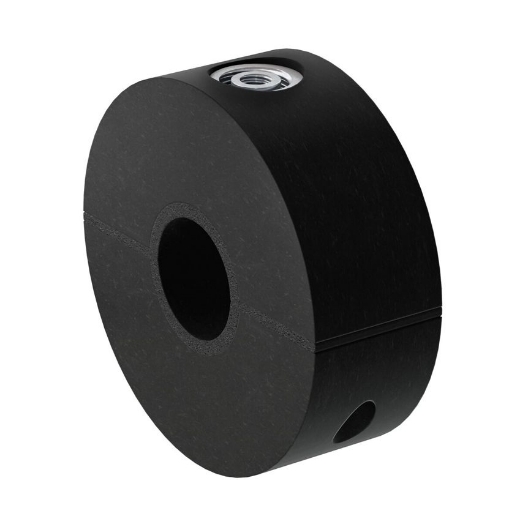
Samontec cold pipe clamp KFT 154.0 - 505917
505917/1
The two-screw refrigeration pipe clamp made from closed PUR foam.
€ 70.70
from € 63.63/pc (20+)
incl. VAT
Delivered by Wed 02/12
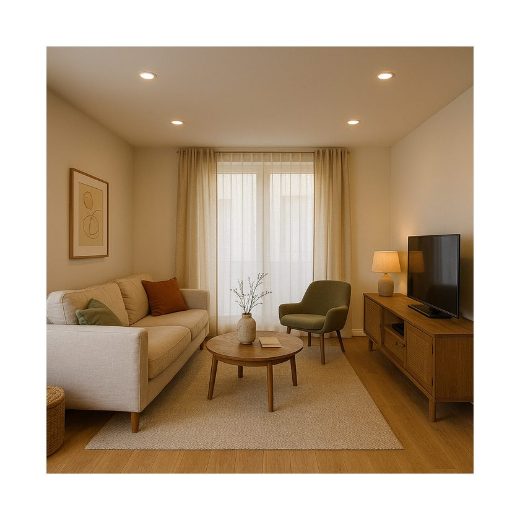
Prolight recessed spot ring 75 mm aluminium
321881193/1
Prolight recessed spot ring (75 mm, aluminium): the visible part of your recessed spot in a ceiling or cabinet.
€ 5.56
incl. VAT
Delivered by Mon 07/12

CMT Grooving blade for sheet material & solid wood 150x30x5mm Z36 HW - 240.150.050M
240.150.050M/1
CMT grooving saw blade with alternate top bevel (ATB) teeth: Ø 150 mm, 30 mm bore, 5 mm kerf and 36 brazed carbide teeth. The low 5° hook angle and the bevelled teeth keep the top face of the board clean. Four countersunk drive pin holes (4/6.5+12/48). Supplied per piece.
€ 119.44
incl. VAT
Delivered by Fri 27/11
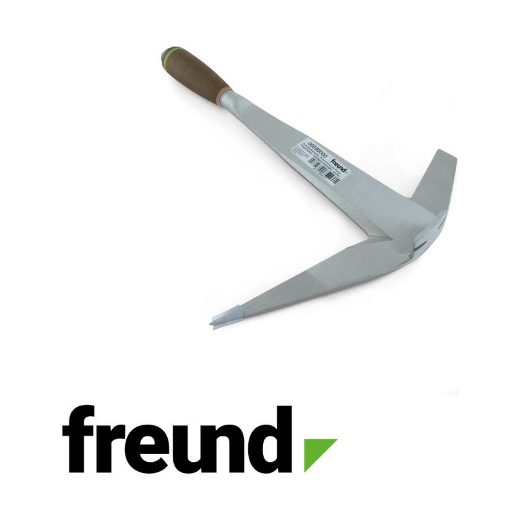
FREUND Slater's hammer French model "right"
FR 00050000/1
Freund slater's hammer French model, right version for right-handed users: trim slates, punch holes and nail.
€ 190.79
incl. VAT
Delivered by Mon 07/12
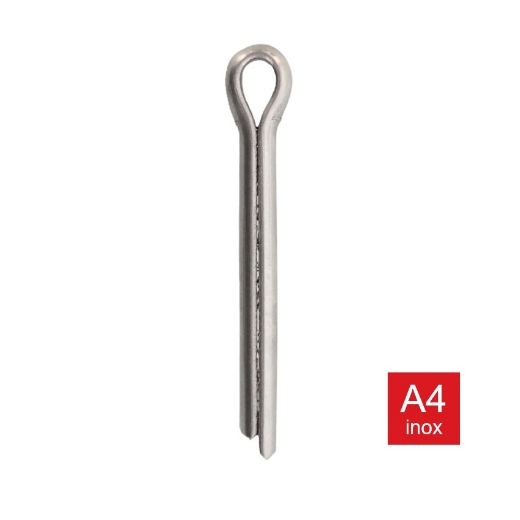
Split pin 8.0x56mm stainless steel A4
1234-080-056-A4/100
Split pin DIN 94 8 x 56 mm stainless A4. Bent pin with an eye that you push through a 8 mm hole and spread open: simple locking of castle nuts, pins and shafts. Packed per box of 100 pieces.
€ 99.92 per 100 pcs
€ 0,9992/pc
incl. VAT
Delivered by Mon 07/12
Recently viewed products
-
 CMT Limiter for profile cutter head for hard and soft wood I=38x4mm, 2 pieces - 691192
-
CMT Drawer lock bit D=31.7x12.7mm L=44.5mm S=6mm Z2 HW - 755.002.11
-
Prolight LED strip warm white aluminium
-
CMT Limiter for profile cutter head for hard and soft wood I=38x4mm, 2 pieces - 691027
-
SOLID Rubber mallet N°1 white 300 g
-
Samontec cold pipe clamp KFT 154.0 - 505917
-
Prolight recessed spot ring 75 mm aluminium
-
CMT Grooving blade for sheet material & solid wood 150x30x5mm Z36 HW - 240.150.050M
-
FREUND Slater's hammer French model "right"
-
Split pin 8.0x56mm stainless steel A4


