How long does sealant need to dry before you can use the shower, the bath or an outdoor joint? A sealant can feel dry while the core is still soft, loading or wetting it too early permanently weakens the joint. Below you'll find the drying times listed per sealant type, followed by everything that affects curing.
Drying times per sealant type, quick overview
Always consult the technical data sheet of your specific product for exact times. The values below are guidelines for standard conditions (±20 °C, 50–65% humidity).
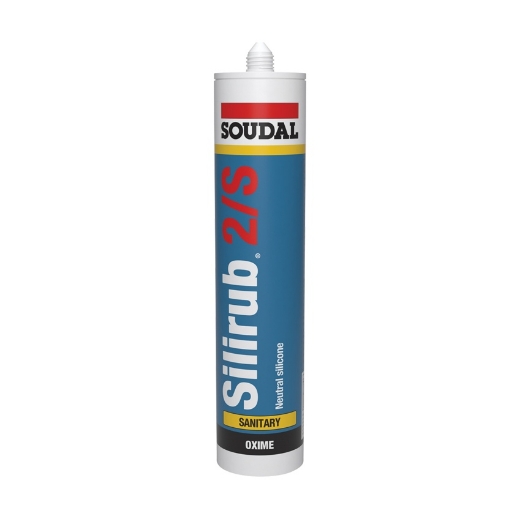
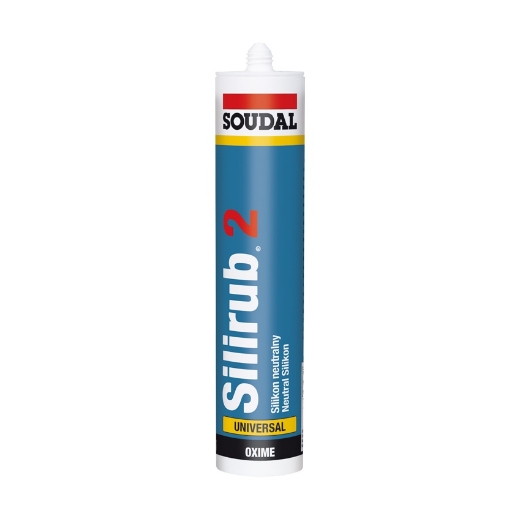
Silicone sealant (sanitary), 24 to 48 hours
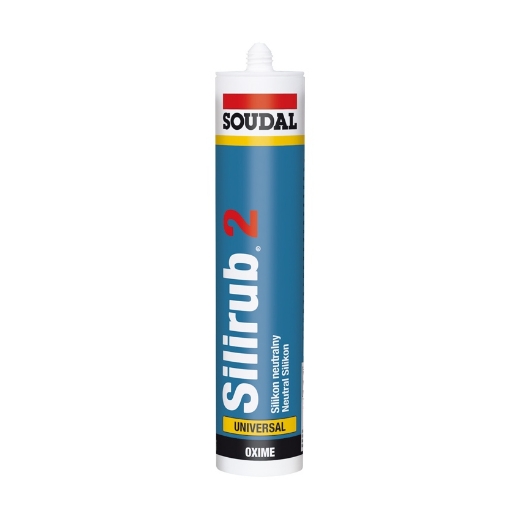
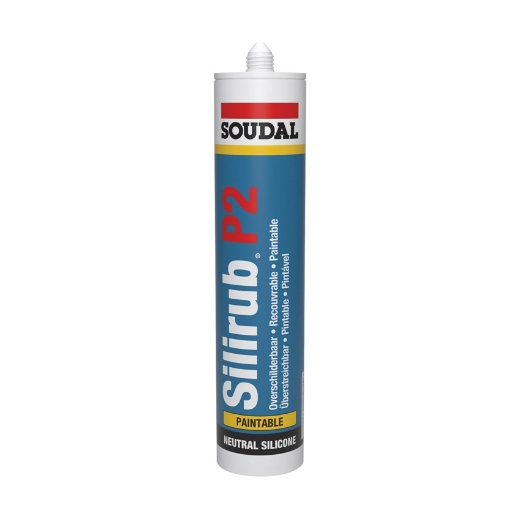
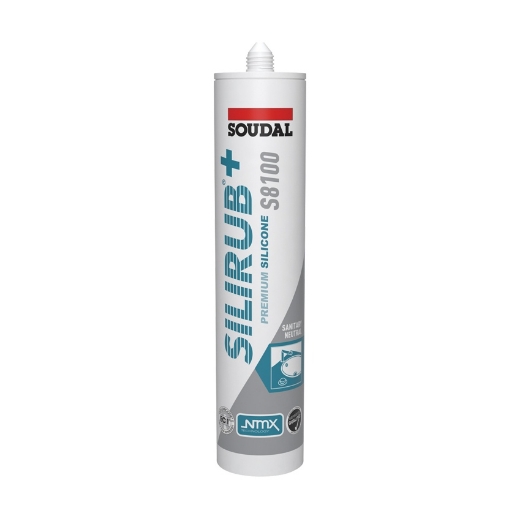
Skin formation after 10–20 minutes. Curing from the outside in: on average 2–3 mm per 24 hours. Wait at least 24 hours before first water contact (shower, bath); for deep joints or lower temperatures, 48 hours is the safe choice. Products: Silirub 2S, Silirub+ S8100, Silirub MA.
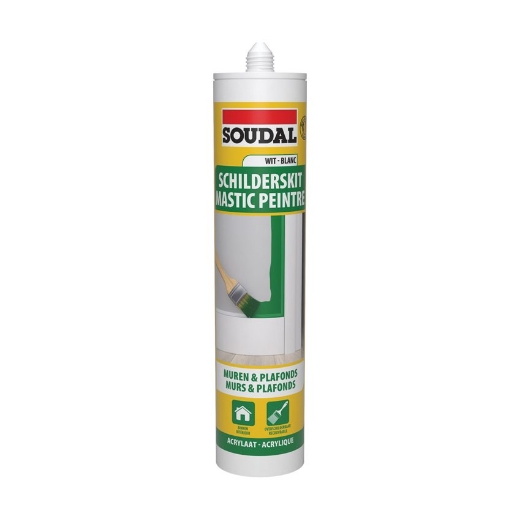
Acrylic sealant, 1 to 2 hours before painting over
Skin formation after 10–15 minutes. Surface dryness for light loading after 1–2 hours, depending on layer thickness and ventilation. Painting over is usually possible after 1–2 hours, wait longer for wide or deep joints. Not for wet zones: acrylic sealant is intended only for dry indoor applications. Product: Soudal Acryrub.
Hybrid / polymer sealant, 24 hours light, 48–72 hours full
Skin formation after 30–60 minutes. Curing 2–4 mm per 24 hours. Lightly loadable after 24 hours; final strength only after several days. Outdoor joints: protect from rain until skin formation is complete. Products: Soudaseal 222LM, Soudaseal 215 LM+, Fix All Flexi.
When can you use the joint?, rules of thumb
Shower/bath: min. 24 h, for a deep joint 48 h. Painting over (acrylic): 1–2 h. Painting over (silicone/hybrid): only if the product allows it, after complete surface drying. Mechanical loading: 24–48 h for silicone and hybrid. Outdoor work & rain: wait until skin formation is complete (30 min – 2 h depending on type). In doubt? Check the technical data sheet of your product.
What affects the drying time of sealant?
The same sealant can fully cure in 24 hours in summer and take considerably longer in a cold, dry winter. These are the factors that determine drying time.
- Joint depth and width: Sealant cures from the outside in. The thicker the sealant layer, the longer the core needs. A joint 8mm deep takes significantly longer than a 4mm joint under the same conditions. For wide joints, always use a PU backing rod or PE backing rod to limit the sealant thickness and speed up curing. Read more about backing rods in our guide difference in backing rods.
- Temperature: Most sealants are optimised for application between 15 and 25 °C. Below 10 °C, curing proceeds considerably more slowly, expect double the normal drying time. Never apply sealant at freezing temperatures. Summer and a heated interior speed up drying slightly, but don't overdo it with extra heat sources.
- Humidity: Silicone sealants and hybrid polymer sealant cure through moisture from the ambient air (moisture curing). In very dry air (for example in a strongly heated room in winter) this proceeds more slowly. A humidity of 50–65% is ideal. Acrylic sealant works the other way round: it dries through the evaporation of water, and also slows down at high humidity.
- Ventilation: Good air circulation helps for acrylic sealant (speeds up evaporation) and for silicone in damp rooms (refreshes the humidity). Allow the room to ventilate sufficiently after sealing, but avoid a direct draught on the wet joint, this can cause surface wear before the skin is fully closed.
- Substrate: On non-absorbent smooth surfaces such as glass or ceramic, the edge of the joint can feel wet longer than on porous substrates that absorb slight moisture. This is normal and has no effect on the final quality, but do allow for the full drying time.
- Colour of the sealant: Dark colours (black, grey) absorb slightly more heat in sunlight and may in some cases be surface-dry a little faster than white sealants, but the practical difference is negligible. Colour has no effect on the curing chemistry.
Frequently asked questions about the drying time of sealant
My sealant feels dry, can I use the shower already?
Can I speed up the drying time of sealant?
What happens if I wet the sealant too early?
How do I know if the sealant is fully cured?
How long should I wait before I can paint over acrylic sealant?
Does the same drying time apply to PU jointing sealants?
Posted by the Soudal sealant expert at DHZ-Proshop, your specialist in fasteners, adhesives & silicones. Webshop available 24/7 & collection point in Beerse (province of Antwerp). Questions about drying times or the right sealant for your project? Contact our team.