Sealing skirting boards and parquet: the right sealant prevents recurring cracks. Wood moves; it expands and contracts with every change in temperature and humidity. A sealant that is too rigid cracks along with it, causing the same frustration year after year. The solution is not better sealing, but choosing the right sealant: one that moves with it. Below you'll find the right product for each situation and a step-by-step plan for a neat, lasting finish.
Which sealant for skirting boards and parquet?
Full range: Soudal joint sealants.
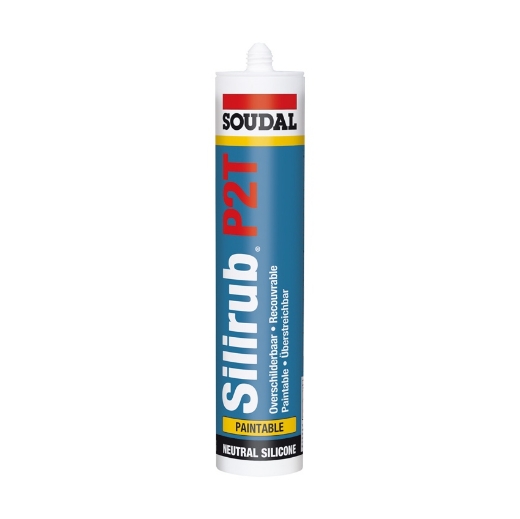
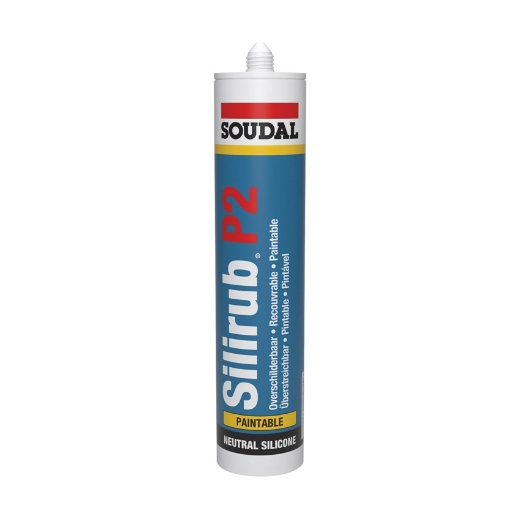
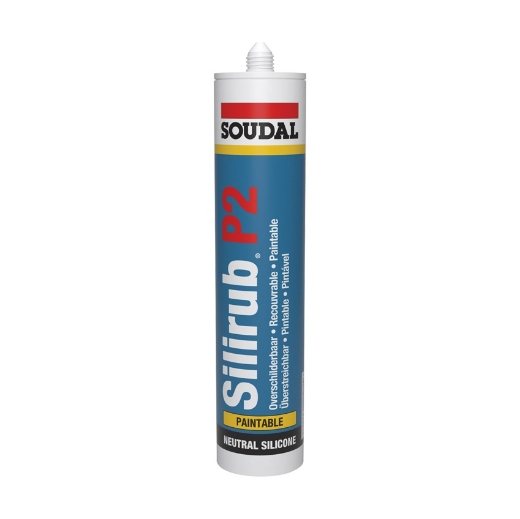
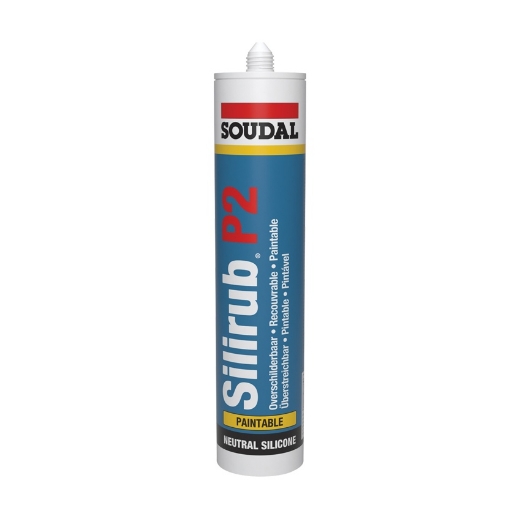
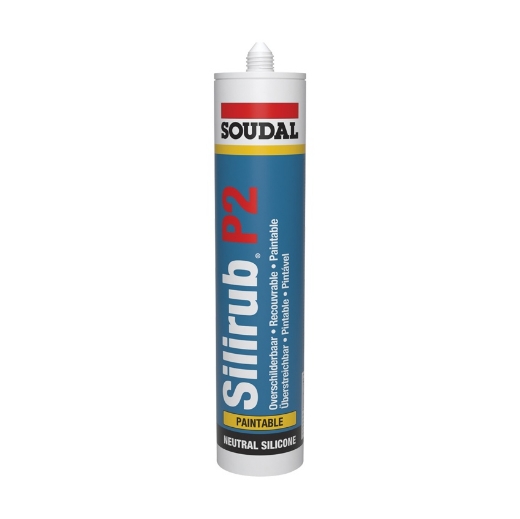
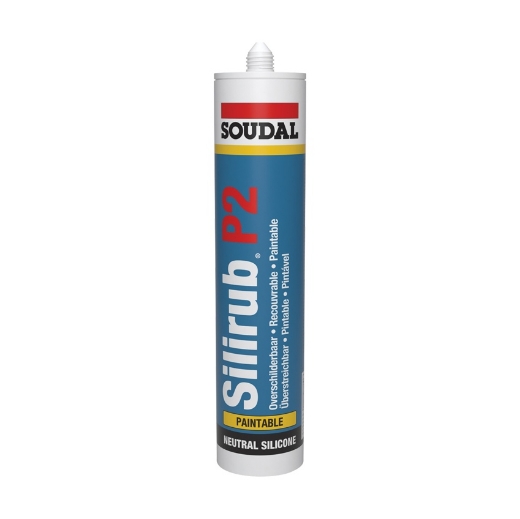
Skirting boards & wall joints, Silirub P2
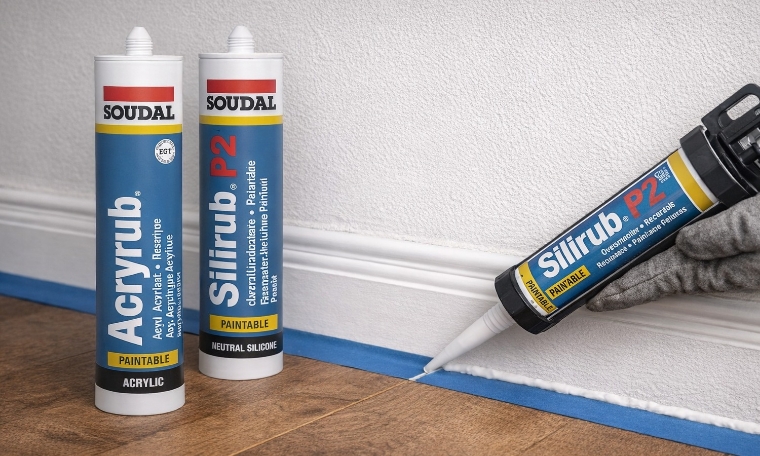
Soudal Silirub P2, paintable silicone sealant. Combines the elasticity of silicone with the paintability of acrylic. Stays flexible with wood movement: no hairline cracks. Suitable for joints up to 20–30mm. Available in white, grey, black, cream white, concrete grey and transparent.
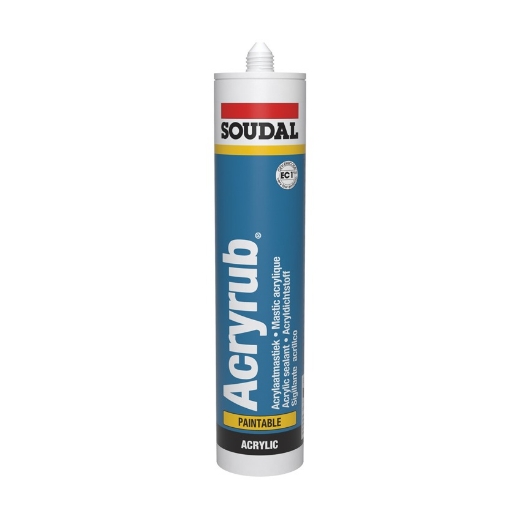
Budget & quick painting, Acryrub acrylic sealant
Soudal Acryrub, classic acrylic decorator's sealant. Inexpensive, quick to overpaint. Less elastic than Silirub P2; with actively moving wood, hairline cracks can develop over time. A choice for less mobile joints.
Floor-to-skirting transition, wood-coloured parquet sealant
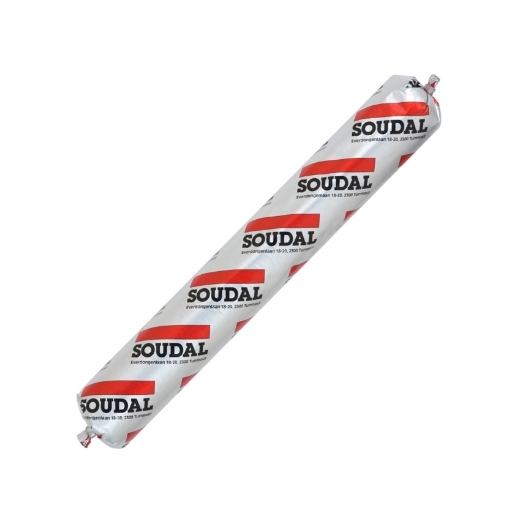
Coloured parquet sealant, specially for the transition between floor and skirting board. Available in wood-colour variants (light oak, medium oak, mocha and pearl white) so the sealant line blends into the floor. Not paintable; choose the colour at purchase.
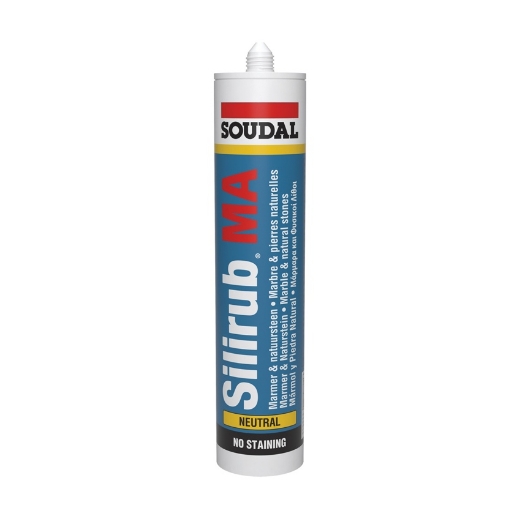
Natural stone skirting boards, plasticiser-free sealant
Silirub MA or S8800, specially for marble, granite and other absorbent natural stone. Ordinary silicones contain plasticisers that cause dark grease stains in stone. A plasticiser-free sealant avoids this problem entirely.
Step-by-step plan, how to get a neat, lasting sealant line
A neat sealant line stands or falls with the preparation and the moment you remove the tape. These are the steps that make the difference.
- Clean the surface, dust and grease: Vacuum the joint dust-free and remove grease marks with a mild cleaner or Soudal Cleaner & Degreaser. Grease on the surface, from wood treatment, floor wax or fingerprints, is the most common cause of a sealant edge coming loose. With new skirting boards: check whether there is still factory coating on the back and lightly sand it.
- Masking, both sides, tape tight against the corner: Apply HPX masking tape to both the skirting board and the floor, as close to the joint as possible. The tape determines the width of the sealant line, the tighter the tape, the neater the result. Press the tape down well along the edge so no sealant can run underneath.
- Apply the sealant, constant pressure, diagonally cut nozzle: Cut the cartridge nozzle diagonally to the desired joint width. Apply the sealant in one fluid movement with constant pressure. With Silirub P2 for larger joints (more than 10mm deep): use a PE backing rod profile to avoid three-sided adhesion and maintain the correct sealant depth. More: the difference in joint fillings.
- Smoothing, wet for acrylic, smoothing agent for silicone: Acrylic sealant (Acryrub): smooth with a wet finger or a wet smoothing tool. Silirub P2: use Soudal smoothing agent on the sealant and smooth in one movement. Never use water on silicone, this disrupts the curing and gives a cloudy surface.
- Remove the tape immediately, before skin formation: Remove the tape while the sealant is still wet, immediately after smoothing. Pull the tape away slowly at a 45° angle from the joint. Removing the tape too late (after skin formation) pulls the sealant edge up with it and gives ragged edges. Removing it too early (before smoothing) gives a flowing overrun onto the surface.
- Overpainting, let Silirub P2 cure fully first: Silirub P2 is paintable with both water-based and alkyd resin paints. Wait until the sealant has fully cured; a surface film forms after 30–60 minutes, but full curing takes 24–48 hours depending on the joint depth and the conditions. Painting over a freshly formed surface film causes the paint to "bead". Acryrub is quicker to overpaint but less elastic, see the tip above.
Frequently asked questions
Why does the sealant edge along my skirting boards always crack again?
What is the difference between Silirub P2 and ordinary acrylic sealant?
Can I overpaint Silirub P2 immediately after applying it?
Which sealant do I use for natural stone skirting boards or a marble floor?
How wide can the joint be for Silirub P2?
Do I also need to seal with a laminate floor?
What if the sealant colour does not exactly match my skirting board?
Posted by the Soudal sealant expert at DHZ-Proshop, specialist in fixing materials, adhesives & silicones. Webshop available 24/7 & collection point in Beerse (province of Antwerp). Questions about the right sealant for your floor or skirting board? Contact our team.