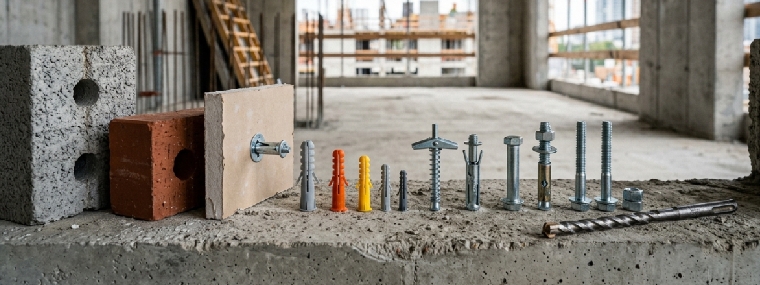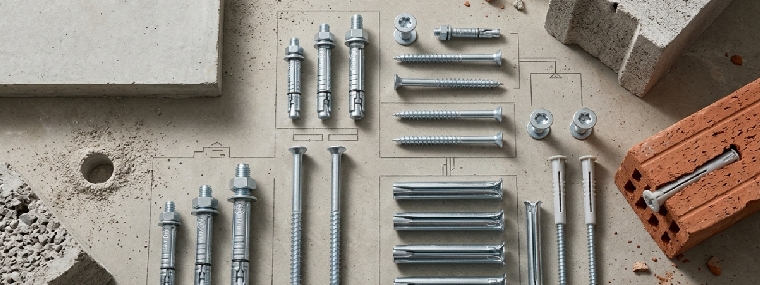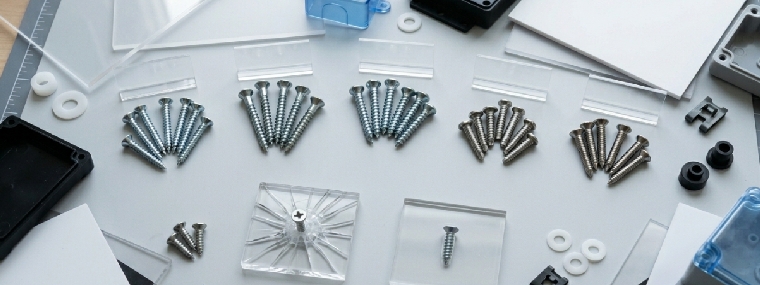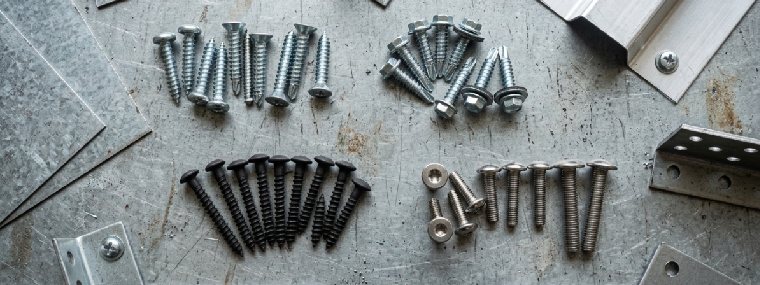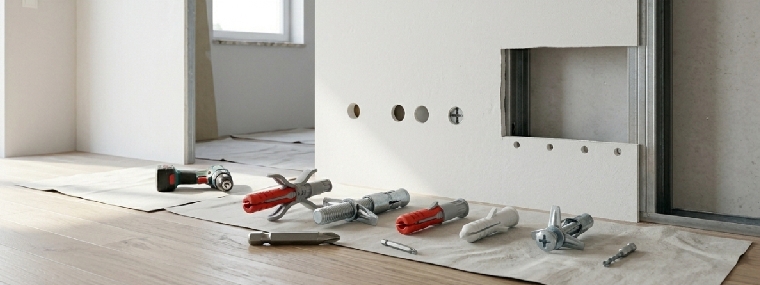
A compact selection guide for Fischer hollow-wall anchors by wall thickness and weight. Light objects: the self-drilling Duoblade. General plasterboard mounting: the metal GKM or the HM hollow-wall plug. Heavy loads: the DuoTec, a two-component toggle plug that also works in narrow or insulated cavities and doubles as a spread plug in solid material. Classic heavy toggle plugs (KD/KDH) for maximum load distribution. With wall thickness, tensile versus shear load and common mistakes.
RSS
Blog posts of '2026' 'April'
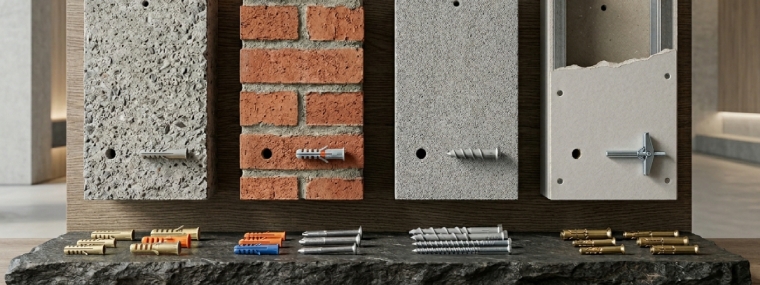
A detailed visual selection guide for Fischer plugs. Choose by wall structure first: S and SX expansion plugs for solid concrete and solid brick, DuoPower as the best all-rounder for mixed or uncertain substrates, the Gasbetonplug GB for aerated concrete, and hollow-wall anchors for hollow walls. With the difference between 2-fold and 4-fold spread, the GB's form-fit with safety screw, brass plugs for specific applications, full versus perforated masonry, load and common mistakes.
A detailed selection guide for Fischer plugs and anchors. Choose by wall type first: solid concrete and solid brick take a standard nylon or universal plug like the DuoPower, hollow walls need a hollow-wall plug or anchor that spreads or knots behind the panel, and heavy loads in concrete call for wedge anchors or bolt anchors. With the DuoPower working principles (spread, fold, knot), frame screws for frames, hole quality, load level and common mistakes.
A practical material guide for chains on outdoor projects. Stainless steel gives the best rust resistance, with 316 stainless the strongest choice at the coast or in salt air and 304 stainless a strong general outdoor option. Galvanized chain is an affordable alternative for lighter work, while nickel-plated or coated chain only suits milder conditions. With environment, accessories that must match the same material, condensation, load and common mistakes.
A practical decision guide for steel anchors. Wedge anchors give the strongest mechanical fixing in solid concrete, frame screws with frame plugs are ideal for frames and profiles in masonry, expansion sleeves are a light indoor fixing, and for old, hollow or crumbling walls a chemical anchor is often the safest choice. With concrete versus brick, edge distance, hole quality, load type and common mistakes.
A practical explanation of why regular wood and metal screws crack plastic and which screws won't. Plastic spreads stress differently than wood, reacts to temperature and ages over time. Plasfast screws with a blunt tip and a 30° thread reduce radial stress and increase pull-out force. With the right pilot hole (around 0.8 × the screw diameter), head shape, torque control, washers, reusing existing holes and the choice between zinc-plated and stainless.
A practical decision guide for metal fastening. Fine-threaded sheet metal screws tap their thread in a predrilled hole and are the precision choice; self-drilling screws drill and tap in one motion and are the speed choice. Includes the difference between self-tapping and self-drilling, the right pilot hole size, sheet thickness and drilling capacity, RPM and pressure, zinc-plated versus stainless, common mistakes and a fast decision rule.
Search
Blog archive