Pre-Drill or Self-Tap in Metal? (Sheet Metal Screw or Self-Drilling Screw)
The quick metal rule: pre-drill when precision, sheet thickness or control matters, and choose a self-drilling screw when speed matters and the material falls within the drilling capacity. Sheet metal screws tap their fine thread in a predrilled hole and give the strongest, most controllable joint. Self-drilling screws drill and tap in one motion, ideal for thin sheet steel and repetitive work. If the steel is too thick or too hard, even a self-driller is better off with a pilot hole.
Pre-drill or self-tap? Metal forgives less than wood. The wrong choice means stripped threads, broken tips, loose joints or wasted time. The first question is therefore not which screw is cheapest, but whether the job needs a pilot hole or whether the screw may drill and tap on its own. In this guide you answer that question in a few steps and land directly on the right product.
Overview: which metal screw for which job?
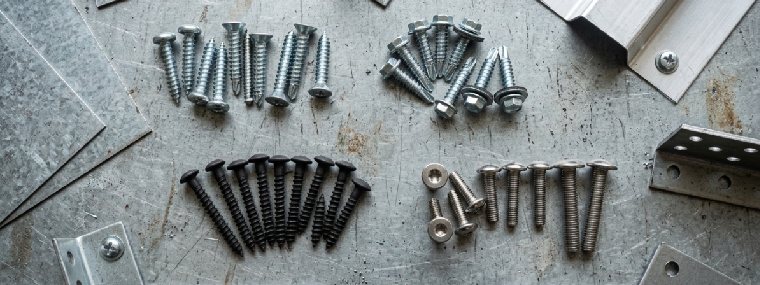
Browse the full metal fastening range in our webshop: sheet metal screws with countersunk, pan or hex heads, and self-drilling screws in zinc-plated, black lacquered and stainless steel with Phillips or Torx drive. The table below puts the two approaches side by side.
| Feature | Sheet metal screw (pre-drill) | Self-drilling screw |
|---|---|---|
| How it works | Taps its own thread in a predrilled hole | Drills and taps in one motion |
| Strength | Fine thread, strong and precise joint | Strong within the drill point's capacity |
| Speed | Slower: drilling and driving as separate steps | Fast: one operation, ideal for repetitive work |
| Best application | Thicker or harder metal, visible work, exact placement | Thin sheet steel, profiles, frames, assembly work |
| Watch out | Drill size must match screw and sheet thickness | Drilling capacity is limited: still pre-drill thick steel |
Precision and strength
Does placement need to be exact, is the metal thicker, or does the finish matter? Pre-drill and use fine-threaded sheet metal screws for a controlled, strong joint.
Speed and repetitive work
Thin sheet steel, metal profiles or many screws in a row? Self-drilling screws skip the drilling step and save serious time.
Outdoors or damp
Outdoor work, brackets or enclosures in wind and weather? Choose the stainless version. A fast screw that rusts is no long-term solution.
Unsure about the combination
Wood on metal, plastic on steel or a special head shape needed? The full fastening category holds a fitting solution for every combination.
Self-tapping or self-drilling: the real difference
The terms are often used interchangeably, but they do not mean the same thing. A self-tapping screw cuts its own thread in the material, but has a relatively blunt point and therefore needs a predrilled hole. A self-drilling screw adds a drill point that works like a miniature drill bit: it drills the hole and taps the thread in one operation. Every self-drilling screw is therefore self-tapping, but not every self-tapper is self-drilling.
In our range the distinction is simple: sheet metal screws tap their thread in a predrilled hole, and our self-drilling screws go into the metal without pre-drilling. The choice between the two is, at its core, a trade-off between control and speed: if you want maximum accuracy, pre-drill; if you want fast assembly in thin sheet steel or light profiles, choose self-drilling.
Sheet metal screws: the precision choice
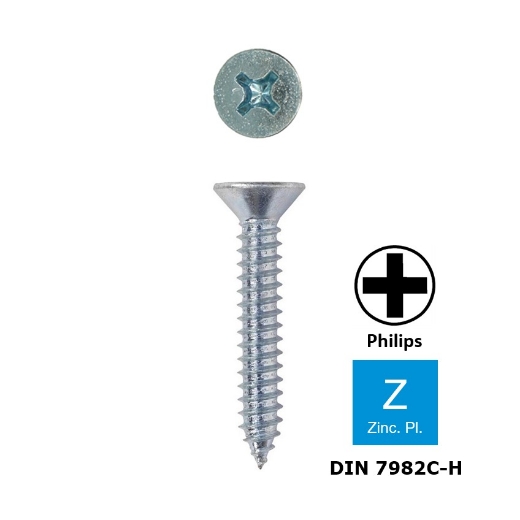
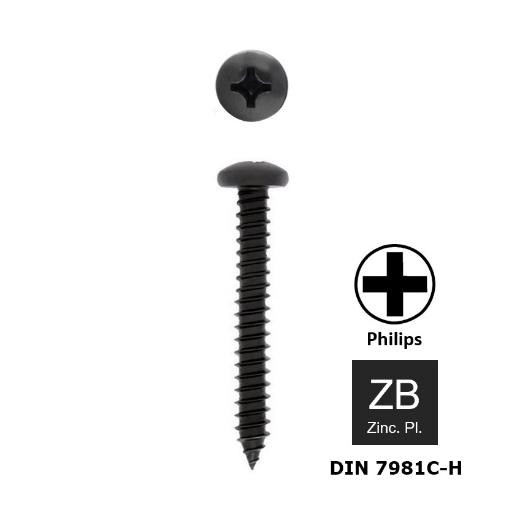
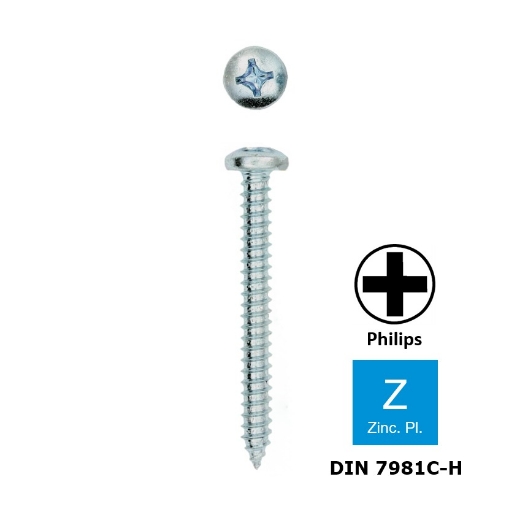
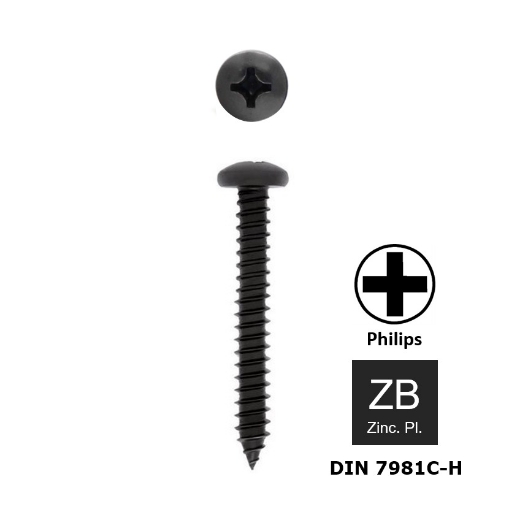
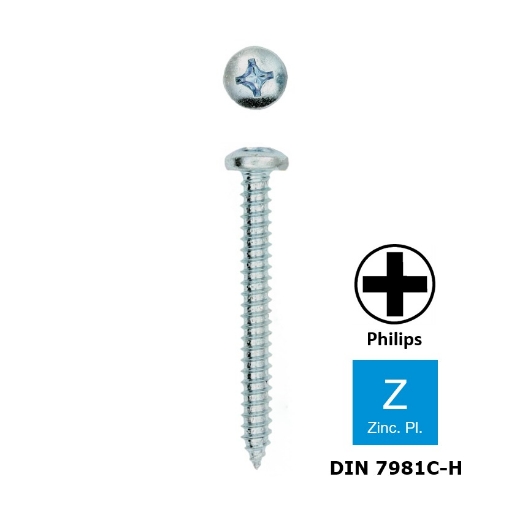
Sheet metal screws are the controlled option for metal on metal. Their fine thread delivers a strong, reliable joint after pre-drilling, and the different head shapes, countersunk, pan or hex, make them widely usable from clean visible work to sturdy construction work. Pre-drilling wins when:
- Placement must be exact: a predrilled hole guides the screw and prevents it from skating across the smooth surface before it bites.
- The metal is thick or hard: pre-drilling lowers driving resistance and prevents overheating, wear and broken tips.
- The joint is critical or visible: fewer misfires, fewer damaged parts. The drilling time pays itself back in finish quality.
In delicate assemblies, the predrilled hole also helps with alignment: the screw seats calmly and straight, without distorting thin sheet material.
Self-drilling screws: the speed choice
Self-drilling screws combine drilling and driving in one step. That makes them the time-saving solution for thin sheet steel, metal profiles, frames and assembly work where many screws are placed in a row: no switching between drill and driver, no separate drilling step. They are available in zinc-plated, black lacquered and stainless steel, with Phillips or Torx drive and head shapes from countersunk and raised countersunk to pan and hex, covering both indoor and outdoor applications.
There is one limit you must respect: the drilling capacity of the point. Every self-drilling screw is made for a maximum steel thickness. If the material is thicker or harder than the point can handle, driving slows down, the point overheats or gets damaged, and the hole turns out rough. In that case, simply pre-drill, the screw then taps its thread in the pilot hole as normal.
Pilot hole and sheet thickness: where the joint stands or falls
With predrilled joints, the drill size is decisive. The rule of thumb is simple but unforgiving:
- Drilled too small: driving resistance rises and the screw can break off in the hole.
- Drilled too large: the thread grips insufficiently and the joint loses holding power.
The right drill diameter depends on the screw diameter and on the sheet thickness: the thinner the sheet material, the smaller you drill; the thicker the material, the wider the hole may be. The metal itself counts too, steel and aluminium do not ask for the same size. Choose the drill size deliberately per job instead of guessing on site. The cleaner the fit, the better the joint.
RPM and technique: let the screw do the work
Whichever screw you choose, the tool setting shapes the result. Too much speed or torque means stripped threads, an overheated point or distorted thin sheet steel.
- RPM: use a calm, constant speed. Too high an RPM burns the drill point of a self-drilling screw before it gets through the steel.
- Pressure: let the screw pull itself into the material. Too much pressure damages the drill point and pushes the screw off line.
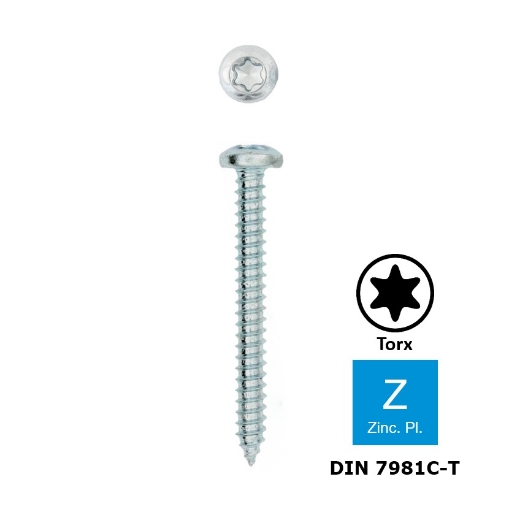
- Drive and bit: use the right bit in good condition. Torx gives more grip and less cam-out than Phillips, especially in repetitive work and at higher torque.
Good technique saves more time than brute force. The screw should drill or tap cleanly, not fight the tool.
Zinc-plated, black lacquered or stainless?
In metal fastening too, corrosion resistance is part of the decision. Outdoor work, exposed brackets, enclosures and anything that catches wind and weather needs a screw that handles moisture.
- Zinc-plated: the standard for indoors and dry, sheltered applications. Economical and widely available.
- Black lacquered: the same use as zinc-plated, but discreet on dark profiles and visible work.
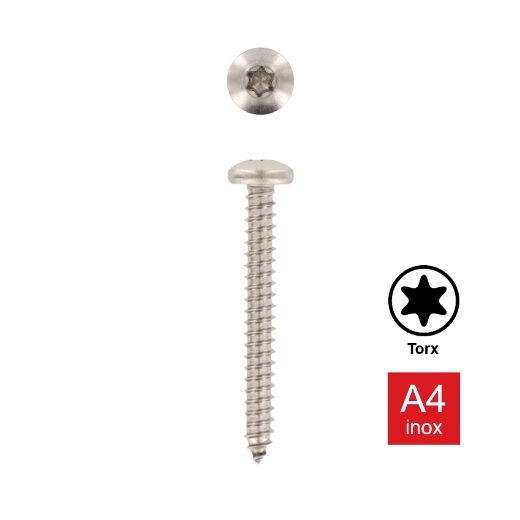
- Stainless steel: the choice for outdoors and damp environments. The best installation technique will not save a poor corrosion choice.
If the screw is going outside, check before buying whether the finish is suitable for outdoor exposure. A fast screw that rusts after two winters ends up costing you more time than it ever saved.
Common mistakes in metal fastening
- Confusing terms and types: self-tapping taps thread in an existing hole, self-drilling drills and taps, confuse them and you stand on site with the wrong box. And a regular wood screw will not grip in metal and damages the material; use sheet metal screws or self-drilling screws.
- Ignoring capacity and drill size: self-drilling screws in steel that is too thick or too hard give slow progress, worn points and a rough hole, just pre-drill instead. And don't guess the drill size: too small breaks the screw, too large kills the grip. Match it to screw, sheet thickness and metal type.
- Skipping pre-drilling where it really matters: for accurate, visible or critical joints, drilling first is often the smarter choice. And driving at full throttle with too much pressure burns the drill point and distorts thin sheet steel.
The quick decision rule
- Exact placement, thicker metal or visible work: pre-drill and use sheet metal screws.
- Speed in thin sheet steel or light profiles: use self-drilling screws.
- The hole already exists: a sheet metal screw taps its thread straight into it.
- Outdoor work: check the corrosion-resistant finish first, choose stainless when in doubt.
That one rule covers the vast majority of real-world metal jobs. Browse the full selection via our metal fastening category or start at the DHZ-Proshop webshop.
Frequently asked questions about pre-drilling and self-tapping
What is the difference between a self-tapping and a self-drilling screw?
Do I need to pre-drill for sheet metal screws?
When do I choose a self-drilling screw?
Can I use self-drilling screws in thick steel?
What drill size do I use for a sheet metal screw?
Why does my screw slide away on smooth metal?
What RPM do I use for self-drilling screws?
Are sheet metal screws and self-drilling screws suitable for outdoors?
Which head shape do I choose for metal fastening?
Torx or Phillips for self-drilling screws?
Posted by the fastening expert at DHZ-Proshop, your specialist in sheet metal screws, self-drilling screws, stainless metal fastening and matching bits and drill bits. Webshop available 24/7 and pick-up point in Beerse. Questions about the right metal screw for your job? Contact our team or browse our complete range of fasteners.