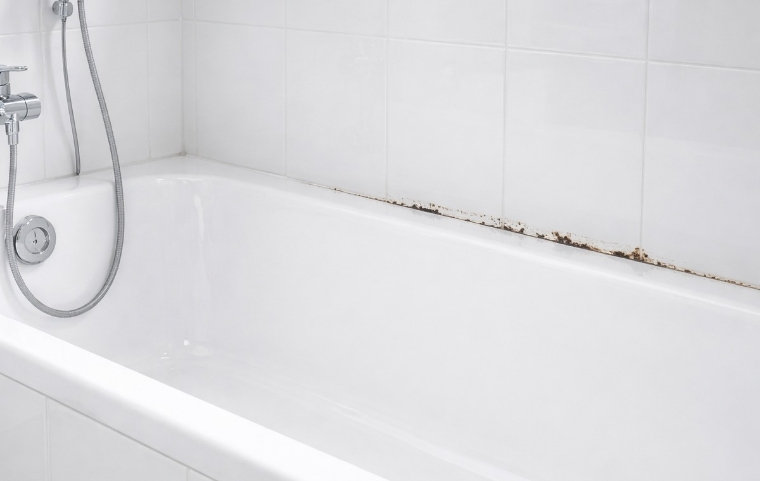
Preventing mould in sealant joints starts with the right sealant and the right application. In showers, baths and kitchens, moisture, soap residue and insufficient ventilation create an ideal breeding ground. Below you'll quickly find the right Soudal sealant for each situation, followed by the correct step-by-step plan for application and maintenance.
Which sealant should you use to prevent mould?, quick choice
Browse the full Soudal sealant range in our webshop, filter on "sanitary" for all mould-resistant products. Unsure which type of sealant you need? Read our guide choosing the right sealant.
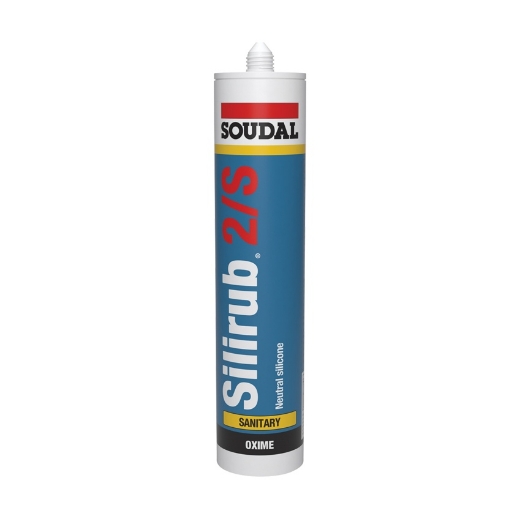
Shower & bath → Silirub 2S (standard)
The most commonly used sanitary sealant for showers, bathtubs, washbasins and kitchen edges on ceramic tiles. Silirub 2S is waterproof, permanently elastic and contains mould-resistant additives. Available in white and grey, suitable for the standard bathroom with normal moisture loads.
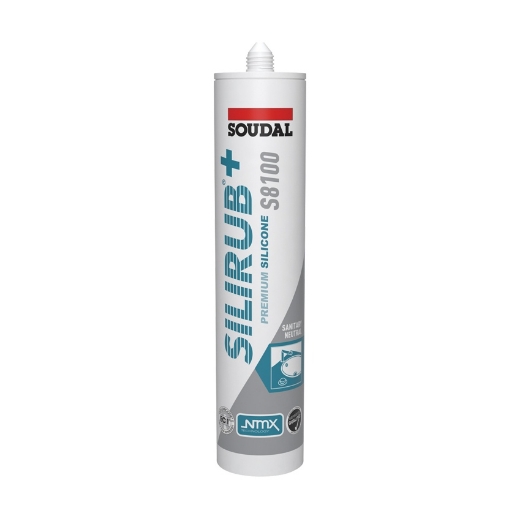
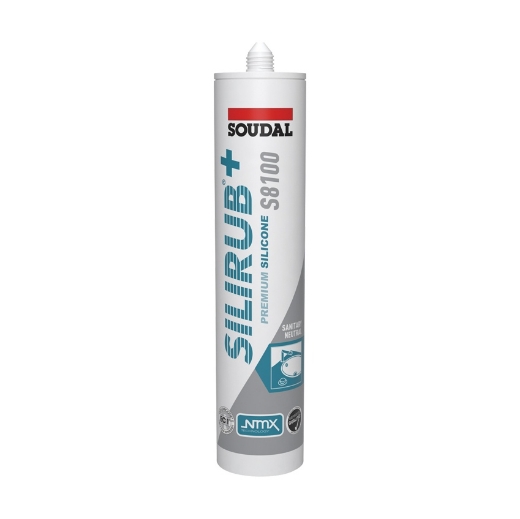
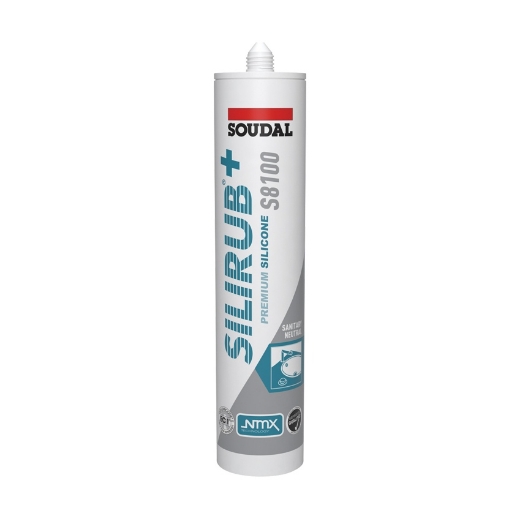
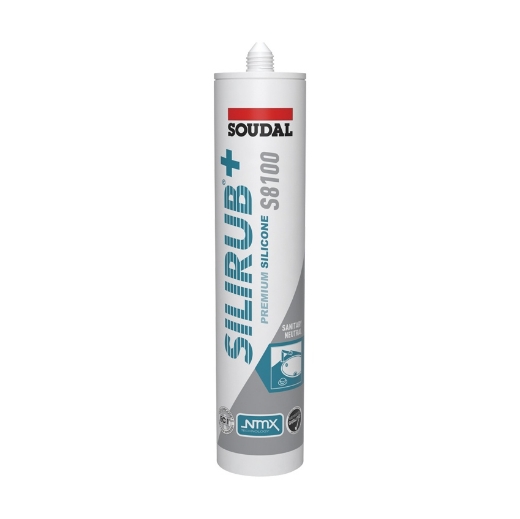
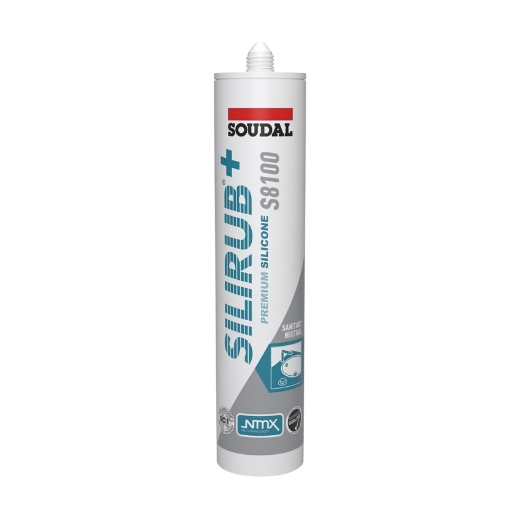
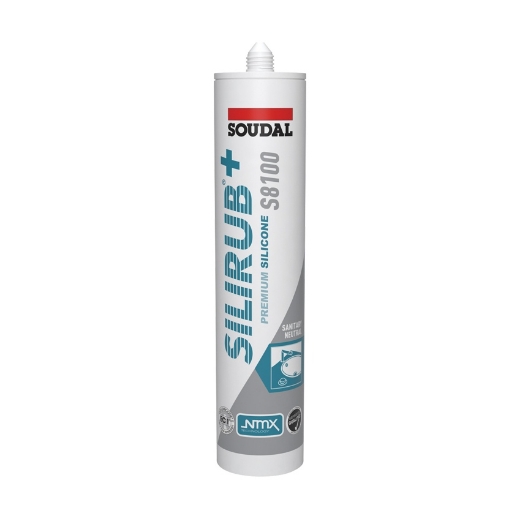
Intensive use & poor ventilation → Silirub+ S8100
For bathrooms with intensive use, little ventilation or high moisture loads. Silirub+ S8100 is the premium sanitary variant with improved resistance to dirt and mould growth. Choose this product if you want maximum lifespan and a joint that stays white longer.
Natural stone & marble → Silirub+ S8800
On marble, granite or other porous stone types, never use standard sanitary silicone: it causes edge staining. Silirub+ S8800 combines mould-resistant action with a neutral formulation that is safe on porous stone types. Read more in our guide sealing on natural stone.
Mould already present → remove first, then reseal
Is black mould already deeply embedded in the sealant? Then cleaning alone won't help, the mould is in the sealant itself and keeps coming back. Cut out the old sealant completely with a sealant remover, clean the bare substrate thoroughly, let it dry completely and then apply new mould-resistant sealant. The complete step-by-step plan can be found in our guide sealing a bathroom.
Preventing mould: correct application & smart maintenance
The best sealant won't work if the preparation is off or the room remains structurally too damp. Below are the two pillars: correct application and the right maintenance.
- Remove old sealant completely: Leftover sealant residue almost always contains mould spores. Cut out the sealant with a scraper or multi-tool and also remove the thin sealant film that remains on the substrate. If necessary, use a silicone remover for a completely clean base.
- Degrease and clean the substrate: Soap residue, grease and limescale prevent good adhesion. Use a suitable cleaner & degreaser and let the substrate dry completely before you start. On a greasy or wet substrate, sealant adheres poorly and micro-openings form where water and mould creep in.
- Correct joint width and depth: Sealant applied too thinly tears loose at the edges more quickly. A joint 4–8 mm wide and at least equally deep provides enough mass to absorb movement and keep moisture out.
- Smooth off neatly and evenly: A flat, smooth sealant joint holds far less dirt and soap residue than a rough or bulging joint, and dries faster after showering. Use masking tape for clean lines and remove the tape immediately after you've smoothed the joint.
- Respect the drying time: Only use the shower or bath after full curing. The surface film is closed after 30–60 minutes, but the sealant is only fully cured after 24–48 hours. Exposing it to water too early weakens the adhesion and increases the chance of mould. Read more in our guide how long sealant needs to dry.
- Ventilate consistently after use: Mould needs prolonged moisture. By turning on the ventilation or opening a window after showering or bathing, the humidity drops quickly and sealant joints stay wet for less time. This is the most impactful measure after the sealant choice itself.
- Clean regularly and wipe water away: Remove soap residue from the joints weekly with a soft cloth or sponge. After showering, wipe excess water away from walls and sealant transitions with a squeegee. The less food source and moisture, the slower mould grows.
- Check edges periodically: If a sealant edge comes loose, even just a small piece, water creeps behind the joint. Mould then grows from the inside out and is barely visible from the outside until the sealant is already badly affected. Replace loosening parts in good time.
Frequently asked questions about mould in sealant joints
Is a mould-resistant sealant completely mould-free?
When should I replace sealant with mould rather than clean it?
Why does mould keep coming back in the same corner of the shower?
How often should I clean sealant joints to prevent mould?
Can I use acrylic sealant in the bathroom to prevent mould?
Does ventilation really help against mould formation in sealant joints?
Posted by the Soudal sealant expert at DHZ-Proshop, your specialist in fasteners, adhesives & silicones. Webshop available 24/7 & collection point in Beerse (province of Antwerp). Questions about the right sanitary sealant for your bathroom? Contact our team.