Joint sealant for cleanrooms, labs and food areas: the right choice makes the difference
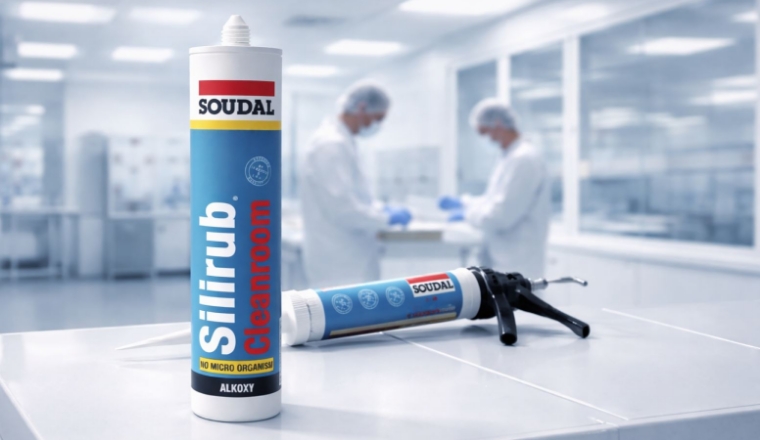
In sterile and hygienic environments an ordinary silicone sealant is not enough. The wrong sealant harbours bacteria, reacts to chemical cleaning agents or affects the indoor air. Silirub Cleanroom is specially developed for cleanrooms, laboratories, hospitals and commercial kitchens, but the substrate, the preparation and the accessories also make the difference between a joint that lasts weeks or years.
Which sealant for hygienic environments?
Complete range: Soudal joint sealants. Not sure which type you need? Also read choosing the right joint sealant.
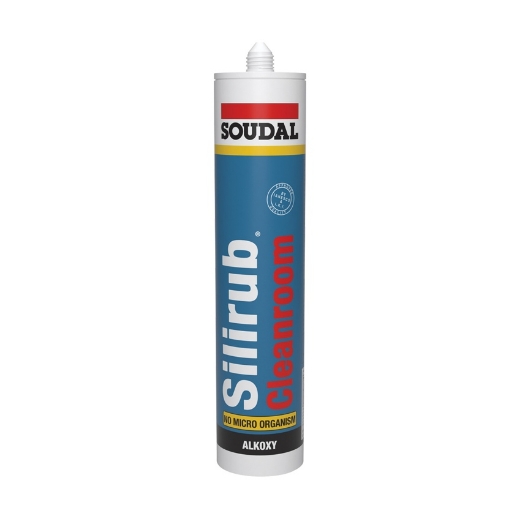
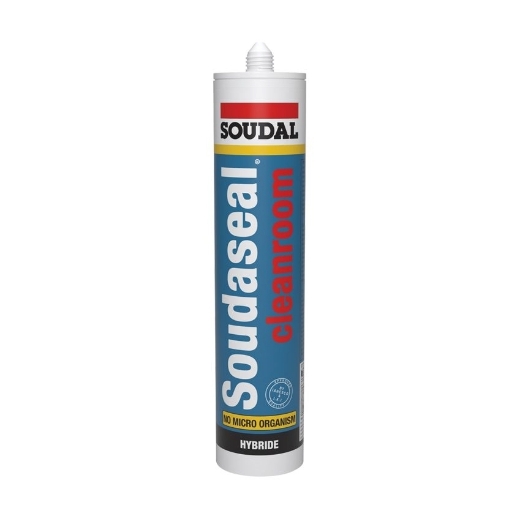
Cleanroom, lab & food industry, Silirub Cleanroom
Soudal Silirub Cleanroom, neutral alkoxy silicone for sterile and controlled environments. Approved for food contact (IANESCO), suitable for disinfection according to the DGHM standard, certified as a barrier against micro-organisms (IKI). Resistant to aggressive cleaning agents and disinfectants.
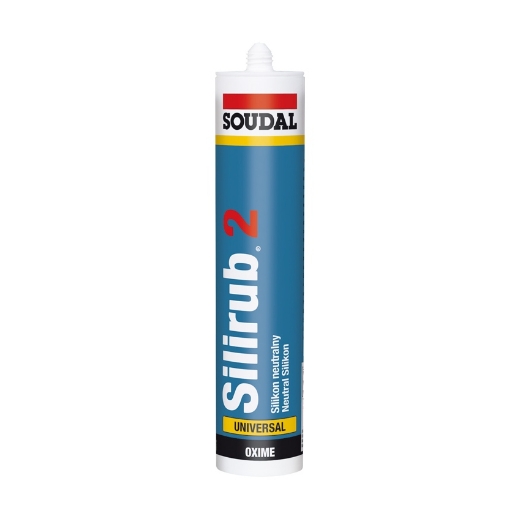
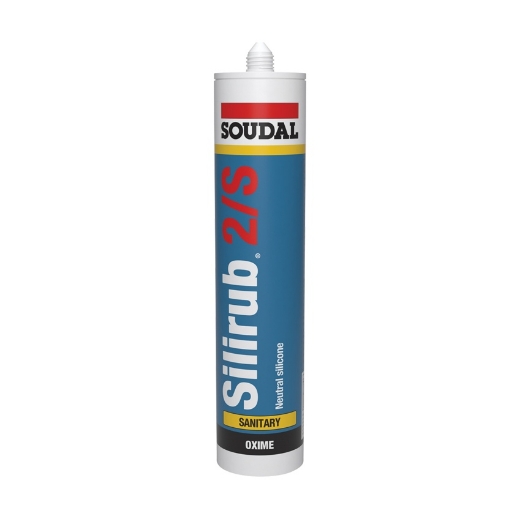
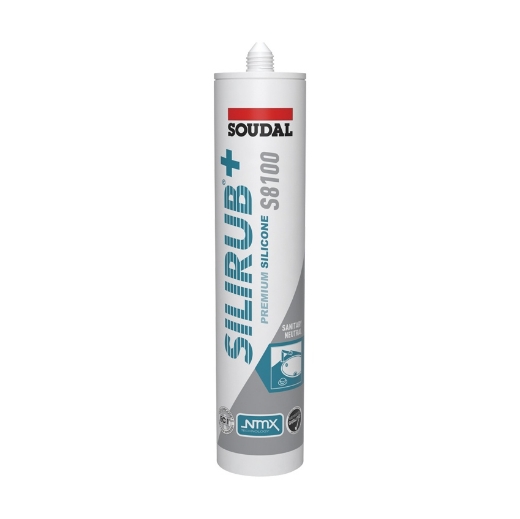
Bathroom & shower without sterile standard, Silirub 2S or Silirub+ S8100
Soudal Silirub 2, standard sanitary silicone sealant for showers, bathrooms and wet rooms. Mould-resistant, watertight and permanently elastic. No cleanroom certification needed? Then Silirub 2 is sufficient for most wet zones at a lower cost. Available in several colours.
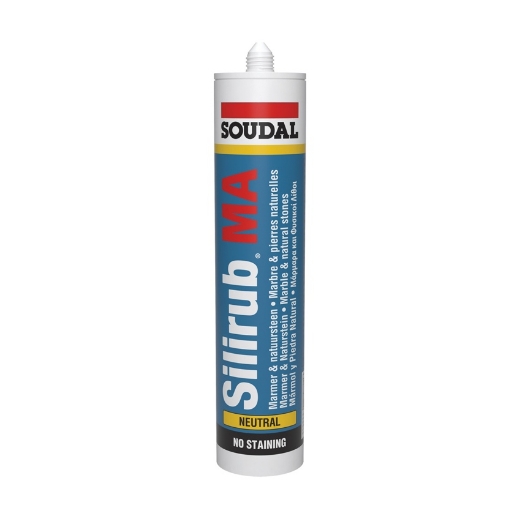
Natural stone in lab or kitchen, plasticiser-free Silirub MA
Soudal Silirub MA, plasticiser-free silicone sealant for marble, granite and other absorbent natural stone. Ordinary silicones cause dark grease stains in stone. Silirub MA avoids this entirely and is also suitable for joints in worktops and work surfaces of food businesses.
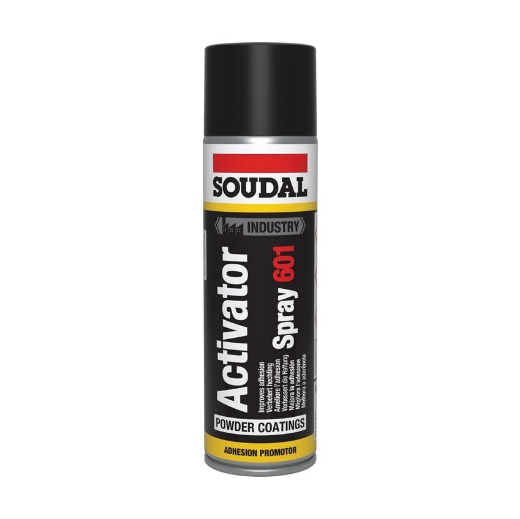
Stainless steel, aluminium & plastic, Surface Activator 601
Surface Activator Spray 601, adhesion promoter for powder-coated aluminium, stainless steel and plastics. In cleanrooms and labs these materials are often used. Without an activator, silicone adheres insufficiently to smooth metal surfaces, and that means joint edges coming loose at the worst possible moments.
Sealing correctly in hygienic environments: what should you watch out for?
In cleanrooms, laboratories and food-processing businesses, stricter requirements apply than in an average bathroom. Silirub Cleanroom meets the most common certifications, but a good joint stands or falls with the preparation, the application and the moment the space is brought back into use. Below are the critical points of attention per phase.
- Substrate preparation, the starting point of every durable joint: Completely remove all residues of old sealant, grease, dust and coatings. In hygienic environments the substrate has often already been treated with cleaning products, and that is precisely why grease residues that hinder adhesion may be present. Use Soudal Cleaner & Degreaser and let it evaporate completely before sealing. For stainless steel and aluminium, treatment with Surface Activator Spray 601 is strongly recommended to optimise adhesion.
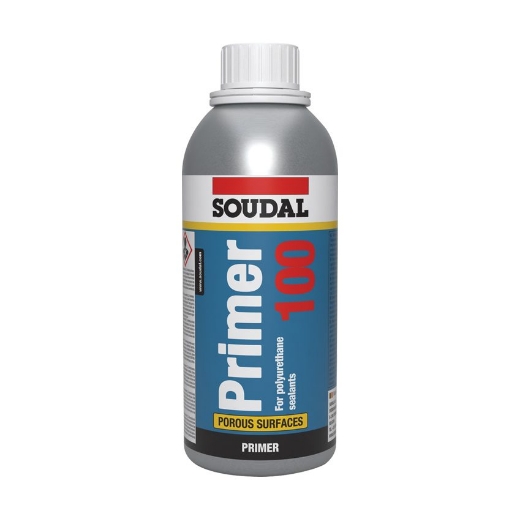
- Primer: when yes, when no? On non-porous substrates such as glass, glazed tiles and coated metal a primer is usually unnecessary, Silirub Cleanroom adheres here directly. On porous substrates (unglazed earthenware, concrete, certain plastics) use Soudal Primer 150. Let the primer dry completely before sealing, in a cleanroom environment with controlled ventilation this may take a little longer than normal.
- Joint geometry and backer rod: Wide joints (deeper than 10 mm) require a PU backer rod profile to avoid three-sided adhesion. Three-sided adhesion, where the sealant sticks to both side walls and the bottom, limits freedom of movement and causes the joint to crack open sooner. More on the correct joint build-up: difference in joint fillings.
- Apply in one movement, without air bubbles: Apply the sealant in one smooth movement with constant pressure on the sealant gun. Air bubbles or interruptions in the sealant line create cavities that hold moisture and bacteria, exactly what you want to avoid in a hygienic space. Cut the nozzle diagonally to the joint width and work systematically from corner to corner.
- Finishing: smoothing agent, not water: Always use Soudal smoothing agent to smooth the silicone, never water. Water disrupts the alkoxy curing of Silirub Cleanroom and gives a cloudy, rough surface that is harder to clean. Use a SoudaGlatt smoothing tool for a tight, smooth finish that meets the hygiene standards. A smooth joint is not only more aesthetic, it is also considerably easier to keep clean and offers fewer attachment points for micro-organisms.
- Curing and putting into use, wait long enough: Silirub Cleanroom forms a surface film after 30–60 minutes, but full curing takes 24 to 48 hours depending on joint depth, temperature and humidity. In controlled cleanroom environments with low humidity this can take longer. Do not use the space intensively and do not clean the joint before full curing, aggressive disinfectants on an uncured joint can damage the surface structure.
- Comparison with ordinary sanitary sealant, when is Silirub Cleanroom really needed? Silirub Cleanroom is not a luxury product, but a technical necessity when working with strictly defined hygiene protocols, food contact or microbiological controls. In an ordinary bathroom, Silirub 2S is entirely sufficient, it is mould-resistant and watertight without the additional cleanroom certifications that justify a higher price. The choice depends on the standard, not on preference.
Frequently asked questions about cleanroom joint sealants
What makes Silirub Cleanroom different from an ordinary silicone sealant?
Silirub Cleanroom is a neutral alkoxy silicone with three specific certifications that standard sealants do not have: approval for contact with foodstuffs (IANESCO report), suitability for disinfection in accordance with the DGHM standard (Deutsche Gesellschaft für Hygiene und Mikrobiologie) and certification as a barrier against micro-organisms (IKI report). Ordinary silicone sealant is watertight and elastic, but carries none of these approvals, and may breach the quality requirements in controlled environments.
Is Silirub Cleanroom suitable for food businesses and commercial kitchens?
Yes. The IANESCO approval confirms suitability for indirect food contact. This makes Silirub Cleanroom the recommended sealant for worktops, cold rooms, washing areas and other sanitary fittings in the food industry. Always check the product data sheet for the exact contact type and the applicable conditions within your HACCP plan.
Which primer do I use on stainless steel or aluminium in a cleanroom?
On powder-coated aluminium and stainless steel you use Surface Activator Spray 601 as an adhesion promoter. On porous substrates (concrete, unglazed ceramics) choose Primer 150. On glazed tiles and glass a primer is unnecessary in most cases. Always let the primer evaporate completely before applying the sealant.
Can I also use Silirub Cleanroom in an ordinary bathroom?
Technically it is possible, Silirub Cleanroom is watertight and elastic like any quality silicone sealant. But for an ordinary bathroom or shower without sterile standards, Silirub 2S is the more economical choice. It has the same basic properties (mould-resistant, watertight, elastic) without the additional cost of the cleanroom certifications. Choose Silirub Cleanroom only when the environment requires it.
When may I clean or disinfect the space again after sealing?
Wait until the sealant has fully cured, at least 24 hours, and at lower temperatures or greater joint depths preferably 48 hours. A surface film forms after as little as 30–60 minutes, but intensive cleaning or disinfection with aggressive agents on an uncured joint damages the surface structure. In cleanrooms with controlled, low humidity the alkoxy curing usually proceeds more slowly than in a humid space.
Which sealant do I use for marble or granite in a hygienic environment?
Never use standard silicone on absorbent natural stone, the plasticisers in ordinary silicone sealant migrate into the stone and cause dark stains that are practically irreversible. The right choice is Silirub MA or another plasticiser-free sealant. More background: sealing on natural stone.
May I use water to smooth Silirub Cleanroom?
No. Silirub Cleanroom is an alkoxy silicone: contact with water before the surface film has formed disrupts the curing process and gives a cloudy, rough surface. Always use Soudal smoothing agent and smooth with a SoudaGlatt smoothing tool. A smooth, pore-free joint finish is also functionally essential in hygienic environments.
Posted by the Soudal sealant expert at DHZ-Proshop, specialist in fasteners, adhesives & silicones. Webshop available 24/7 & collection point in Beerse (province of Antwerp). Questions about cleanroom joint sealants? Contact our team →