Putty or Silirub Tradition: which glazing sealant suits your windows? Wooden frames, steel orangery windows, listed buildings, each calls for a different approach. Traditional putty cracks after a few years and requires annual maintenance. Silirub Tradition mimics the matt look of putty but stays permanently elastic. The difference is not only in appearance, but in service life, maintenance and suitability per frame type. Below you choose the right product for each situation.
Which sealant for glazing and putty work?
Full range: Soudal jointing sealants.
Wooden frame renovation, Silirub Tradition white or beige
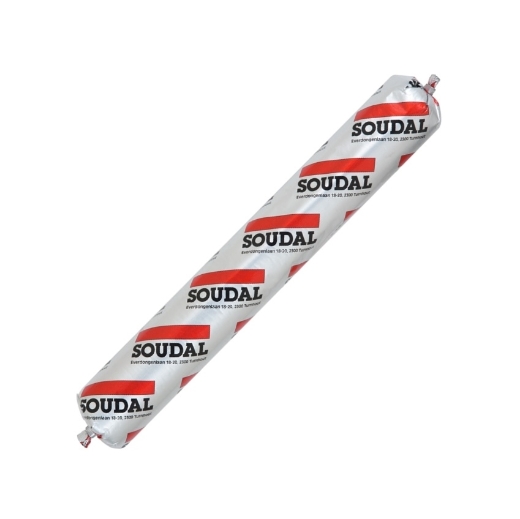
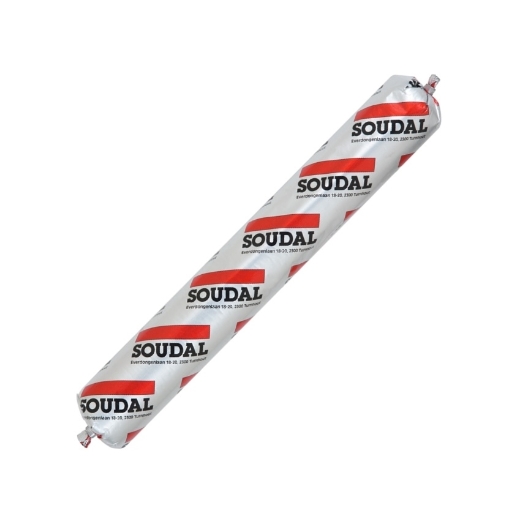
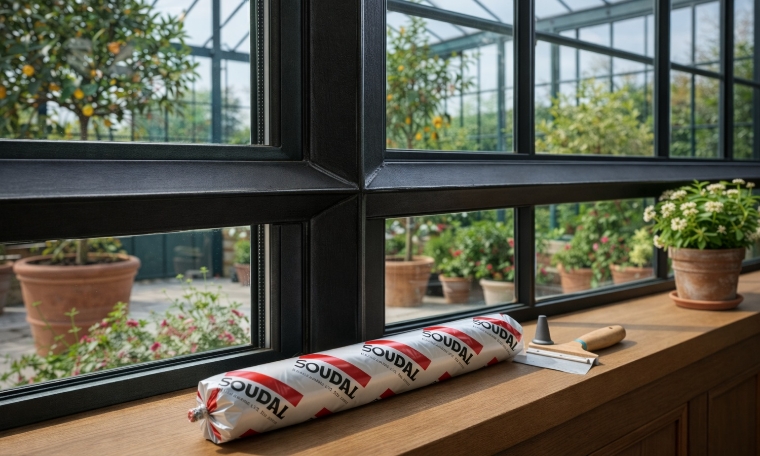
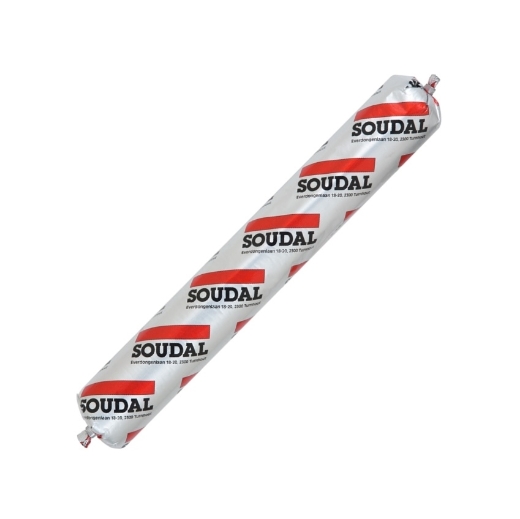
Silirub Tradition, a silicone-based putty replacement. Same matt appearance as putty, but permanently elastic: no cracking with timber movement. No overpainting required. Available in white RAL 9010, beige, bronze and black for classic wooden windows.
Heritage conservation & listed buildings, classic putty
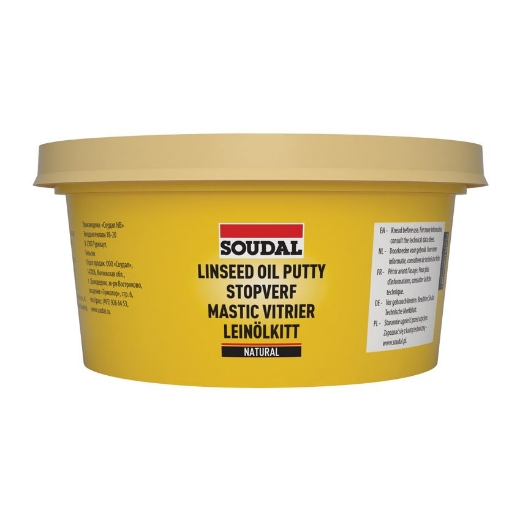
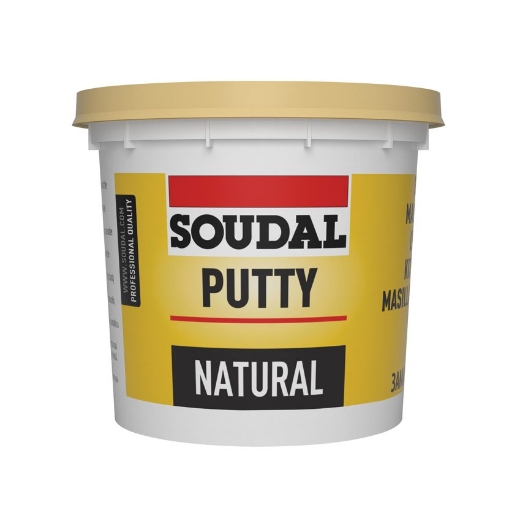
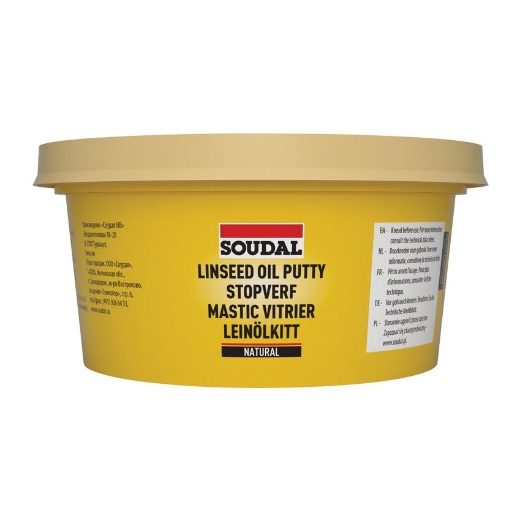
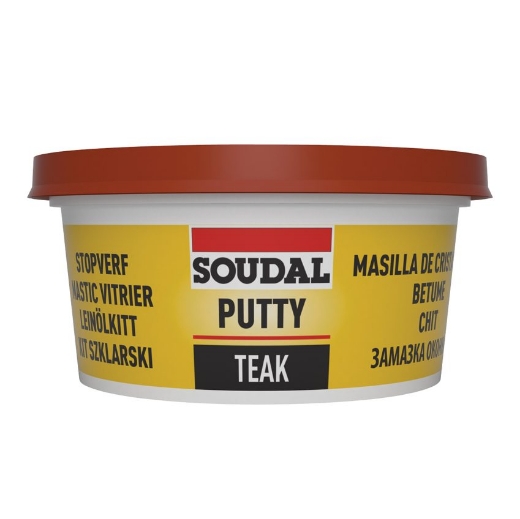
Soudal Universal Putty, an authentic paste based on synthetic resin and linseed oil. Overpaintable. The only correct choice where strict heritage requirements demand original materials. Available in natural and teak.
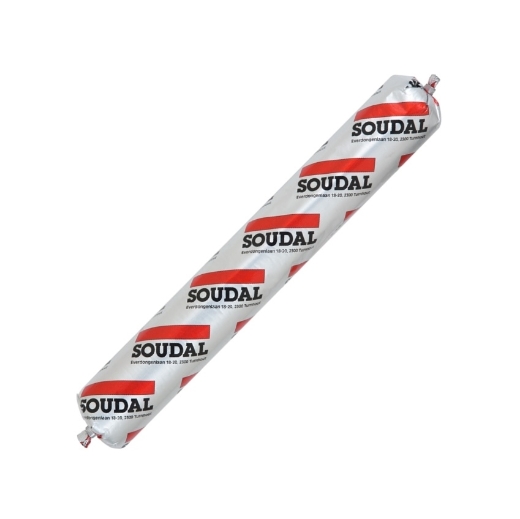
Steel & aluminium windows, Silirub Tradition bronze or black
Silirub Tradition bronze/black, for orangery windows, pivot doors and steel astragal windows. Adheres to steel and aluminium without corrosion. Bronze and black match dark profiles without overpainting.
Overpaintable glazing & non-standard colours, hybrid glazing sealant
Hybrid glazing sealant (MS polymer), when the sealant has to be painted in a project colour or special RAL colour. Overpaintable with water-based paints. Silirub Tradition is not overpaintable.
Step-by-step, sealing glazing correctly with Silirub Tradition
Tooling off Silirub Tradition in the right way, the classic angled putty bead, is a technique that takes some practice but gives a professional result. Follow these steps.
- Remove old putty completely: Remove all loose or cracked putty with a wide-blade scraper or narrow chisel knife. For stubborn old putty a hot air gun can help to soften it, keep the temperature low and the distance large to avoid breaking the glass. Make sure the rebate is completely bare and free of old residue.
- Clean and prime the rebate: Degrease the rebate with Soudal Cleaner & Degreaser. Prime bare, untreated wood first: an unprimed wooden rebate draws the binder out of the sealant and causes long-term adhesion problems. Use a wood primer or Primer 150 on porous or highly absorbent timber. Let the primer dry fully before applying the sealant.
- Apply the sealant along the rebate: Cut the nozzle of the sausage at an angle to the width of the rebate. Apply the sealant in one continuous movement along the entire glass edge. Ensure enough material, a sealant layer that is too thin develops a hollow profile over time that can hold water.
- Tooling off to the classic putty bead, the technique: Dip the tooling spreader or a glazing knife in Soudal tooling agent. Draw off the sealant in one smooth movement at a 45° angle, from frame to glass, with light but constant pressure. This creates the classic angled putty bead that drains water automatically. Do not make a hollow joint (as with bathroom sealing), an angled bead is essential for correct water run-off in rain.
- Finish the corners neatly: In the corners of the frame, let the sealant slightly overflow and, once cured, trim away the excess material neatly with a sharp utility knife. Do not try to tool the corners while wet, this almost always gives a sloppy transition.
- Birds and Silirub Tradition: Traditional putty based on linseed oil attracts great tits that literally peck the putty out because they recognise the oil as food. Silirub Tradition contains no linseed oil and is left completely alone by birds, a practical advantage that makes the difference at older homes in wooded areas.
- Curing and first painting with putty: Silirub Tradition is a silicone sealant that forms a skin after about 5 to 10 minutes and then cures further at roughly 2 mm per 24 hours (full curing depends on the joint thickness). Do not overpaint, silicone does not accept paint. With classic putty the opposite applies: wait at least 2–4 weeks for a firm skin to form, then paint with a moisture-permeable paint. Painting too early seals the putty hermetically so it cannot cure underneath and starts to wrinkle.
Frequently asked questions about putty and Silirub Tradition
What is the difference between Silirub Tradition and ordinary silicone sealant?
Can I overpaint Silirub Tradition?
When is traditional putty still the right choice?
How long does Silirub Tradition last versus classic putty?
Can I use Silirub Tradition with double glazing or HR++ glazing?
Why do birds peck my putty apart?
Do I need to prime bare wood for Silirub Tradition?
Posted by the Soudal sealant expert at DHZ-Proshop, specialist in fixing materials, adhesives & silicones. Webshop available 24/7 & collection point in Beerse (province of Antwerp). Questions about the right sealant for your frames or glazing? Contact our team.