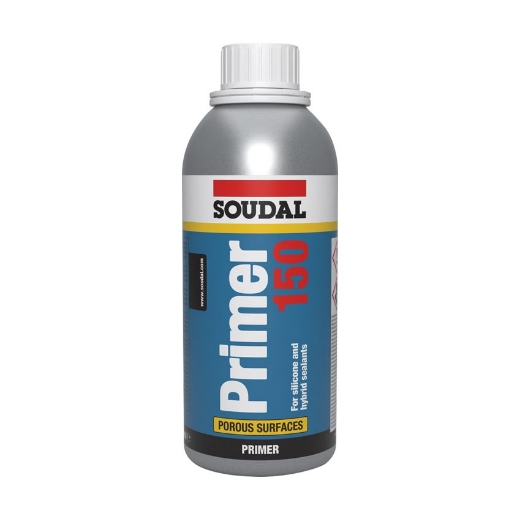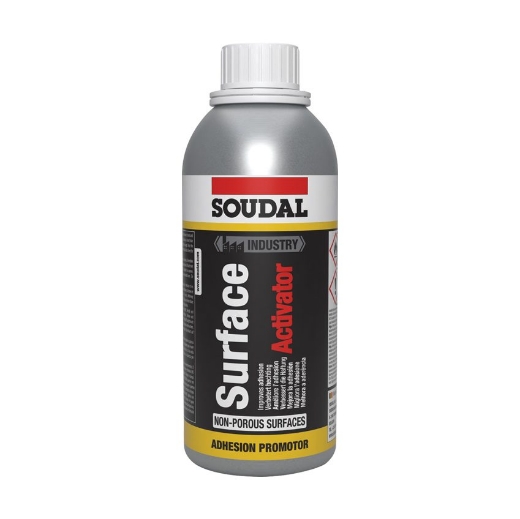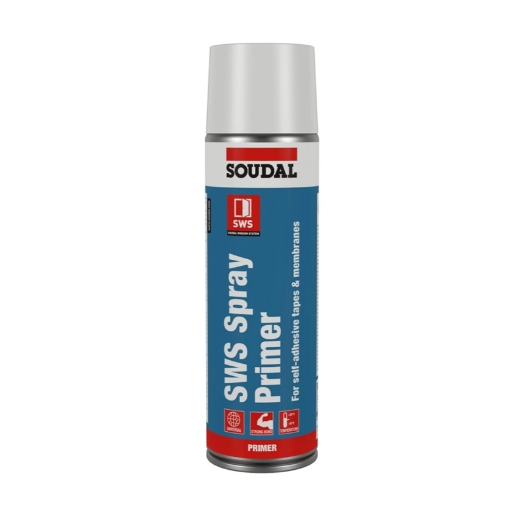
It comes down to one question: does your substrate absorb water or not. On a porous substrate such as concrete, brick, plaster or wood you use Primer 150, then wait at least 1 hour and no more than 4 hours before applying the sealant. On a non-porous substrate such as plastic, metal, glass or a coated layer you use Surface Activator, applied with a lint-free cloth and left to flash off for 5 minutes. For self-adhesive tapes and membranes, the preparation is SWS Spray Primer. Sealant that lets go after a few months is rarely bad sealant: it is almost always a substrate that was never prepared.
Which primer suits your substrate? See the full range in our category cleaners, sprays and primers.
- Porous (concrete, stone, plaster, wood, water saturated) calls for Primer 150.
- Non-porous (plastic, metal, glass, coating) calls for Surface Activator, which cleans and degreases at the same time.
- Primer 150 dries in about 60 minutes at 23 degrees and 50 per cent relative humidity.
- The application window for Primer 150 is 1 to 4 hours. Past that, apply a fresh coat.
- Surface Activator needs 5 minutes of flash-off time before the sealant goes on.
- Self-adhesive tapes and membranes on building substrates call for SWS Spray Primer.
Overview: which primer for which substrate
| Product | Substrate | Waiting time | Works with |
|---|---|---|---|
| Primer 150, 500 ml tin | Porous and water saturated | 1 to 4 hours | Silicone and MS polymer |
| Surface Activator, 500 ml tin | Non-porous: plastic, metal, coating, glass | 5 minutes flash-off | PU, silicone and hybrid MS |
| SWS Spray Primer, 500 ml aerosol | Building substrates under self-adhesive tapes | As stated on the pack | Self-adhesive Soudal tapes and membranes |
Surface Activator does two jobs at once: it cleans and degreases, and it chemically activates the surface. On a lacquered or powder-coated substrate it therefore replaces both your degreaser and your primer.
Porous or not? Do the drop test
Put a drop of water on the substrate and wait one minute. If the drop soaks in and leaves a darker patch, the substrate is porous and you choose Primer 150. If the drop stays beaded, the substrate is non-porous and you choose Surface Activator. Borderline cases such as glazed tiles behave as non-porous, even though the body underneath is porous.
The test takes a minute and settles most arguments on site. A freshly polished concrete floor can behave like a closed surface at the top. An old facing brick that has taken rain for years is the opposite: saturated with water, which is exactly what Primer 150 is made for.
The waiting times people get wrong
Primer 150 dries in about 60 minutes at 23 degrees and 50 per cent relative humidity. You then have a window of 1 to 4 hours to apply the sealant. If you wait longer than 4 hours, apply a fresh coat of primer. Surface Activator works differently: wipe it on with a lint-free cloth and let it flash off for 5 minutes.
Here in Beerse we see that mistake most often on jobs that run over two days. Everything is neatly primed on day one and the sealant goes on during day two. By then the window is long gone and the sealant bonds to a primer layer that is no longer active. So prime only on the day you actually seal.
When you do not need a primer
Not every job calls for a primer. On a clean, dry and grease-free substrate that is neither strongly porous nor smoothly lacquered, modern MS polymer sealants bond directly. A primer is needed on porous substrates, on wet or saturated substrates, on plastics and coatings, and on any joint that will sit under water or under movement.
If you are unsure about a combination you do not know, lay a test bead of sealant a hand wide in a hidden spot. Let it cure fully, then pull it off. If it comes away clean, you need a primer.
Nine out of ten sealant joints that reach us as a complaint are not a sealant problem but an adhesion problem. Anyone who spends a minute on the drop test on concrete or plaster, then seals inside the four hour window, simply does not have that complaint.DHZ-Proshop trade team, Beerse
Common mistakes
- Priming today and sealing tomorrow. The Primer 150 window is 1 to 4 hours.
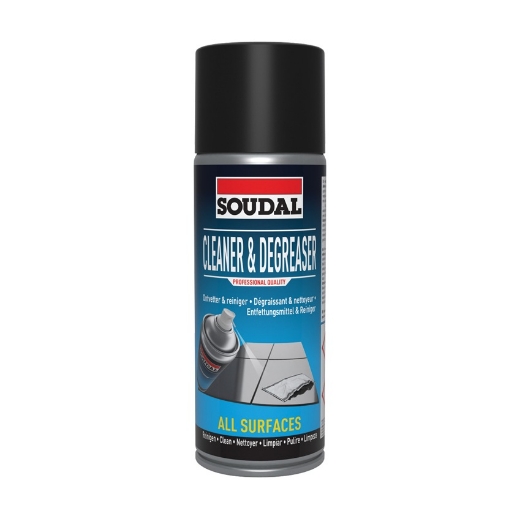
- Not removing the old joint completely. Primer does not bond to sealant residue. Strip it mechanically first, then clean with a cleaner and degreaser.
- Using Surface Activator as a cleaner and then wiping it again. That wipes the activated layer away.
- Priming a wet substrate that still has to dry out. The moisture has to escape before the joint is closed.
- Priming the two flanks and forgetting the backer rod. A joint should bond on two flanks, not three.
Frequently asked questions
Can I use Primer 150 on plastic?
Primer 150 is meant for porous and water saturated substrates. For plastics, metals and coatings use Surface Activator, which chemically activates the surface while cleaning and degreasing it.
How long can primer stand before I seal?
With Primer 150 you apply the sealant between 1 and 4 hours after priming. If more than 4 hours have passed, apply a fresh coat. Surface Activator needs 5 minutes of flash-off time.
Does a primer replace cleaning the joint?
No. Primer does not bond to dust, grease or sealant residue. Strip the old joint mechanically first, then degrease. Surface Activator is the exception, because it cleans, degreases and activates in one pass.
Does primer work in freezing weather?
Priming and sealing are done on a dry substrate above freezing. On a frozen or misted substrate a film of water sits between primer and carrier, and nothing bonds.