Skip to content
Search
RSS

Blog

Sealing polycarbonate
Comments (0) Sealing polycarbonate
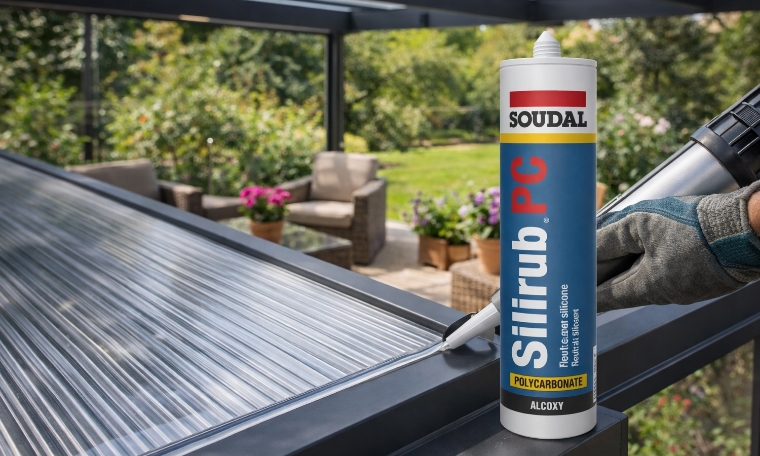
Polycarbonate sheets are widely used in skylights, verandas, cladding and industrial applications. Yet leaks, cracks or discolouration often occur due to the use of the wrong sealant. This material requires a specific silicone sealant that does not build up stress and does not attack the surface.
Making waterproof penetrations
Comments (0) Making waterproof penetrations
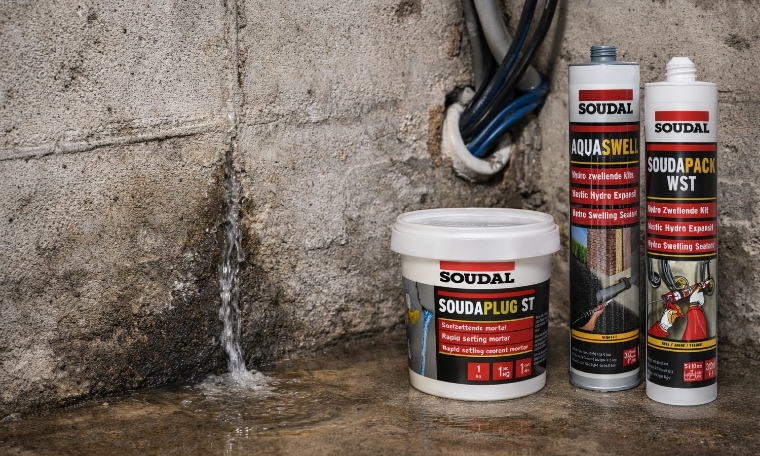
Penetrations for cables and pipes are one of the most common causes of water infiltration in cellars, foundations and concrete structures. With the right approach you can seal a penetration watertight and often gastight too, even when there is already active leakage. Below you'll see when to use Soudaplug ST, Aquaswell or Soudapack WST and how to build it up correctly.
Sealing skirting boards and parquet correctly
Comments (0) Sealing skirting boards and parquet correctly
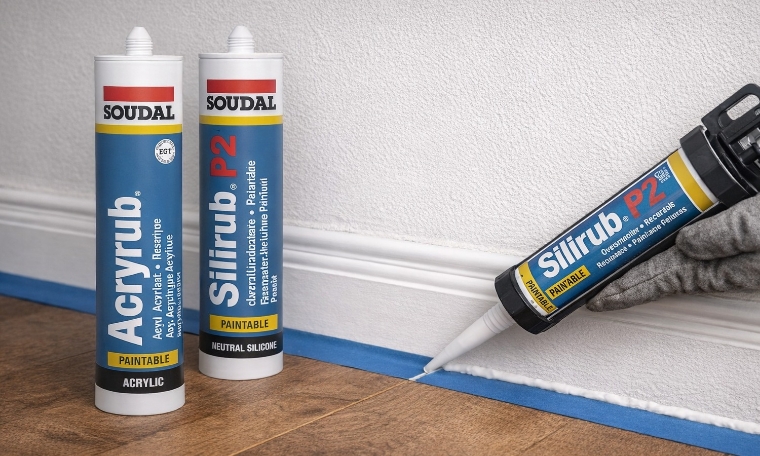
Skirting boards and parquet move constantly due to temperature and moisture variations. The wrong sealant choice quickly leads to cracks, lifting edges or discolouration. With the right joint sealant the finish stays neat and durable.
Fire-resistant joint sealants
Comments (0) Fire-resistant joint sealants
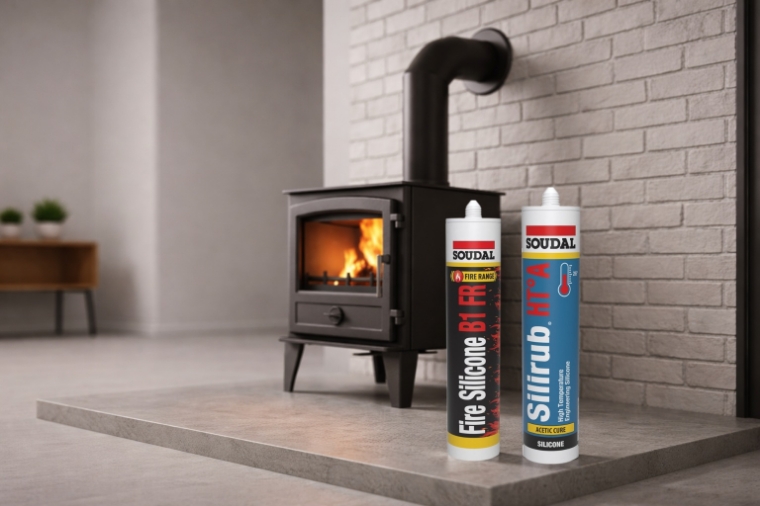
Not every heat-resistant sealant is also fire-resistant, and vice versa. In technical buildings, flues, penetrations and fire compartments it is crucial to use the right type of sealant. Here you can read the difference and when you need Firecryl, Fire Silicone, Calofer or Silirub HT.
AREI: what's changing for your home? (bathroom 2025 and direct current 2026)
Comments (0) AREI: what's changing for your home? (bathroom 2025 and direct current 2026)
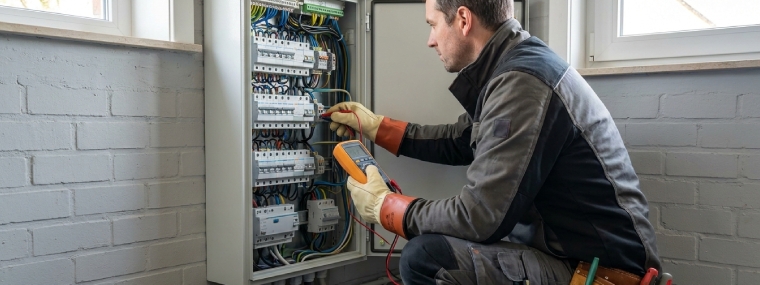
Practical guide to the BRR 2026 changes that come into force from 1 April. Learn what changes for inspections, bathroom zones, charging station installations and safety standards. With concrete tips, product advice and internal links to the DHZ-Proshop Electrical range.
Floor joints and expansion joints in concrete
Comments (0) Floor joints and expansion joints in concrete
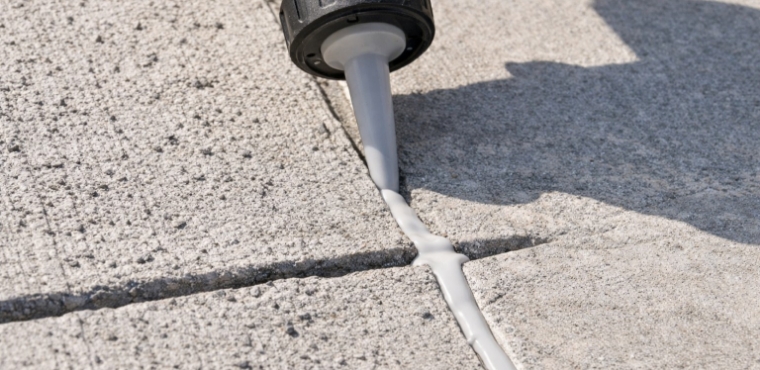
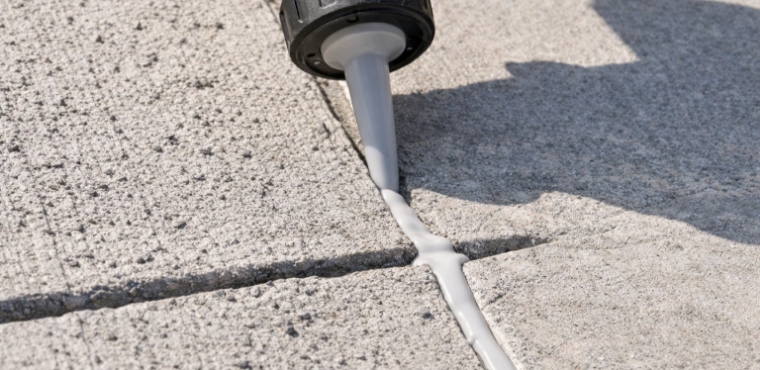
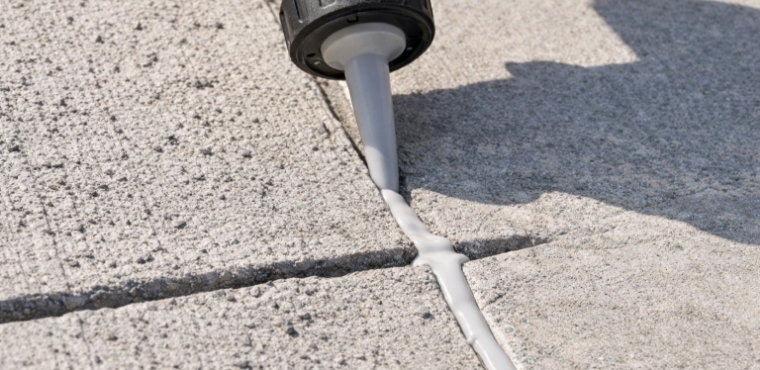
Floor joints in warehouses, car parks and industrial buildings take a real beating. They are loaded by traffic, temperature differences and structural movement. Soudaflex 20LM is a polyurethane joint sealant specially developed to safely absorb these forces.
Soudaflex 622 and JGS
Comments (0) Soudaflex 622 and JGS
Industrial and structural building joints face far higher demands than ordinary seals. Movement, loading, weather influences and material stresses call for sealants with very high mechanical and chemical resistance. Soudaflex 622 and Soudaflex JGS were developed for exactly this.
PU Joint Sealants
Comments (0) PU Joint Sealants
In facades, prefab, concrete structures and industrial construction joints, not every sealant is equal. Within PU joint sealants there is an important difference between low modulus and high modulus. This determines how much movement a joint can absorb and how heavily it can be loaded. Here you'll read when to choose which.
Silirub Color
Comments (0) Silirub Color
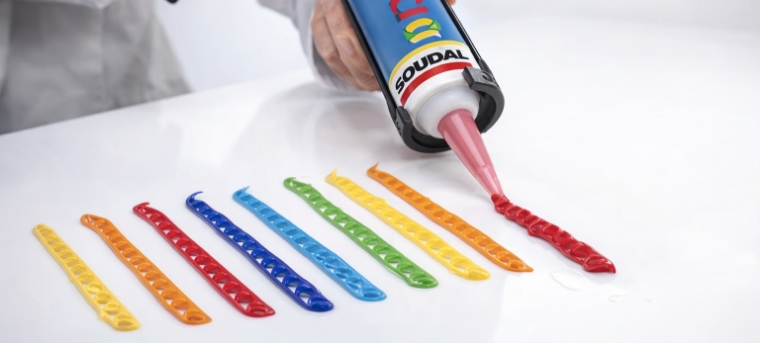
Silirub Color is developed for sealing work where the colour really has to match: connection joints around windows and doors, glazing, façade details and finishes on RAL-coloured profiles. It is a neutral, low-modulus silicone with broad use in construction and glazing applications, with a focus on exact colour matching according to the RAL system.
Difference in joint backing rods
Comments (0) Difference in joint backing rods
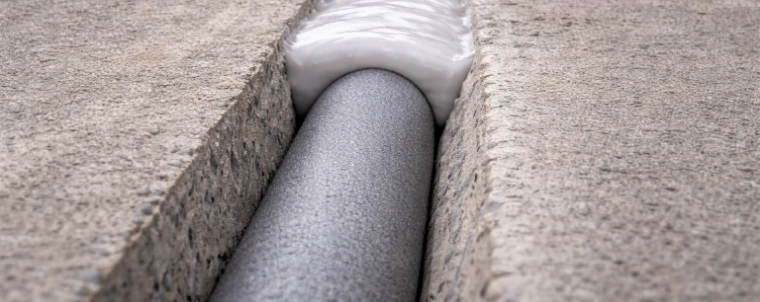
Joint backing (backing rod) may at first glance look like “just a round foam profile”, but in practice the material makes a big difference. In building joints you often see PU backing rod, whereas for floor joints and expansion joints in screed or concrete PE backing rod is usually used. Below I explain why, how to choose the right type and what the effect is on durability, consumption and cracking.
This site is protected by reCAPTCHA. The Google Privacy Policy and Terms of Service apply.