Skip to content
Search
RSS

Blog

Soudaseal 215 LM+ & Soudaseal 222 LM
Comments (0) Soudaseal 215 LM+ & Soudaseal 222 LM
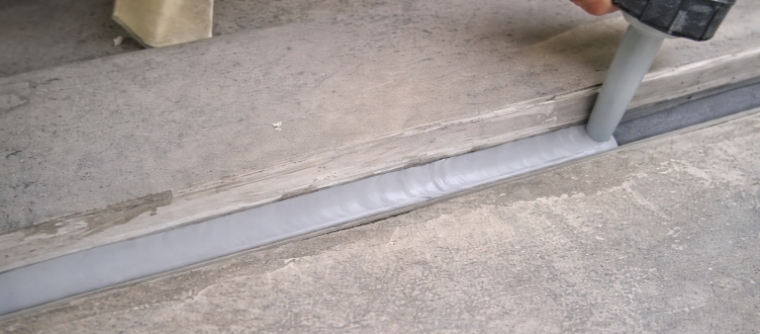
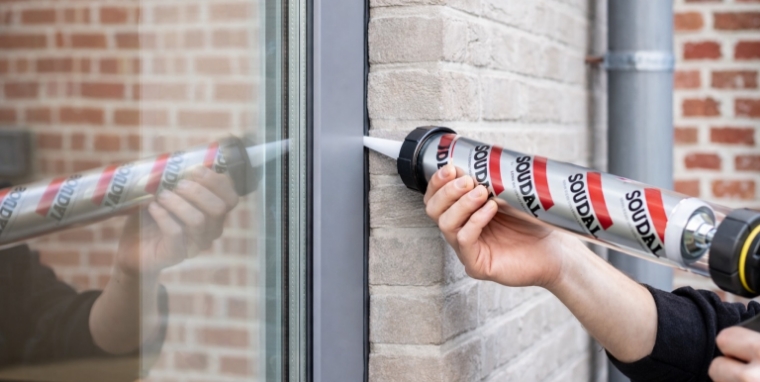
For construction and industrial joints you mainly want three things: reliable adhesion (also on difficult substrates), a joint that can absorb movement, and processing that stays smooth in changing conditions. Soudal Soudaseal 215LM+ and Soudaseal 222LM are two widely used hybrid joint sealants (SMX/MS polymer) often seen in 600ml sausages with professional applicators. In this article I explain when to choose which sealant, how to build up the joint correctly with PU backer rod, and what to watch out for most often in practice.
How to maintain sealant joints
Comments (0) How to maintain sealant joints
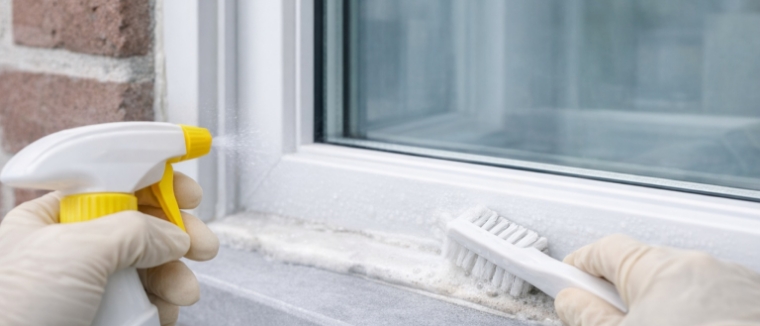
Sealant joints stay looking good longer if they can dry and dirt cannot settle. With a few simple habits you prevent mould, discolouration and lifting edges. Below you'll read what works and what is best avoided.
Which colour of sealant should you choose?
Comments (0) Which colour of sealant should you choose?
The colour of sealant determines not only the look of your finish, but also how quickly dirt, limescale and mould become visible. Below you will learn how to choose a colour that suits your joints, your materials and the maintenance you are willing to do.
Why does sealant come loose?
Comments (0) Why does sealant come loose?
When sealant comes loose at the edges, something is almost always wrong with preparation, product choice or joint build-up. Below you will find the most common causes and what you can do to make a new joint bond durably.
Sealant for windows and doors
Comments (0) Sealant for windows and doors
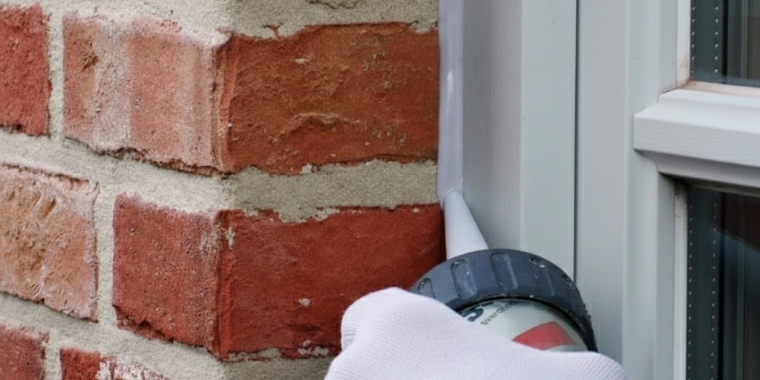
Small gaps often form around windows and doors, causing draughts, moisture or heat loss. The right sealant and a correct joint build-up ensure a durable seal without cracks or detaching edges.
The correct joint width
Comments (0) The correct joint width
A sealant joint that is too narrow, too deep or wrongly filled cracks or comes loose faster. With a correct joint shape the sealant works as intended: elastic, watertight and durable. Below you will read how to determine the correct joint width and depth, and when backer rod is needed.
Removing old sealant
Comments (0) Removing old sealant
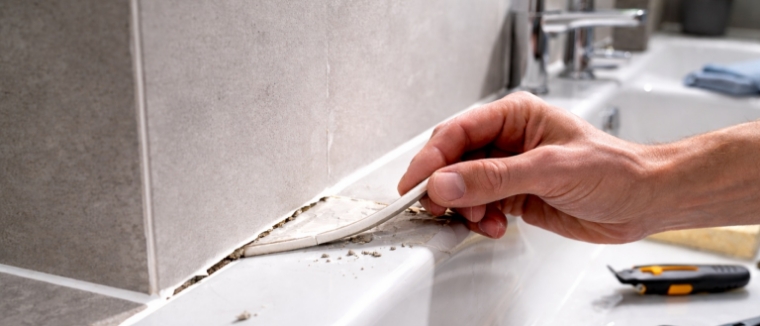
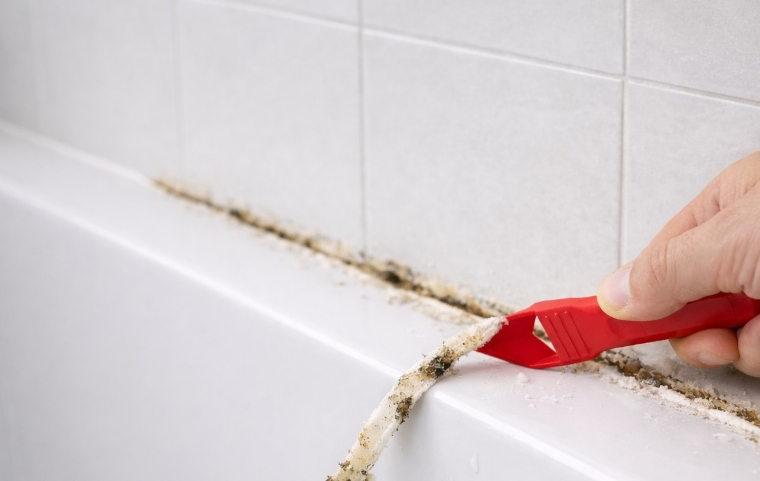
Old sealant beads can come loose, discolour or absorb mould. In many cases "touching up" is not enough and the sealant must be removed completely. With the right approach you get a neat, watertight joint that lasts again.
How long does sealant need to dry before use?
Comments (0) How long does sealant need to dry before use?
The drying time of sealant determines when you can load, wet or paint over a joint. This varies considerably by sealant type and application. Below you'll learn how to judge when a sealant is truly ready for use.
Preventing mould in sealant joints
Comments (0) Preventing mould in sealant joints
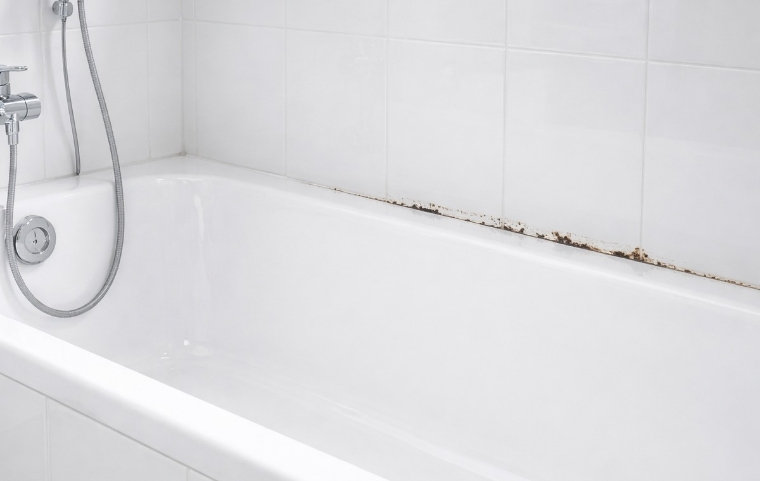
Mould growth in sealant joints occurs mainly in bathrooms, showers and kitchens where moisture, heat and soap residue come together. With the right sealant choice, preparation and maintenance you can largely prevent this problem.
Sealant on natural stone
Comments (0) Sealant on natural stone
Natural stone, marble and composite require a different approach than ceramic or plastic. These materials are prone to discolouration and edge-zone staining, so the wrong sealant choice can cause permanent damage. Below you will read what to look out for and which type of joint sealant is suitable.
This site is protected by reCAPTCHA. The Google Privacy Policy and Terms of Service apply.