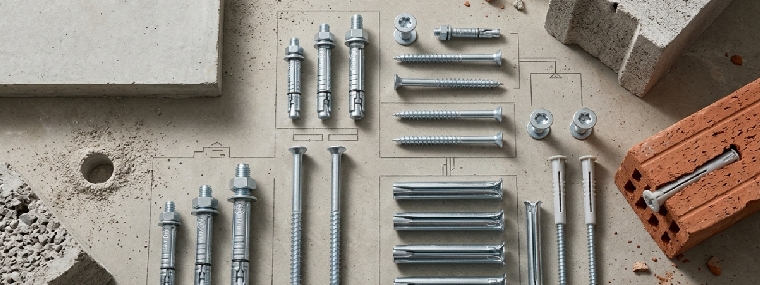
A practical decision guide for steel anchors. Wedge anchors give the strongest mechanical fixing in solid concrete, frame screws with frame plugs are ideal for frames and profiles in masonry, expansion sleeves are a light indoor fixing, and for old, hollow or crumbling walls a chemical anchor is often the safest choice. With concrete versus brick, edge distance, hole quality, load type and common mistakes.
RSS
Blog
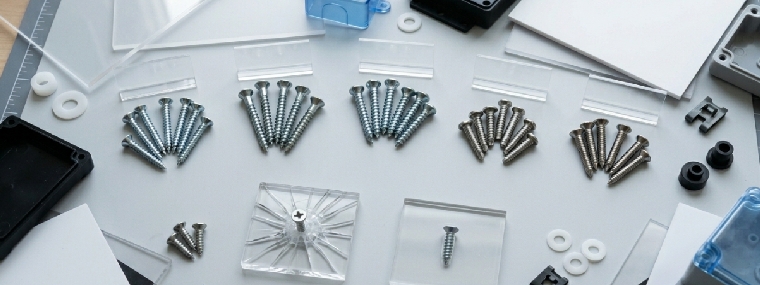
A practical explanation of why regular wood and metal screws crack plastic and which screws won't. Plastic spreads stress differently than wood, reacts to temperature and ages over time. Plasfast screws with a blunt tip and a 30° thread reduce radial stress and increase pull-out force. With the right pilot hole (around 0.8 × the screw diameter), head shape, torque control, washers, reusing existing holes and the choice between zinc-plated and stainless.
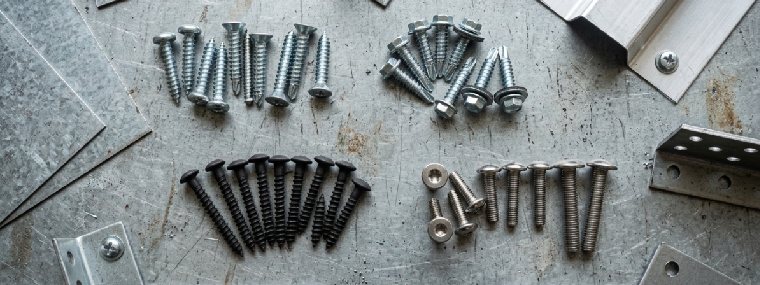
A practical decision guide for metal fastening. Fine-threaded sheet metal screws tap their thread in a predrilled hole and are the precision choice; self-drilling screws drill and tap in one motion and are the speed choice. Includes the difference between self-tapping and self-drilling, the right pilot hole size, sheet thickness and drilling capacity, RPM and pressure, zinc-plated versus stainless, common mistakes and a fast decision rule.
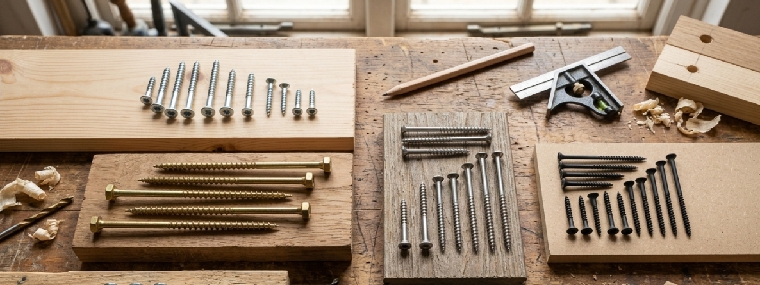
A practical match guide that points to the right screw per wood type. Chipboard screws for softwood and interior work, MDF screws for sheet material, construction and washer-head screws for heavy timber joints, and stainless decking screws for decking and outdoor wood. Includes partial versus full thread, Torx versus cross-head, zinc versus stainless, screw length, predrilling and common mistakes.
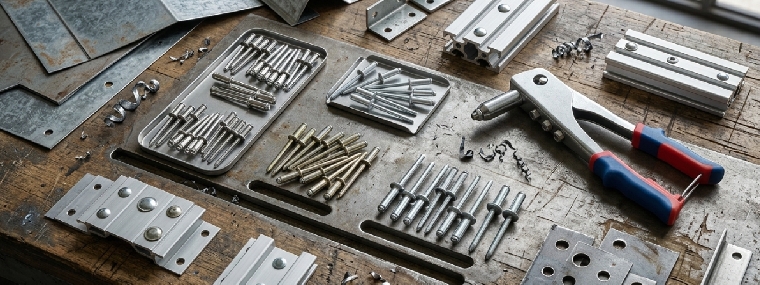
A practical guide that explains which blind rivet best resists rust outdoors. 316 stainless is the strongest choice for coastal and aggressive environments, A2/304 stainless is the standard for general outdoor work, and aluminium or coated steel are options for lighter or less demanding jobs. Includes open versus closed-end rivets, galvanic corrosion, the role of the mandrel, grip range and a fast decision logic for the Belgian climate.
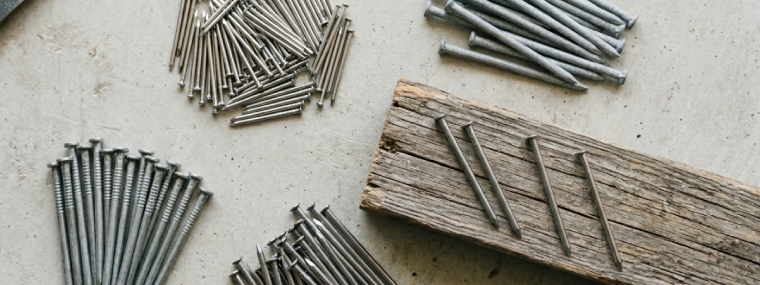
A practical guide that explains which nail best resists rust outdoors. 316 stainless is the strongest choice for coastal and aggressive environments, A2/304 stainless is the standard for general outdoor work, and hot-dip galvanized nails are the budget option for lighter jobs. Includes the difference between hot-dip and electroplated zinc, rust staining in wood, nail shapes and a fast decision logic for the Belgian climate.
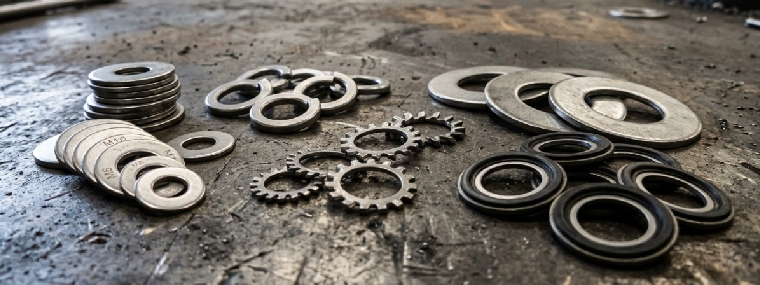
A practical buying guide that explains which washer type solves which problem. For rust you choose stainless (A2 or A4), for vibration spring or serrated washers, and for leaks a neoprene sealing washer. Flat and fender washers spread load. Includes material advice for the Belgian climate, common mistakes and a fast decision logic.
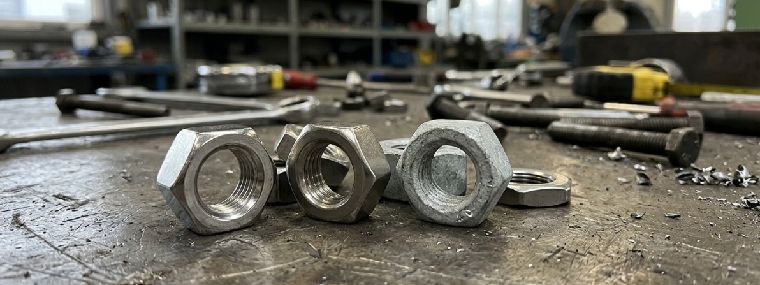
Comprehensive guide on choosing the right nut for outdoor projects to prevent rust and seizure. Learn everything about stainless steel A2, A4, hot-dip galvanizing, the influence of mixed metals, and how to make the perfect match with your bolt.
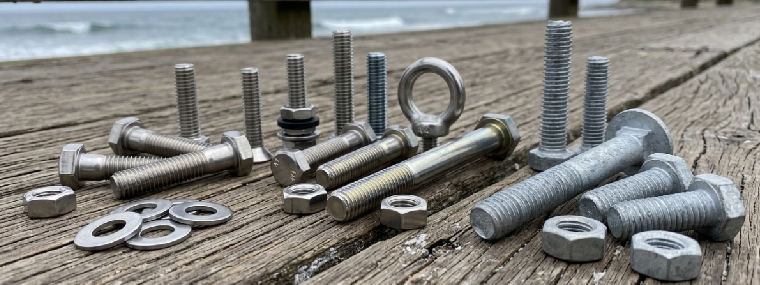
Comprehensive guide on choosing the right bolt for outdoor projects to prevent rust and corrosion. Learn everything about stainless steel A2, A4, hot dip galvanizing, the influence of wood species, and how to effectively prevent galvanic corrosion.
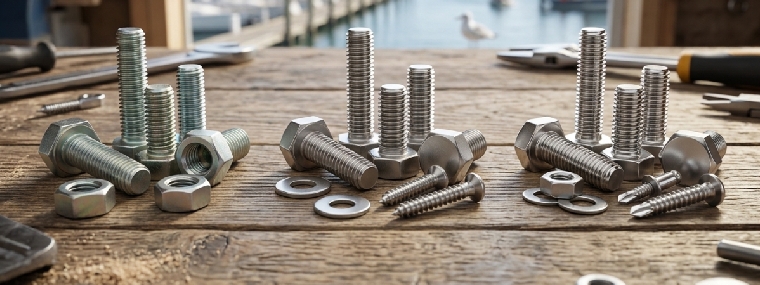
Practical guide on choosing the right bolt for indoor and outdoor projects to prevent rust issues. Learn the difference between galvanized steel, A2 stainless, and A4 stainless, and how to select the right fastener based on environment, material, and load.
Search
Blog archive